
Will exosomes turn black after use? Korean doctors revealed the truth about these 5 side effects—some of which I didn’t expect at all.

Exosomes have become a sensation in Korean dermatology over the past few years, and several of my friends have already gone to Seoul to undergo this treatment. To be honest, I was both curious and skeptical about it at first—everyone talked highly of the results, but almost no one mentioned the potential side effects.
Questions like “Will my skin get darker after the treatment?” “Is there a recovery period?” “Can I do this if my skin is sensitive?” took me a long time to find reliable answers to. Eventually, through the consultation services provided by BeautsGO, I had a one-hour face-to-face conversation with a doctor at a dermatology clinic in Gangnam District, Seoul, and all my doubts were resolved.
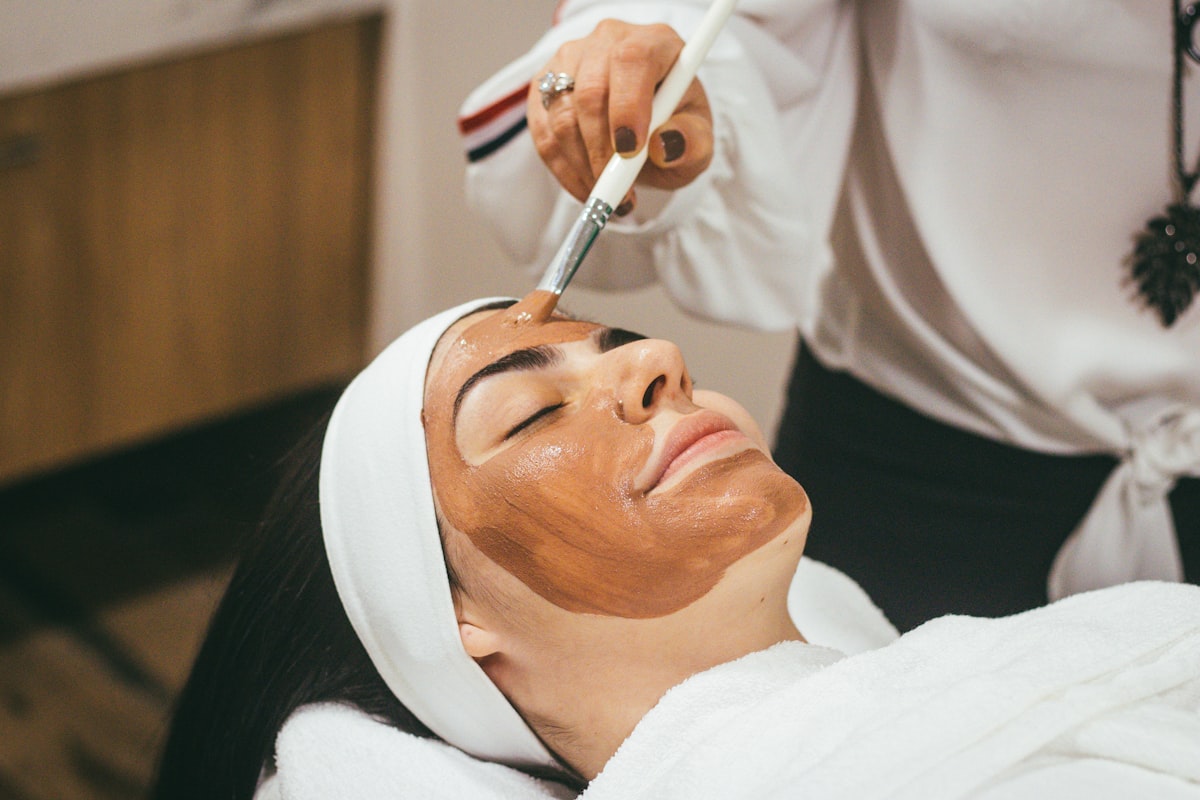
What exactly are exosomes? Why are they so popular in Korean dermatology?
Exosomes are nanoscale vesicles secreted by stem cells. They measure only 30 to 150 nanometers in size and contain five growth factors, six peptides, and 19 amino acids. These molecules can penetrate deep into the skin to deliver signals that stimulate collagen production and repair damaged tissues.
In simple terms, their function isn’t to “fill in” something missing but to encourage your own skin to regenerate. This is completely different from the approach used in traditional hyaluronic acid injections or laser treatments—and as a result, the side effects are also different.
The reason why exosome treatments are so popular in Korea is simple: they show results after just one session and require almost no special recovery time, making them ideal for short visits to Seoul. Especially for people who are concerned about lasers or fear darkening of their skin, many doctors recommend exosomes as an alternative.
What are the different ways to administer exosomes? What’s the difference between legal methods in Korea and injections?
One important point that took me some time to understand is that direct injection of exosomes is currently not approved in Korea. The legitimate methods used in regular dermatology clinics include the following three approaches:
- Potenza Diamond Micro-Needling: This technique uses microneedles and RF energy to deliver exosomes deep into the skin and is currently the most popular method.
- LDM High-Frequency Ultrasound: This method uses ultrasonic vibrations to open skin channels, resulting in little pain and minimal irritation.
- MTS microneedle rollers: These create microchannels on the skin surface through a physical process and are relatively inexpensive.
The doctor told me that the choice of method depends on your skin condition and budget. If you want to achieve both tightening and lifting effects at the same time, the combination of Potenza+ and exosomes offers the most comprehensive results; if your skin is extremely sensitive, LDM is the mildest option.

The truth about the side effects of exosomes: 5 things doctors say
This is the most crucial part of the entire article. I have compiled five potential side effects based on what the doctor told me that day and additional research I conducted on Korean dermatology literature.
Side effect 1: Local redness (most common, usually subsides within 2-3 days)
This is the most common reaction after receiving exosome treatment, especially when combined with Potenza microneedle RF. Doctors say that mild redness typically appears 3 to 5 days after the treatment; with LDM, it may disappear within 1 to 2 days. This reaction is a normal part of the inflammatory healing process and is different from the redness caused by laser treatments; it does not indicate that the skin has been damaged.
Side effect 2: Exosomes do not cause darkening of the skin! This misconception needs to be clarified
Many people mistakenly think that exosomes, along with picosecond lasers or CO2 lasers, can lead to skin darkening if exposed to too much sunlight after treatment. However, exosomes do not cause photosensitivity—they do not damage the epidermal structure or stimulate melanocytes, so the notion that they cause darkening is incorrect.
However, the doctor added that with the “Potenza+exosomes” combination, the microneedling procedure does create small wounds. It is recommended to use sunscreen for a week after the treatment to prevent excessive sun exposure during the wound healing period, which could lead to pigmentation.
Side effect 3: Allergic reactions (rare, but those with sensitive skin should be cautious)
The sources of exosomes include human fat, as well as umbilical or placental stem cells. In very rare cases, some individuals may experience allergic reactions to specific components from these sources, which can manifest as skin itching or rashes. It is essential to inform your practitioner about your allergy history and any medications you are currently taking, such as anticoagulants or retinoids, before undergoing this treatment.
Side Effect 4: Risk of Infection (Directly Related to the Choice of Clinic)
This side effect is not due to the exosomes themselves but rather to the environmental conditions and the quality of the product. If a clinic uses uncertified exosome ingredients or fails to maintain proper sterilization standards, there is a risk of infection. In research cases I saw in Korea, some people developed multiple red patches and inflammatory pustules, which required antibiotic treatment.
Therefore, it is extremely important to choose a reputable and qualified dermatology clinic. Do not opt for those large-scale, factory-style clinics that offer little to no consultation services just to save money.
Side Effect 5: The Psychological Disappointment That Can Come from “Overwhelming” Results – Don’t Expect Too Much on the First Try
This isn’t really considered a side effect, but my doctor specifically mentioned it. The effects of exosomes vary from person to person; some people notice immediate improvements, while others may only see noticeable results after three treatments.
I suggest thinking of exosome treatments as an “investment” in your skin health: the first treatment serves as a starting point, the second one enhances the results, and subsequent treatments should be done every 6 to 12 months. Don’t expect miraculous anti-aging effects right after the first session, or you might end up disappointed.
Post-Treatment Care for Exosome Therapy: Several Key Questions I Asked My Doctor
It’s also important to know how to care for your skin after exosome treatment. Here are the instructions my doctor gave me on that day:
- Do not apply makeup for 24 hours: Allow the exosomes to penetrate fully. Avoid using any skincare products that contain alcohol or fragrances.
- Avoid high-temperature environments: Do not take baths, steam baths, or engage in intense exercise that causes excessive sweating on the day of treatment and the day after.
- Proper sun protection is essential: It is recommended to use sunscreen with an SPF of 50 or higher for at least one week while undergoing microneedling treatments.
- Do not over-massage the treated area: Allow the ingredients to be absorbed naturally; avoid rubbing the area excessively.
- Strengthen skin hydration: During the recovery period, ensure your skin gets enough moisture to help the exosomes function effectively.
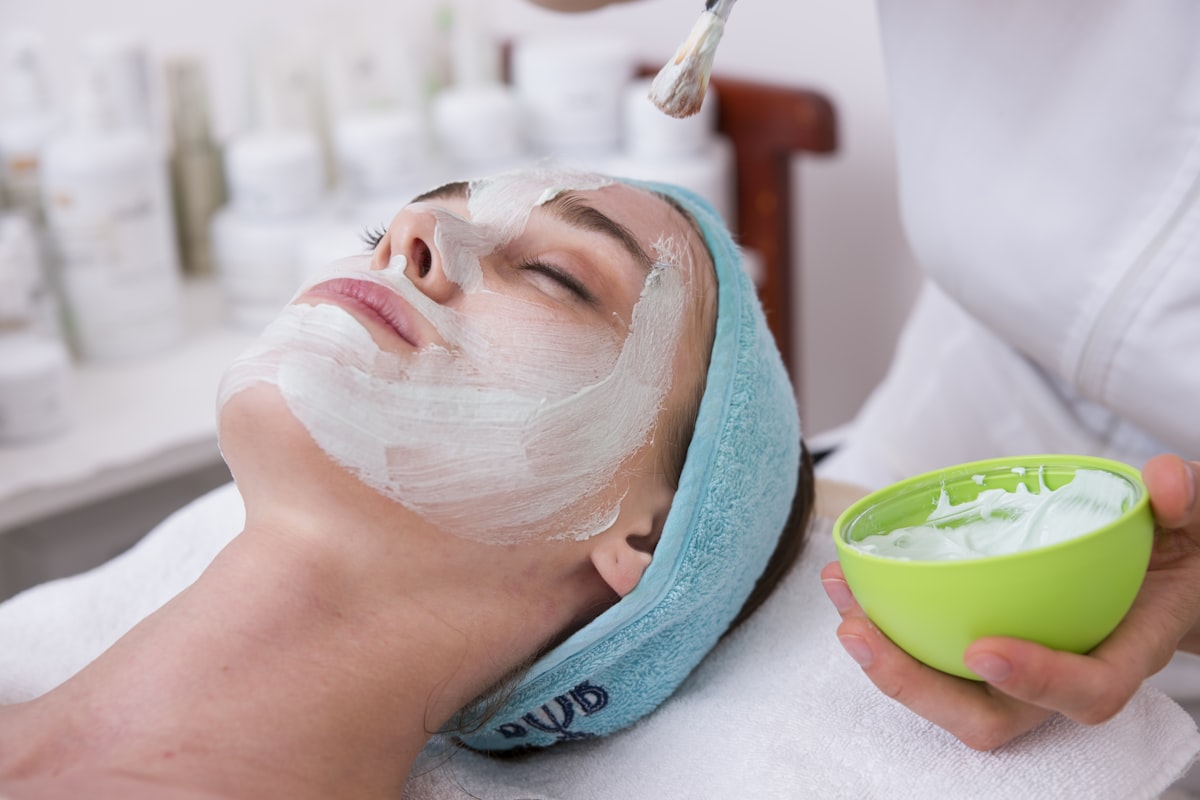
These people are not suitable for exosome treatments: a list of contraindicated groups as advised by doctors.
Although exosome treatments are considered low-risk and suitable for most skin types, there are still certain groups who should proceed with caution or postpone treatment:
- Pregnant or breastfeeding women (the safety of these treatments has not been fully studied).
- People with autoimmune diseases such as lupus erythematosus or rheumatoid arthritis.
- Those who have had an allergic reaction to components derived from exosomes, such as placenta or umbilical cord.
- Individuals who have recently undergone laser treatments or skin grafting and whose skin has not fully healed.
- For those with skin wounds, infections, or acute inflammation
If you are taking anticoagulants, retinoids, or steroids, be sure to inform your doctor in advance; you may need to stop taking them for a period of time before undergoing the treatment.
Common Questions: Side Effects and Safety of Exosomes
Q1: How soon can I see results after exosome treatment?
Most people begin to notice an improvement in skin shine and pore size 1 to 2 weeks after the treatment. The full effects are usually most apparent after 3 sessions, spaced 2 to 4 weeks apart. The duration of these effects varies from person to person but averages around 6 months to 1 year.
Q2: Can exosome treatment interact with other treatments?
Generally, exosomes can be combined with most treatments, such as hyaluronic acid or Botox. However, if you have recently undergone picosecond laser therapy, CO2 laser treatment, or dermabrasion, it is recommended to wait until the skin has fully healed (usually more than 2 weeks) before starting exosome treatment. Be sure to inform your doctor about any recent treatments you have received.
Q3>Is there any difference between Korean brands and brands from other countries when it comes to exosomes?
Korea is one of the countries where exosome research and application are most advanced. Many Korean dermatologists use exosomes produced by their own research institutes, ensuring relatively strict quality control. When choosing a brand, you can ask the clinic about whether the source of the exosomes has undergone third-party safety certifications, including sterilization tests and heavy metal residue monitoring.
Q4>Can people with sensitive skin or rosacea receive exosome treatment?
Exosomes themselves have anti-inflammatory effects and can actually improve conditions such as rosacea and sensitive skin. However, the delivery method should be LDM high-frequency ultrasound, rather than microneedling, as microneedling can irritate the skin barrier. Be sure to inform your doctor about your skin type so they can determine the most suitable delivery method.
Q5: What is the difference between getting exosome treatments in Taiwan or Hong Kong and going to South Korea?
The main differences lie in the brand and concentration of the exosomes, the skill level of the doctor and the quality of the equipment used, as well as the cost. In South Korea, a single exosome treatment usually costs around 350,000 to 500,000 Korean won (about NT$8,500 to 12,000), which offers some advantages compared to markets in Taiwan and Hong Kong. Additionally, South Korea allows these treatments to be combined with other therapies, resulting in a better value for money. Language barriers can be easily overcome with the help of BeautsGO.

How do I schedule an exosome treatment in Seoul? I used BeautsGO to arrange it.
Last time, I booked an appointment at a dermatology clinic in Gangnam District, Seoul, through BeautsGO. The entire process was handled through a Traditional Chinese language interface, and the customer service was available 24/7, so there was no need to worry about language barriers. During the consultation, you can simply mention that you want an exosome treatment, describe your skin condition, and provide your budget, and they will help you find the right clinic and doctor.
📅 立即預約 BeautsGO
Free consultation · Traditional Chinese language service · Quick appointment scheduling