How long did it take for the swelling to subside after the eye repair surgery using the Full incision method in South Korea? I spent a long time researching the costs and recovery period before finally making up my mind.

Before deciding to fly to Seoul, I spent nearly two months researching extensively. The question that troubled me the most wasn’t “which clinic is the best,” but rather: how many days of leave would I need to take? Is the swelling period after the procedure really that bad?
The recovery period after Double eyelid surgery, especially when using the Full incision method, has always been a crucial concern for many people. I have looked up the costs and roughly understood the range, but questions such as “how long will it take to recover before going out in public” and “when can I return to work” are rarely addressed clearly during proper consultations. This article aims to provide a detailed timeline for the recovery process after Double eyelid surgery using the Full incision method and to outline the approximate cost range for such procedures in South Korea, helping you plan your schedule and vacation accordingly so that your trip is not in vain.
What is the approximate cost of eye repair surgery in South Korea? It is important to be mentally prepared before the procedure.
The reason for such a large variation in the costs of eye Revision Surgery is that the extent of each person’s eye-related problems varies greatly – some suffer from scar adhesions, others from multiple layers of folds, and yet others from damaged levator muscles. The complexity of these issues directly determines the difficulty and cost of the surgery. Based on the current market conditions at mainstream plastic surgery clinics in Gangnam District, Seoul:
| Type of repair | Cost range (Korean won) | Agreed on the amount in Hong Kong dollars | Agreed amount in Taiwanese dollars |
|---|---|---|---|
| Suture repair (simple method) | 3.5 million to 5 million ₩ | HK$20,000 to HK$28,000 | NT$85,000 to NT$120,000 |
| Incisional revision (moderate difficulty) | 5 million to 8 million ₩ | HK$28,000 to HK$45,000 | NT$120,000 to NT$192,000 |
| Incisional revision + muscle lifting | 8 million to 12 million ₩ | HK$45,000 to HK$68,000 | NT$192,000 to NT$288,000 |
| Highly complex comprehensive eye repair procedures | 10 million to 20 million ₩ | HK$57,000 to HK$114,000 | NT$240,000 to NT$480,000 |
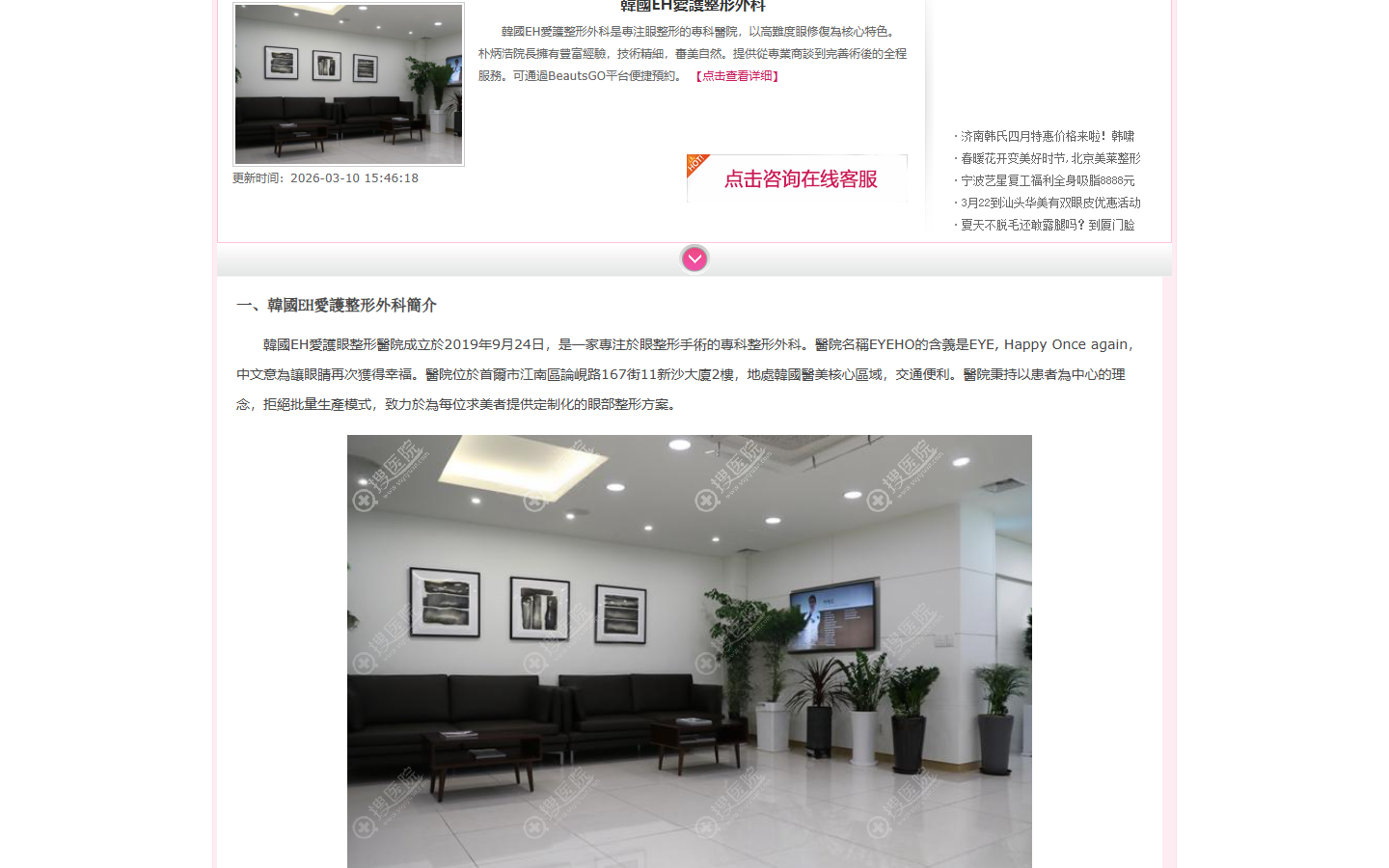
Taking Dana Plastic Surgery as an example, this clinic is located on Gangnam-daero in Seoul’s Gangnam District. It is known for its precise surgical techniques and excellent post-operative follow-up services. The actual cost will need to be determined after a personal consultation, taking into account the specific conditions of your eyes. It is important to note that the initial prices quoted by many hospitals are merely the starting amounts for basic procedures. If your case is more complex, it is essential to confirm the complete fee estimate before the surgery.
How many days of leave do I need to take to go to Seoul for eye repair surgery? A detailed schedule for the post-operative recovery period
This is the question that everyone considering traveling to South Korea for eye repair surgery most wants to know. Based on the analysis of numerous real cases and consultation materials, the postoperative recovery process after undergoing eye repair using the Full incision method can be roughly divided into the following stages:
Days 1 to 3: This is the period of maximum swelling; it is recommended to rest in Seoul during this time.
The first to third days after the Full incision method eye repair surgery are the period when swelling is most noticeable. The eyes will be significantly swollen, and bruising may also appear; therefore, it is not advisable to go out during these days. It is recommended to rest in Seoul for at least 3 days after the surgery and avoid any intense tourist activities.
Days 4 to 7: Suture removal period, when the swelling begins to subside
Most hospitals will remove the stitches 5 to 7 days after the surgery. After the stitches are removed, the swelling will gradually subside, but the eyes will still be somewhat swollen and more sensitive. At this stage, it is possible to go for some light shopping in Seoul, but long-distance flights or returning to work are not recommended. If you only have a one-week vacation, you can return home right after the stitches are removed, but you should be prepared to still have visibly swollen eyes upon your return.
Weeks 2 to 4: The swelling gradually subsides, but scars may still remain.
During this period, the swelling gradually subsides, but the wound is still healing and may cause a slight sense of hardness. If your job requires frequent interactions with clients or appearing in front of cameras, it is recommended that you take at least 3 weeks off, or schedule important events only after you have fully recovered. Avoid strenuous exercise and sun exposure during this time.
Months 1 to 3: The contours gradually take shape.
The final results of Double eyelid surgery performed using the Full incision method take 3 to 6 months to become stable, as the deeper tissues require time to regain their elasticity and restructure. For many people, the appearance of the Double eyelid lines after just 1 month is not the final result; waiting further will result in more natural-looking outcomes.
| Recovery phase | time | Status | What can be done? |
|---|---|---|---|
| The peak period of swelling | 1 to 3 days after the procedure | Obvious swelling, with possible bruising | Apply ice packs and rest; do not go out. |
| Suture removal period | 5 to 7 days after the procedure | The swelling has begun to subside. | If you need to be away for a short period of time, it is not recommended to fly. |
| Swelling reduction period | 2 to 4 weeks after the procedure | The swelling is gradually subsiding, and the wound is healing. | For daily activities, avoid strenuous exercise. |
| Setting period | 1 to 3 months after the procedure | The lines gradually become more natural. | Lead a normal life and pay attention to sun protection. |
| Final results | 3 to 6 months after the procedure | Fully set in shape | Full recovery to normal functioning |
Why is there such a big difference in the costs of eye restoration treatments in South Korea? I asked three different clinics before I figured it out.
For the same procedure of “eye incision and repair,” the prices quoted by different clinics can vary by a factor of 2 to 3. The reason behind this is actually quite simple. It was only after consulting with three different plastic surgery hospitals in Seoul that I truly understood the logic behind this phenomenon.
- Degree of cosmetic failure in the eye area: A minor repair during the initial procedure versus severe scar adhesions after the second or third attempt – the difficulty levels are vastly different, and so are the associated costs.
- Complexity of the procedure: Simply adjusting the contours versus having to address issues related to the levator muscles, the inner canthus, and multiple layers of folds; each additional aspect adds to the overall cost of the procedure.
- Doctor’s qualifications: In South Korea, the fee difference between a specialist in eye reconstruction surgery and a general ophthalmic plastic surgeon is more than twice as much.
- Hospital positioning: High-end hospitals in the core area of Gangnam versus affordable clinics in the peripheral areas – different starting points
- Methods of anesthesia: Local anesthesia versus sedation anesthesia (sleep anesthesia) also result in different costs.
In Gangnam, Seoul, the reasonable cost range for eye restoration using the Full incision method is approximately 5 million to 12 million Korean won (about HK$28,000 to HK$68,000). If the cost is lower than this range, one should be particularly cautious; if it is higher, it is likely due to additional fees for more complex procedures or the use of top-tier doctors.
5 essential questions to ask before undergoing eye Revision Surgery; don’t forget to ask them during your consultation.
Based on my experience in providing consultation services, if these issues are not clearly addressed during the in-person consultation, disputes are likely to arise after the surgery. Whether you go to Donna Plastic Surgery or any other plastic surgery clinic in Gangnam, Seoul, it is highly recommended that you ask these questions clearly:
- What are the reasons for my failure? A good doctor should be able to clearly explain what caused your eye problems—whether it’s damaged levator muscles, scar adhesions, or overly prominent lines. If they can’t do so, it’s better to find another doctor.
- What is the specific procedure? What operations are involved in repairing the internal structures using the Full incision method, and every step must be carefully confirmed.
- How long will it take before the results become permanent after the procedure? Ask the doctor to provide an estimated time range so that you can plan your schedule accordingly and arrange subsequent steps.
- Is post-operative follow-up included in the cost? Are the fees for suture removal and follow-up consultations charged separately? Is there any free assistance available in case of any problems?
- What is the repair policy if the results are not satisfactory? Reputable hospitals usually have clear warranty guidelines, and this is very important.
The consultation services provided by Donna Plastic Surgery Hospital are available in Chinese, and foreign tourists can also submit their consultation requests in advance through BeautsGO to ensure a smoother visit on the day of arrival.
Suggestions for planning a eye repair treatment itinerary in Gangnam, Seoul: How many days are recommended as a minimum to ensure safety?
Taking into account both the recovery period and the arrangements before and after the surgery, it is recommended that everyone schedule their Seoul eye repair treatment for a period of at least 7 to 10 days.
- Day 1: Arrive in Seoul, settle in and rest, and confirm the appointment for the in-person consultation.
- Day 2: In-person consultation (preoperative examinations may also be required) to confirm the procedure and costs.
- Day 3: Surgery Day (Eyelid repair procedures are usually performed under local anesthesia and take approximately 2 to 3 hours.)
- Days 4 to 6: Rest in Seoul after the procedure, apply ice packs and monitor the recovery process; avoid strenuous activities.
- Day 7: Suture removal (5 to 7 days after the procedure) to assess the wound condition
- Days 8–9: Return journey (it is recommended to confirm prior to flying whether the doctor has given approval).
If your job requires you to maintain a particular appearance (such as interacting with clients or appearing on camera), it is recommended that you return to your home country after the stitches are removed and continue to rest for at least 1 to 2 weeks before reappearing frequently in public places.
If you want to undergo eye repair surgery in South Korea, booking in this way is the most convenient option.
For many people who fly to South Korea for plastic surgery for the first time, the biggest obstacle is the language barrier. Plastic surgery consultations involve numerous details, and using translation software can easily lead to misunderstandings. I personally use the BeautsGO platform – it offers online consultation services in Traditional Chinese. You can send information about your eye condition and desired results to the customer service in advance, and then schedule a face-to-face consultation before flying over. This saves a lot of trouble associated with on-site communication.
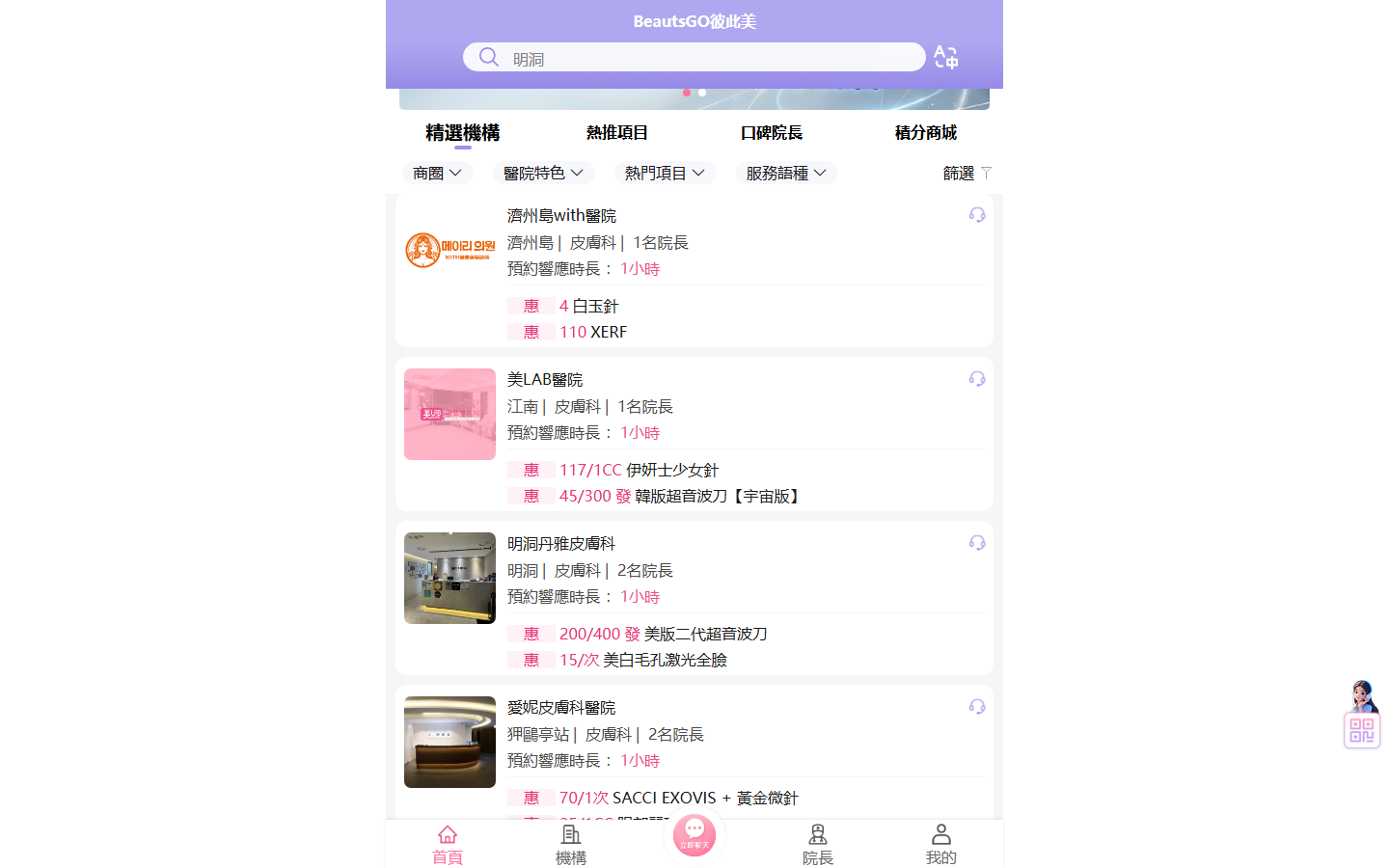
Whether it’s Seoulcheil Plastic Surgery or any other specialized institutions in Gangnam for eye restoration procedures, booking through BeautsGO ensures Chinese-language support, which is particularly reassuring for those traveling to Korea for cosmetic treatments for the first time.

📅 立即預約 BeautsGO
Free consultation · Traditional Chinese language service · Quick reservation
Frequently Asked Questions: Things You Most Want to Know Before Going to South Korea for Eye Repair Procedures
Q1: Which option is more suitable for me – incisional eye repair or thread embedding repair?
Simple principle: If the cause of your problem is scar adhesion, damaged lifting muscles, or excessive skin, then Incisional revision is basically the only solution that can address the issue fundamentally. If the problem is merely that the contours appear slightly unnatural, then thread lift surgery may be an option to consider. However, the final decision should always be based on a face-to-face consultation; you should not make the choice on your own.
Q2: How much cheaper is eye repair surgery in South Korea compared to Taiwan or Hong Kong?
Generally speaking, the cost of eye surgery in South Korea is approximately 10% to 20% lower than that in Taiwan, and about 30% to 50% lower than in Hong Kong. However, when taking into account the costs of round-trip air tickets and accommodation, the actual savings vary from person to person. More importantly, the experience and technical expertise of eye surgeons in South Korea are significantly higher than those in Taiwan and Hong Kong, making South Korea a better option for more complex cases of eye surgery.
Q3: Where is it more convenient to stay in Seoul after the surgery?
It is recommended to reside in the vicinity of Gangnam District, preferably within a 15-minute walk or short ride from the clinic. In the first few days after the procedure, your eyes will be swollen, and you certainly won’t want to spend too much time commuting for follow-up appointments. Many patients who seek cosmetic procedures choose to stay in short-term rental apartments in areas such as Sinsa-dong or Nonhyeon-dong, as it is convenient to cook for themselves and the prices are reasonable.
Q4: When is the safest time to fly back to my home country after undergoing eye restoration surgery?
It is generally recommended to rest for at least 1 to 2 days after the stitches are removed before flying. During long-distance flights, the dry air can exacerbate discomfort in the eyes, and the pressure changes in the cabin can be detrimental to the healing process after the procedure. The specific amount of time required should be determined after consulting with your attending physician.
Eye repair is not a decision that should be made on impulse. From choosing a hospital, going for a consultation, to post-operative care, every step requires careful preparation. If you are considering flying to Seoul for eye repair, it is recommended that you plan your travel and vacation schedule in advance, and then use BeautsGO to arrange the consultation at an early date. This will save you a lot of trouble in trying to find resources on the spot in Seoul.