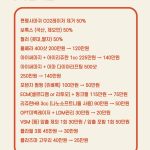
Before flying to Seoul, I compared the prices of PDRN salmon needle treatments in Taiwan, Hong Kong, and South Korea. After seeing this table, I immediately saved the reservation link.

At the end of last year, I started noticing the term “salmon needle therapy.” Several people in my social circle had returned from Seoul and reported that their skin had noticeably improved. When I asked them what they had done, eight out of ten said it was PDRN therapy—the popular treatment in South Korea. To be honest, I had no idea what PDRN even was at that time. After doing some research, I discovered that this treatment is incredibly widespread in Seoul: almost every Dermatology clinic offers it, and the cost is much lower than in Taiwan or Hong Kong. This article summarizes the costs of this treatment in the three regions I investigated, hoping it can provide some information for those who are considering whether to travel to Seoul for this procedure.
What exactly is PDRN salmon needle therapy? How does it differ from ordinary hyaluronic acid injections or Rejuran?
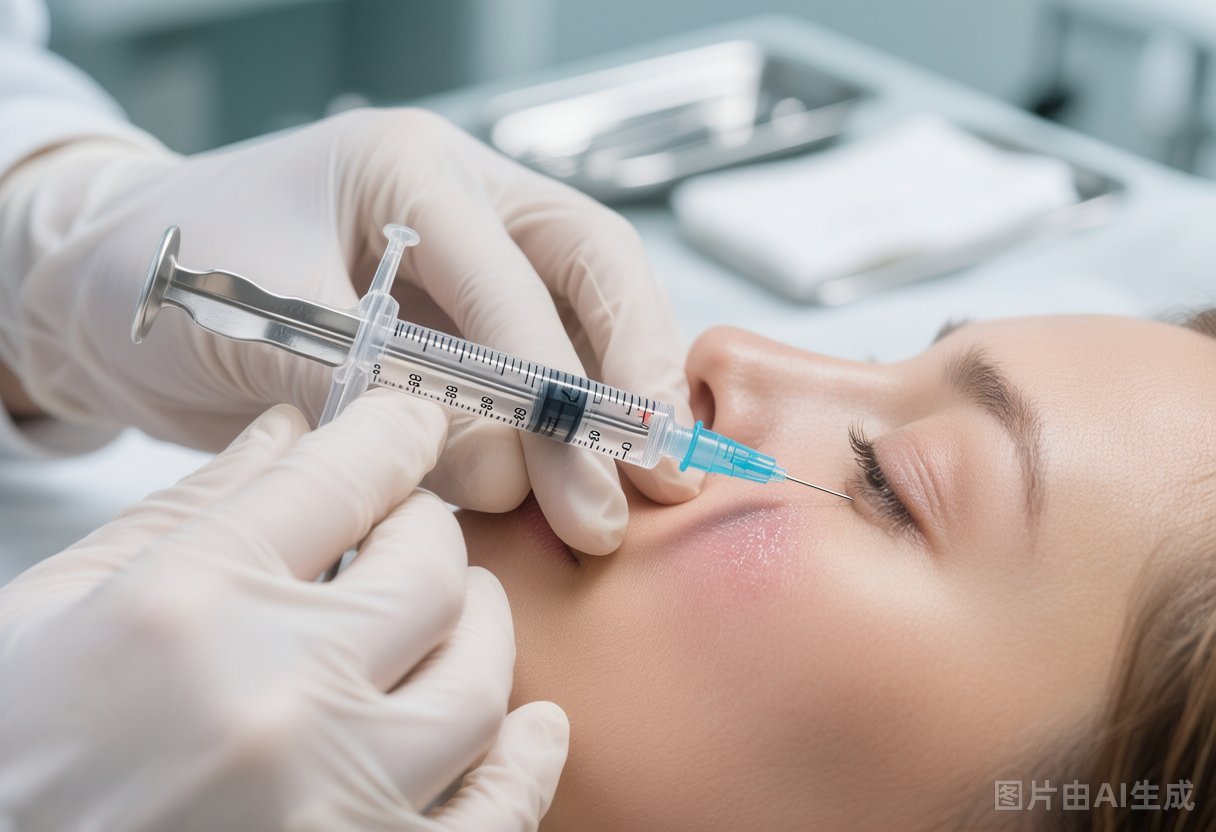
PDRN (Polydeoxyribonucleotide) is an active ingredient extracted from salmon sperm, which is also why it is referred to as “salmon needle” or “trout needle”. Its mechanism of action is different from that of conventional hyaluronic acid injections – while hyaluronic acid injections mainly serve to hydrate and maintain skin moisture, PDRN primarily promotes the skin’s self-repair process and the regeneration of Collagen, resulting in more significant improvements in areas such as acne scars, enlarged Pores, and dull skin tone.
Relationship with Rejuran: Rejuran is actually a brand of PDRN. PN (polynucleotides) and PDRN belong to the same family; they have similar effects but differ slightly in molecular weight. In South Korea’s Dermatology field, PDRN and Rejuran are often used interchangeably or in combination, especially for those who have clear needs for skin repair.
Below is a comparison between PDRN salmon needle therapy and other common injectable treatments:
| Treatment plan | Main Ingredients | Key benefits | Suitable for various groups of people |
|---|---|---|---|
| PDRN salmon needles | Polydeoxyribonucleotides | Repair and promote collagen production | Acne scars, dull skin, enlarged Pores |
| Hydrofiller injections | Filler | Moisturize and hydrate | Dry and dehydrated skin, with a dull and lackluster complexion |
| Rejuran | PN (polynucleotide) | Repair and regeneration | Aging and sagging, wound healing |
| PRP (Platelet-Rich Plasma) autologous serum | Autologous platelets | Regeneration and repair | Those who require highly customized treatment plans |
Full disclosure of the costs of PDRN salmon needle treatments in South Korea: An overview of the market in Gangnam Dermatology in 2026
The cost of PDRN treatments in Seoul varies significantly depending on the clinic, brand, and area of injection. Overall, however, it is much cheaper than in Taiwan and Hong Kong. Below is the latest comparison of prices in the three regions for 2026, presented in Korean won, Taiwanese dollar, and Hong Kong dollar – you can easily see how much you can save by traveling there.
| Treatment options | Seoul, South Korea (₩) | Agreed amount in New Taiwan Dollars (NT$) | Taiwan (NT$) | Hong Kong (HK$) |
|---|---|---|---|---|
| PDRN Full Face Treatment (Basic) | ₩150,000 to 250,000 | NT$3,500 to 5,800 | NT$8,000 to 15,000 | HK$2,000 to HK$4,500 |
| PDRN Full Face Treatment (High Concentration) | ₩280,000 to ₩400,000 | NT$6,500 to 9,300 | NT$12,000 to 22,000 | HK$3,500 to HK$7,000 |
| Rejuran+PDRN Compound | ₩350,000 to 550,000 | NT$8,100 to 12,800 | NT$15,000 to 30,000 | HK$4,500 to HK$9,000 |
| Periocular PDRN (local application) | ₩100,000 to 180,000 | NT$2,300 to 4,200 | NT$5,000 to 10,000 | HK$1,800 to HK$3,500 |
| How much larger is it than Taiwan Province? | Save 30-60% | — | ||
The exchange rate is calculated at approximately 1 South Korean won = NT$0.023 (reference value for 2026); it is recommended to verify the latest exchange rate before actually proceeding with the treatment. The cost of a full-face PDRN treatment in South Korea ranges from NT$3,500 to NT$6,000, while in Taiwan, the same treatment usually starts from NT$8,000, and at more expensive clinics, it can exceed NT$20,000 – the difference is indeed quite significant.
Which clinic should I choose for PDRN treatment in Seoul? I have researched several options in Gangnam Dermatology and shared my thoughts.
There are numerous clinics in Seoul that offer PDRN treatments. In the areas of Gangnam, Hongdae, and Apgujeong, there are plenty of options available, and it is also relatively easy for foreigners to make appointments. I have researched several Gangnam Dermatology clinics that provide Chinese-speaking services or are friendly towards foreign patients. Below are the details of the clinics I have noted down.
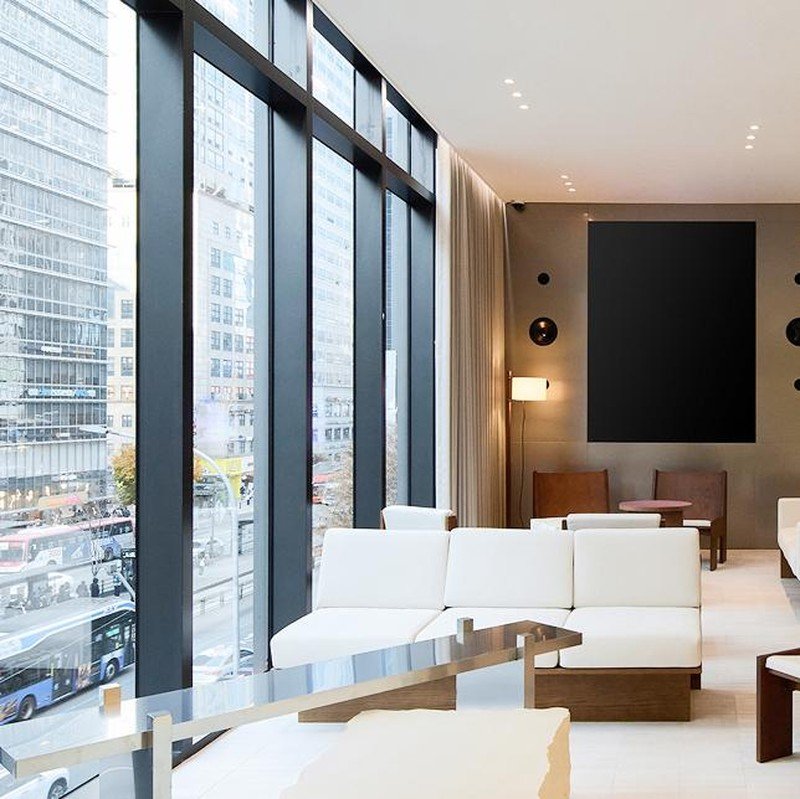
Gangnam peche Dermatology, located in Yeoksam-dong, is one of the clinics with consistently high ratings on BeautsGO and a large number of foreign patients making appointments. In addition to PDRN, peche’s comprehensive treatment packages are also very popular among customers from Taiwan and Hong Kong—the package combining HIFU and Thermage costs NT$76,000, which is considered a competitive price in Gangnam.

If it’s not very cost-effective to fly just for PDRN treatment, you might consider combining it with other skin care procedures. Many clinics offer special packages for foreigners.

How long does it take to undergo a PDRN salmon needle treatment? A detailed explanation of the procedure and the recovery period on the same day.
The entire treatment process for PDRN injections is relatively short. For the whole face, it takes approximately 20–40 minutes (including a 30–45-minute waiting period for the anesthetic, plus about 1–1.5 hours for consultation). Below is the standard procedure at most Dermatology clinics in Seoul:
- Registration and check-in (about 10 minutes): You will need to provide your registration information and fill out an allergy history form. If the clinic offers Chinese translation services, staff will assist you at this time.
- In-person consultation (about 15 minutes): The doctor will assess the condition of your skin and determine the injection site and dosage. This is also the perfect opportunity to clarify which brand of PDRN will be used – whether it’s imported or domestically produced, and whether it’s Rejuran or a domestic imitation, as there can be significant differences between these products.
- Apply the anesthetic and wait (about 30 minutes): After applying the anesthetic ointment, wait for it to take effect.
- Official injection procedure (about 15–20 minutes): The entire face is injected using a dense, dot-like injection technique; some clinics use needles with enhanced efficiency to speed up the process.
- Postoperative care (about 10 minutes): Apply a facial mask to soothe the skin, and follow the instructions given by medical staff.
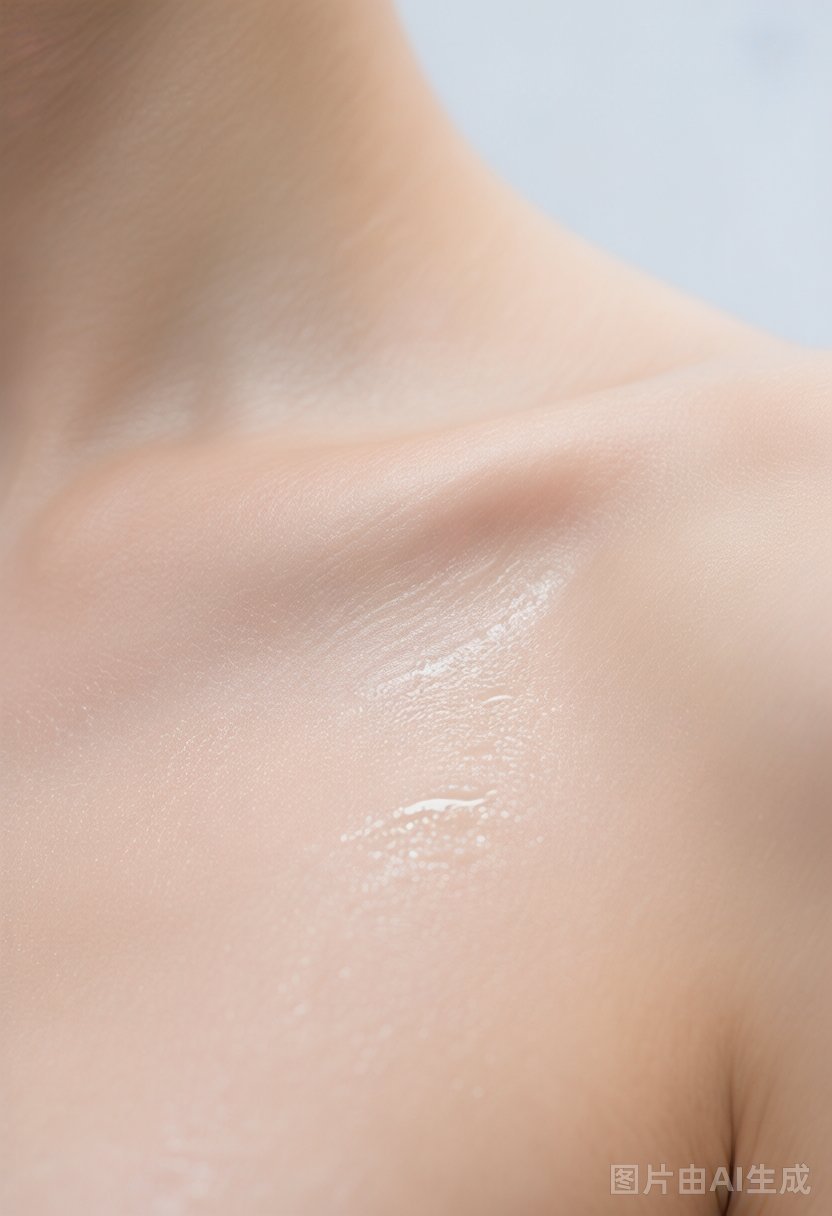
Recovery Notes: The recovery period after PDRN treatment is much shorter than that after laser treatment. Most people will experience mild redness and small pinpoint marks on the same day, which will subside within 24 to 48 hours. In a few cases, there may be slight localized swelling, but generally, it is safe to go out the next day (wearing a mask is recommended for extra peace of mind). On the day of the treatment, it is advisable to avoid wearing makeup and excessive sweating.
South Korea’s PDRN vs Taiwan and Hong Kong: Apart from price, what other differences really exist?
I have already listed the cost differences above, but apart from the price, there are several aspects regarding PDRN treatment in South Korea that are different from those in Taiwan and Hong Kong. I think it’s worth mentioning these differences.
There is a wider range of brand options available: South Korea is the hub for the research, development, and production of PDRN, so there are significantly more brands to choose from in the market compared to Taiwan – including the original research brand Rejuran, high-concentration PDRN products, and PDRN+Filler mixtures. Doctors can select more tailored formulas based on the specific condition of the patient’s skin. In Taiwan and Hong Kong, however, there are usually only 1-2 commonly available brands.
It is recommended to increase the frequency of treatments: The standard recommendation in Dermatology in South Korea is to undergo treatments every 2–4 weeks in the initial phase, for a total of 3–5 sessions. After achieving the desired results, maintenance treatments can be done every 2–3 months. In Taiwan, the interval between treatments is usually longer due to the higher costs; people are reluctant to have treatments too frequently. However, if your schedule permits, it is possible to have 2–3 intensive treatments in Seoul, and the results will be much better than having just one treatment at a time.
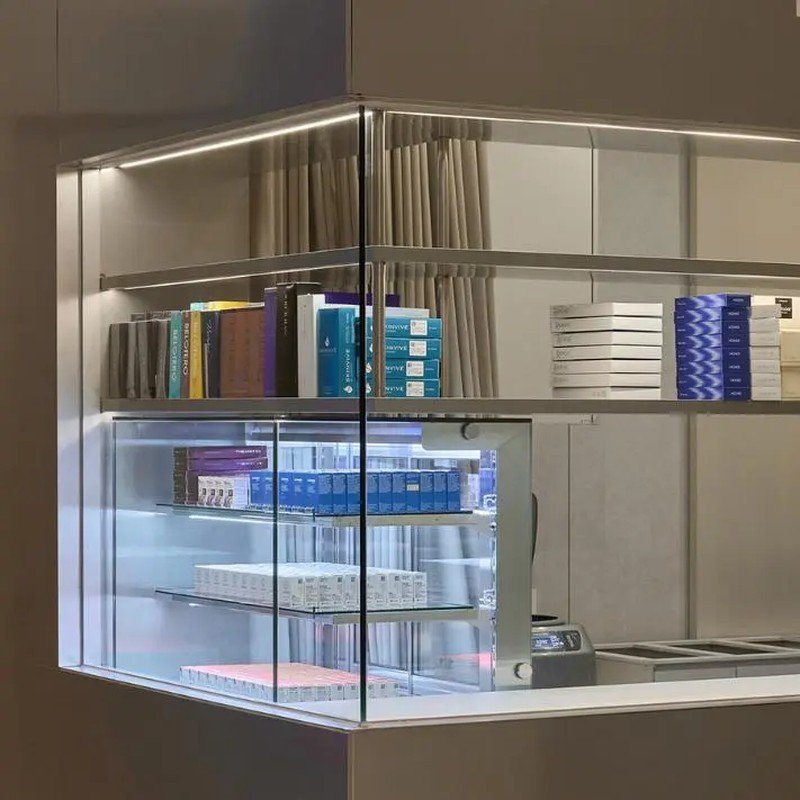
The service system for foreigners is more comprehensive: In the main dermatology areas of Seoul, such as Gangnam, Hongdae, and Myeongdong, most clinics offer services in Chinese or English. Platforms like BeautsGO also provide Taiwanese-language interfaces. The entire process, from making an appointment to receiving treatment to claiming tax refunds, has become much smoother than it was five years ago.
Guide for foreigners going to Seoul for PDRN treatments: How much in advance should one book a appointment? What items need to be brought?
Here are some of the most common questions asked by people visiting a Dermatology clinic in Seoul for the first time. Let me provide unified answers to them:
- How far in advance should one make a reservation? Popular clinics in Gangnam recommend booking 5 to 7 days in advance, especially since weekends and the days around public holidays are usually very busy. Try not to wait until you arrive in Seoul before making a reservation.
- What documents are required? A valid passport is essential. Some clinics ask foreign patients to fill out specific forms, while medical tourism-certified clinics have more comprehensive procedures for receiving such patients.
- Is it possible to get a tax refund? In South Korea, general consumer tax refunds do not apply to medical expenses. However, for certain treatment fees at some clinics, it is possible to apply for a medical expense tax refund (please inquire with the respective clinic).
- Can I go out and have fun right after the treatment? Yes, PDRN does not affect daily activities on the same day; just avoid excessive sweating and wearing makeup after the injection.
It is recommended to make reservations through the BeautsGO platform. With its Traditional Chinese-language interface, you can check the clinic information and project prices in advance. Translation services are also available upon arrival at the clinic, so you don’t have to worry about language barriers if you visit for the first time.
📅 立即預約 BeautsGO
Free consultation · Traditional Chinese language services · Quick reservation
FAQs about Common Issues with PDRN Salmon Needle Treatments
Q1: How often is it appropriate to undergo PDRN salmon needle treatments?
It is recommended to undergo the initial treatment every 2-4 weeks, with 3-5 sessions constituting a complete course of treatment. During the maintenance phase, a booster dose should be administered every 2-3 months.
Q2: What age group is PDRN suitable for?
People over 20 years old can undergo this treatment. Those with obvious needs for repair, such as those with acne scars or enlarged Pores, will see more noticeable results if they start sooner. For those aged 30 to 45, this treatment offers the most significant anti-aging effects.
Q3: Can PDRN and hyaluronic acid injections be done at the same time?
Certainly. The effects of the two are complementary, and many Dermatology clinics in Seoul recommend combined injections of PDRN + hyaluronic acid or PDRN + Rejuran for more comprehensive results.
Q4: Is there any difference between PDRN used in South Korea and that used in Taiwan?
The main differences lie in the brand and the concentration. South Korea’s domestically developed brands, such as the Rejuran series, use PDRN with high purity and standard concentrations; however, some imported brands from Taiwan may have slight adjustments to their formulas and concentrations.
Q5: Are there any side effects associated with PDRN salmon needle therapy?
The main side effects are mild redness and swelling within 24 to 48 hours after the injection; in very rare cases, some individuals may experience slight bruising. Allergic reactions are extremely uncommon, but it is recommended to inform your doctor beforehand if you are allergic to seafood proteins.
Q6: Is it enough to undergo one PDRN treatment in Seoul?
Even a single treatment can be effective, but for optimal results, it is generally recommended to undergo 3-5 sessions. If you only have one session available, you may discuss with the clinic the possibility of using a higher-concentration product or combining it with other treatments to enhance the effectiveness.
Q7: How long does it take to see results after receiving PDRN treatment?
The immediate effects will become noticeable 1 to 2 weeks later (such as increased skin moisture), while the more significant repair results (Pores Reduction surgery, improved skin tone) usually appear after 3 to 4 weeks. The lasting effects last for 3 to 6 months.
Q8: Will foreigners facing PDRN treatment in Seoul encounter any problems or scams?
Clinics that are booked through official platforms such as BeautsGO are generally medical tourism-certified clinics with transparent pricing, so there is no issue of additional fees at the last minute. It is recommended to confirm the services and prices on the platform before making a reservation, and then pay directly according to the stated rates upon arrival at the clinic.