I had been wanting to compare the costs of laser skin treatments in Taiwan, Hong Kong, and South Korea for some time. After doing my research, I immediately saved the reservation link for that Dermatology clinic in Seoul to my phone.

The dilemma of whether to go to Seoul for laser skin treatment has been bothering me since the end of last year. The clinics in Taiwan are not bad, but every time I inquired about the costs, I would hesitate—after all, it takes multiple treatments to see results, and the total cost can be quite substantial. Later, a friend told me that her skin had become noticeably brighter after having the procedure at a Dermatology clinic in Hongdae, and that’s when I really started to look into it seriously. This article is a comprehensive record of the costs of laser skin treatments in Taiwan, Hong Kong, and Seoul after my research, and it also explains how foreigners can schedule appointments at Dermatology clinics in South Korea.
What is South Korea’s pure-skinned laser treatment? What are the differences between it and Pico laser treatment? Many people get confused about these differences.
The 1064nm Nd:YAG laser, also known as skin rejuvenation laser or “porcelain doll laser,” is one of the most basic and commonly used phototherapy treatments in South Korea’s Dermatology field. This laser, with a wavelength of 1064 nanometers, penetrates into the dermis and selectively targets melanin cells, resulting in a more even skin tone, Reduction surgery of Pores, and reduced appearance of fine lines. The entire treatment usually takes only 20-30 minutes, and there is no significant recovery period required; many people can resume their daily makeup and work immediately after the procedure.
The main difference between seoulcheil Pico lasers and other types of lasers lies in their pulse duration: while traditional skin-resurfacing lasers have relatively long pulses (in the nanosecond range), resulting in a milder treatment effect, they are more suitable for those looking to improve issues such as dull skin tone, enlarged Pores, or mild melanin spots. In contrast, seoulcheil Pico lasers have much shorter pulses (in the Pico range), enabling them to more effectively break down melanin. As a result, they are better suited for treating stubborn pigment problems like acne scars, freckles, and dark spots. Additionally, the cost of seoulcheil Pico laser treatments is significantly lower than that of other types of lasers, making it an excellent starting point for those who are considering phototherapy for the first time.
In South Korea, there are mainly three types of laser devices for skin rejuvenation: Q-Switch Nd:YAG (the traditional model and the most commonly used), Spectra (distributed by Lutenda and considered an upgraded version), and Revlite (which features a more precise dot matrix technology). The effects of these different devices vary slightly; Spectra and Revlite offer better evenness in treatment results, but they are also relatively more expensive. When consulting a doctor, you can ask which device will be used to help determine whether the cost is reasonable.
Summary of laser skin treatment costs in Seoul: Price trends for three different models in 2026
The costs of laser skin treatments in South Korea vary depending on the size of the clinic, the model of the equipment used, and the number of treatment sessions. However, they generally fall within the following range. The following is a reference price based on information gathered from multiple Dermatology clinics in Gangnam and Hongdae:
| Model | The costs in South Korea each time | Number of recommendations | Suitable for the problem at hand |
|---|---|---|---|
| Q-Switch 1064nm (traditional) | ₩50,000 to 80,000 | 4 to 8 times | Dull complexion and enlarged Pores |
| Spectra (Advanced Version) | ₩80,000 to 150,000 | 3 to 6 times | Even skin tone, reduced freckles |
| Revlite (Dot Matrix Mode) | ₩100,000 to 180,000 | 3 to 5 times | Mild cases of Pores and acne scars |
| 4-pack package (Spectra full face treatment) | ₩280,000 to ₩450,000 | — | The most popular package options |
Taking Hongdae Kate Dermatology as an example, the prices of their Juvelook hyaluronic acid injections starting from ₩88,000 and the microbubble facial treatment starting from ₩77,000 are considered transparent and reasonable in the industry. Many foreign customers choose to combine the skin resurfacing treatment with the hyaluronic acid injections to maximize both the hydration and whitening effects.
A comparison of the costs of laser skin treatments in Taiwan, Hong Kong, and Seoul: After seeing this table, I immediately booked my flight.
The cost differences among these three regions are even greater than I had imagined. In Taiwan and Hong Kong, the rent and labor costs for Dermatology clinics are higher than those in Seoul, which is directly reflected in the prices of treatment services. In South Korea, the competition in the Dermatology industry is fierce; for basic treatments such as laser skin resurfacing, nearly all clinics compete by offering transparent pricing.
| Cost items | 🇹🇼 Taiwan | 🇭🇰 Hong Kong | 🇰🇷 Seoul, South Korea |
|---|---|---|---|
| Pure Skin Laser Treatment (for the entire face in one session) | NT$1,800–3,500 | HK$600–1,200 | ₩50,000 to 150,000 (appr oximately NT$1,200 to 3,600) |
| 4-session package | NT$6,000 to 12,000 | HK$2,000 to HK$4,500 | ₩280,000 – 450,000 (appr oximately NT$6,700 – 10,800) |
| Spectra Advanced Edition (one-time use) | NT$2,500–4,500 | HK$800 to 1,500 | ₩80,000 – 150,000 (appr oximately NT$1,900 – 3,600) |
| Combined with the Hydrating Needle Set | NT$4,500–8,000 | HK$1,500 to HK$3,000 | ₩150,000 to 250,000 (appro ximately NT$3,600 to 6,000) |
Converting the costs, a single Spectra full-face skin-rejuvenation treatment at Seoul National University costs approximately NT$1,900 to NT$3,600, which is not significantly different from the prices in Taiwan. However, considering the higher density of clinics in Seoul, the newer equipment, and the generally higher level of expertise among doctors, the cost-performance ratio is indeed better there. If you already have plans to travel to Seoul, incorporating this treatment into your itinerary doesn’t require an additional trip, allowing you to save on all the related expenses.
How many sessions of laser skin treatment are needed to see results? Here is a timeline of the actual effects I have observed.
This is a question that many people ask me. Since money has been spent, it’s difficult to predict when results will be visible, which makes it hard to form any expectations. Based on various feedback from Dermatology patients in South Korea that I have researched, as well as the general opinions of doctors, here is a commonly accepted timeline for seeing results:
- After the first treatment: The skin may turn slightly red, but this effect will subside within 1–2 hours. On the same day, the skin might feel dry, so it’s important to apply more moisturizer. It’s normal if the results are not immediately noticeable.
- After the 2nd to 3rd applications: You will start to notice changes—your skin appears brighter, and your Pores seem to have reduced in size. At this stage, most people begin to feel that “actual progress is being made.”
- At the 4th to 6th sessions: The effects become most noticeable. The overall evenness of the skin tone improves, the dullness decreases, and the skin appears more radiant. Many people notice at this stage that their friends comment, “Your skin looks much better lately.”
- Maintenance period: It is recommended to perform maintenance treatments every 1–2 months. If you stop, the effects will gradually diminish, but they will not become worse than before starting the treatment.
It is important to note that there is no obvious recovery period after undergoing skin resurfacing treatment with lasers. However, on the day of the procedure, it is necessary to avoid saunas and high-temperature environments, and proper sun protection measures should also be taken. In South Korea, Dermatology clinics usually provide a pack of repair masks or moisturizing essences after the treatment, which is a very considerate service detail.
Purifying skin with laser treatment at Hongdae Kate Dermatology: A step-by-step guide for foreigners from reservation to completion of the procedure
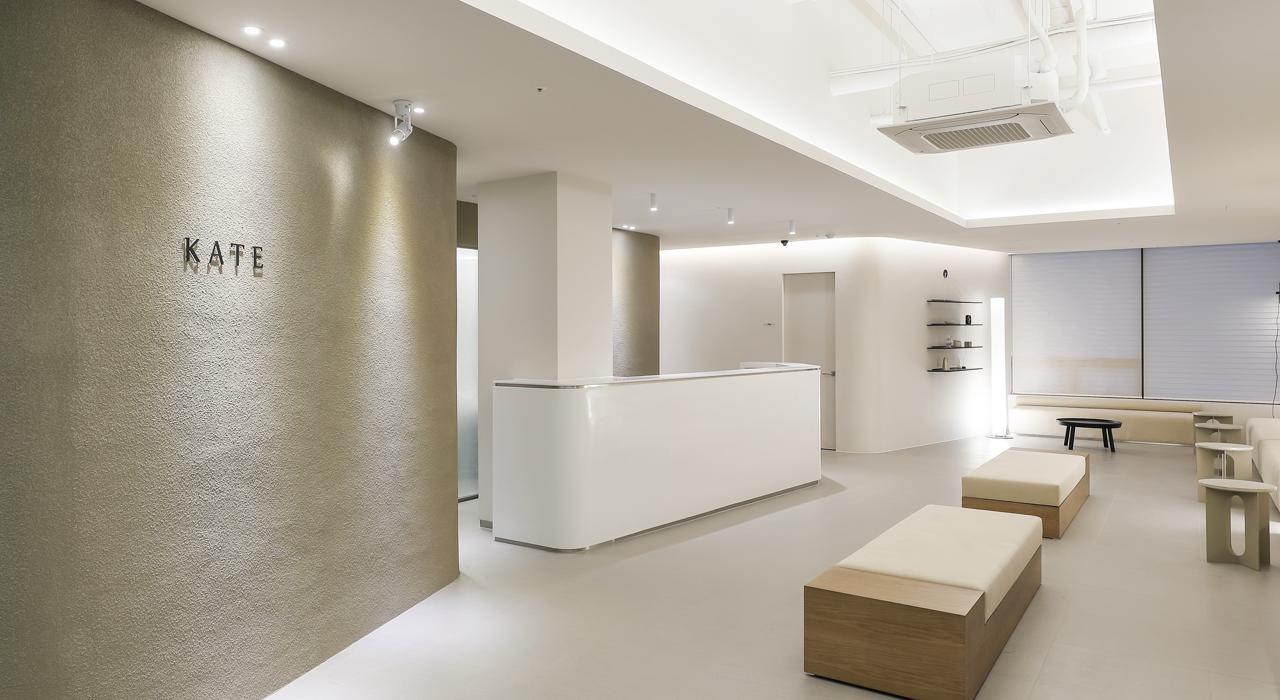
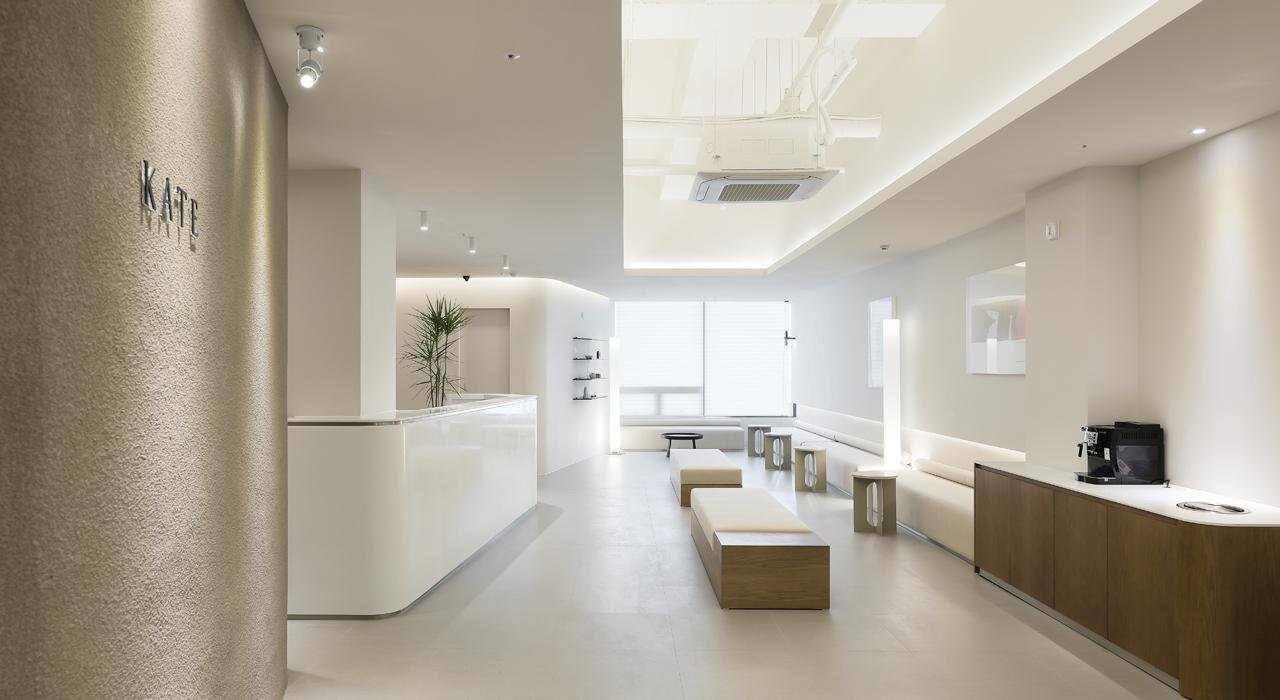
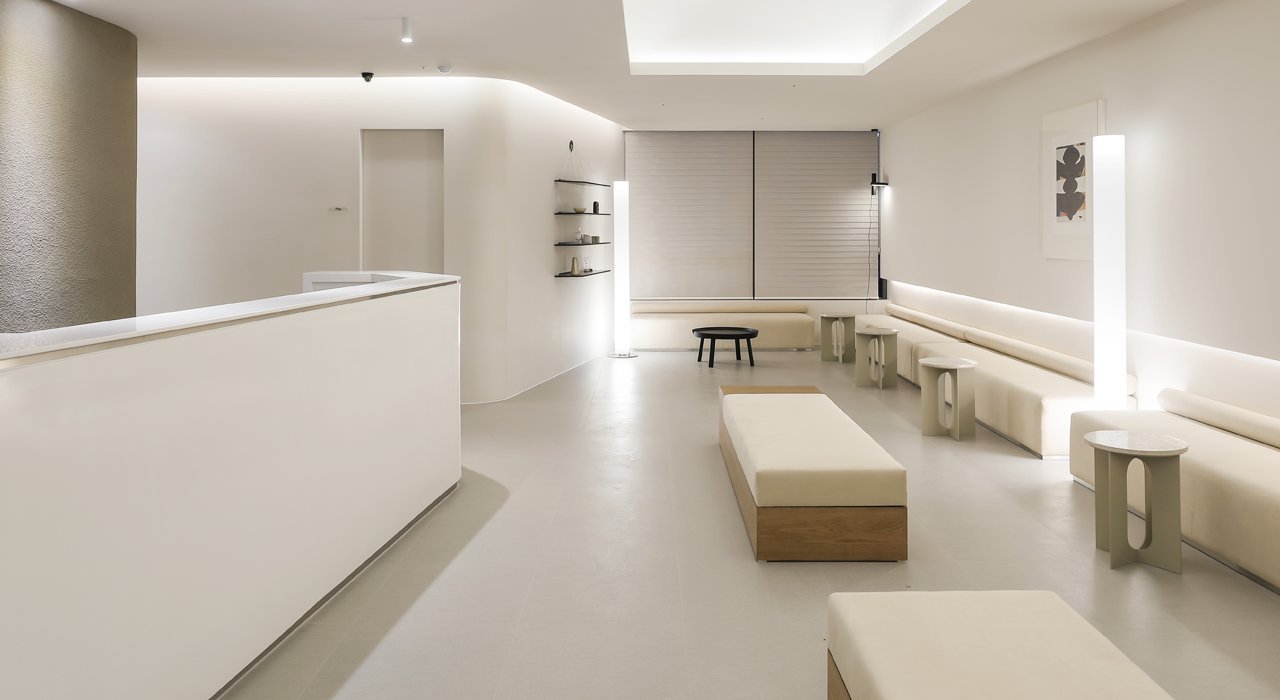
Hongdae Kate Dermatology (케이트피부과 홍대점) is located on the 7th floor of 148 Yanghwa-ro, Mapo-gu, Seoul, right near Hongdae Station, making it extremely convenient for access. This clinic specializes in laser treatments and skin care services. Common procedures include facial cleansing lasers, whitening lasers, and Pico treatments. They offer Chinese-speaking services and are particularly welcoming to foreign tourists.
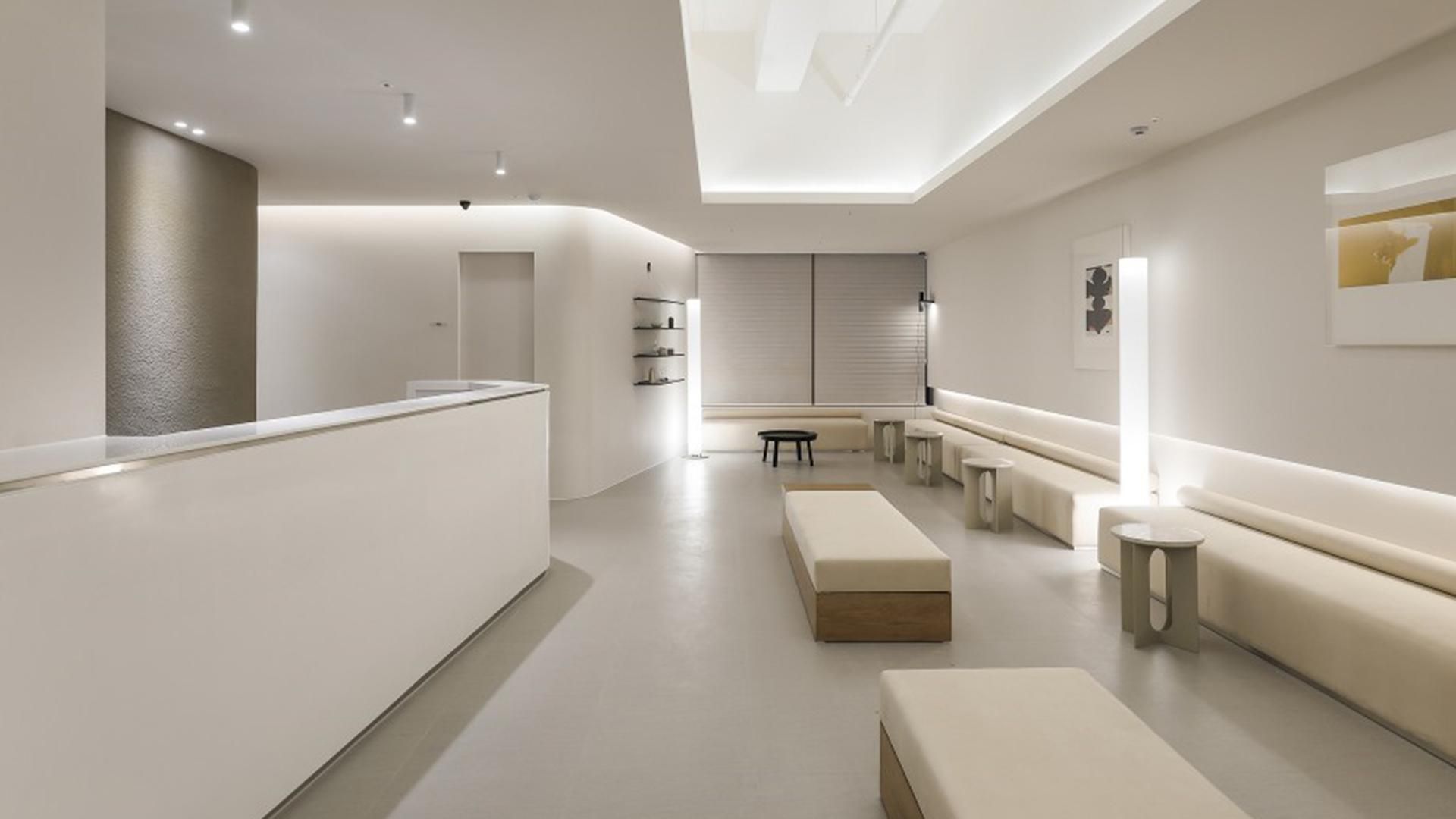
Foreign tourists can directly make reservations in Traditional Chinese through BeautsGO, eliminating the need for language barriers. After a successful reservation, on the day of the appointment, they simply need to present the confirmation details, and all the staff at the clinic provide assistance in Chinese.
Precautions for undergoing laser skin treatment in Seoul – there were several things I didn’t consider back then.
The main differences between undergoing laser skin treatment in South Korea and in Taiwan, apart from the price, include several other details that are worth knowing in advance:
- Preparations: Avoid excessive sun exposure at least 2 weeks before the treatment. If your skin has any obvious sunburns or wounds, be sure to inform your doctor.
- Bring the pharmacy receipt: It is possible to apply for a tax refund for medical beauty treatments in South Korea, but you must keep the receipt. Some clinics do not offer tax refunds; it is recommended to confirm this before making an appointment.
- Sun protection after the procedure is extremely important: The ultraviolet radiation in South Korea is stronger than that in Taiwan. After the laser treatment, the skin becomes more sensitive to ultraviolet rays, so be sure to apply sunscreen with an SPF of 50 before going out.
- Language issue: When booking through BeautsGO, Chinese-language services or translation assistance are usually available; if you book directly on your own, it is recommended to prepare the treatment name “피부레이저 (Skin Laser)” in Korean in advance, so that the medical staff can understand it more quickly.
- It is recommended to wait 2–3 days before flying again: Although there is no strict recovery period, the skin becomes more sensitive after the laser treatment. If you need to take a long-distance flight the next day, your skin may feel dry and uncomfortable, so it’s better to allow an extra day for recovery.
Overall, Dermatology doctors in South Korea are highly proficient in performing skin cleansing laser treatments, and the treatment procedures are very efficient. Coupled with reasonable prices, these treatments make it an excellent addition to any travel itinerary to Seoul.
FAQs about Common Issues with Skin Resurfacing Laser Treatments
Q1: Can fractional laser treatment and Pico laser treatment be done together?
Sure, but it is generally recommended to wait for at least 4 weeks between the two treatments. The mechanisms of action for these two treatments are different; it is better to undergo the Pico treatment after the skin has stabilized following the first procedure. Some clinics in South Korea offer combined packages of “skin cleansing + Pico treatment,” which provide good value for money.
Q2: Will laser treatments for clearing the skin make it thinner over time?
This is a common misconception. Properly performed skin-resurfacing treatments with lasers do not cause the skin to thin out; on the contrary, they stimulate the regeneration of Collagen, resulting in a slight increase in skin firmness. The key is to ensure that the procedure is carried out by a licensed Dermatology specialist with properly set laser parameters.
Q3: How many treatments are generally required for effective results with laser skin treatment in South Korea?
Most people start to notice noticeable results after the 3rd to 4th treatment. It is generally recommended that a course of treatment consist of 4 to 8 sessions. For maintenance purposes, once every 1 to 2 months is sufficient.
Q4: What documents are required for foreigners to undergo skin resurfacing treatments with lasers in South Korea?
Only a passport is required; no additional documents are needed. Some clinics will ask you to fill out a basic health information form during your first visit, which is usually available in both Chinese and English.
Q5: Which skin types are suitable for laser resurfacing?
Suitable for most skin types, especially recommended for those with dull skin, uneven skin tone, enlarged Pores, or mild melanin deposition. People with more sensitive skin are advised to undergo a patch test first; those with darker skin tones should inform their doctor, as the treatment intensity may need to be adjusted accordingly.
Q6: In which area of Seoul are there the most laser skin treatment clinics?
Gangnam and Hongdae are the two areas most frequently chosen by foreign tourists. Gangnam boasts a high density of Dermatology clinics, offering a wide range of options but at relatively higher prices; Hongdae, on the other hand, is easily accessible via public transportation (with direct connections to Hongdae Station), and many clinics there provide Chinese-speaking services specifically for foreign visitors, making them more user-friendly.
Q7: Can I wear makeup on the same day after having a facial laser treatment?
It is recommended not to wear makeup on the day of the treatment, allowing your skin to rest and undergo hydration and repair. If you must wear makeup, wait at least 4–6 hours after the treatment and use only mineral-based cosmetics or products without irritating ingredients. You can resume wearing regular makeup the day after.
Q8: Can the cost of laser skin treatments in South Korea be claimed as a tax refund?
Some clinics offer medical tax refund services; refunds can be claimed for amounts exceeding a certain threshold (usually ¥330,000 or more). It is recommended to inquire with the clinic at the time of payment and keep the receipt. For patients who make reservations through BeautsGO, the platform also provides relevant information on tax refunds for reference.
📅 立即預約 BeautsGO
Free consultation · Traditional Chinese language services · Quick reservation