Before flying to Seoul, I compared the costs of CO2 fractional laser treatments in Taiwan, Hong Kong, and South Korea. After seeing this table, I immediately saved the reservation link to my phone.

I spent a long time wondering whether I should go to South Korea for CO2 fractional laser treatment. My friends said the results were very good, but the recovery period seemed a bit long. Since there were also clinics offering this treatment in Taiwan, I wasn’t sure whether it was really worth the trip. In the end, I simply researched the costs of treatments in Taiwan, Hong Kong, and South Korea, and after comparing them all, I saved the reservation link for the Dermatology clinic in Seoul directly to my phone.
What is a CO2 Pico laser? How is it different from Pico lasers and skin-resurfacing lasers?
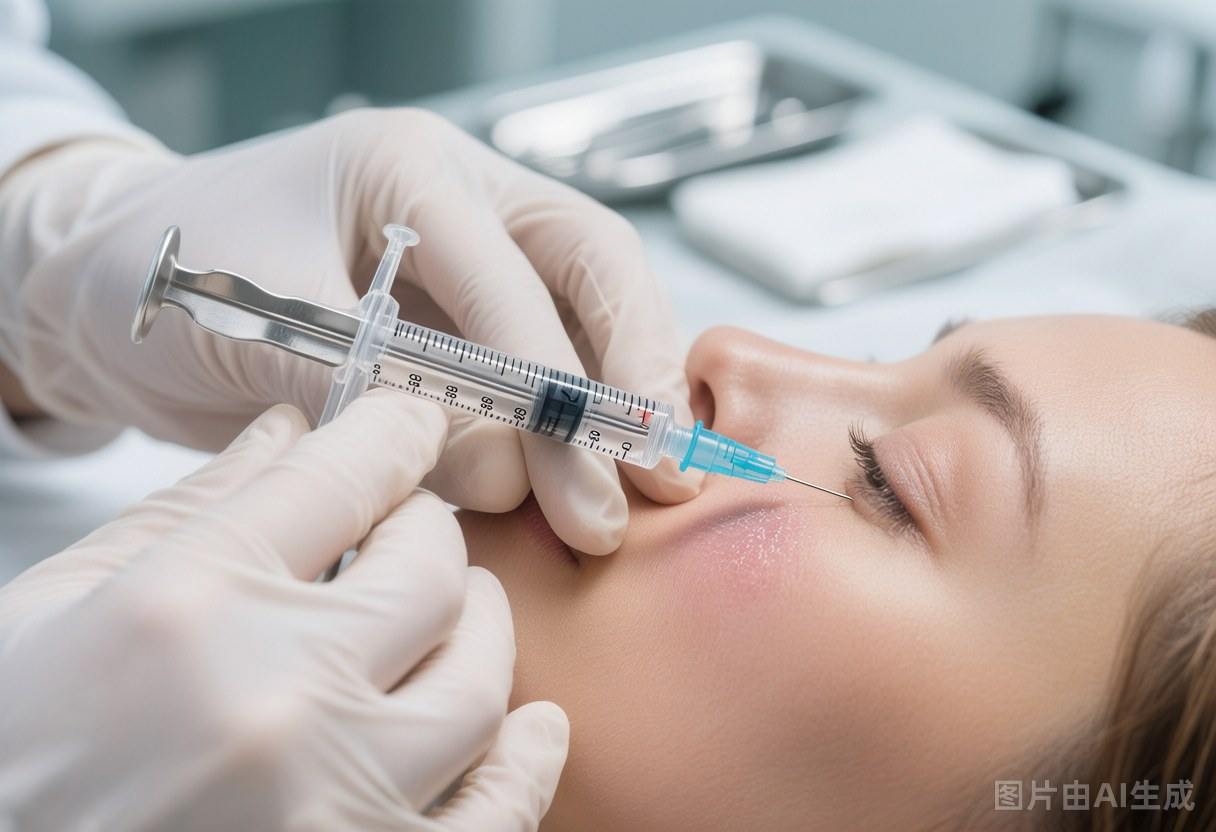
Fractional CO2 Laser uses a 10,600-nm carbon dioxide laser to create numerous tiny columnar holes in the skin, thereby stimulating the regeneration of Collagen and the remodeling of the skin. In simple terms, this process induces the skin to “self-repair after controlled damage.” During this process, old damaged tissue is replaced by new, tighter tissue, resulting in improvements in Pores, acne scars, and fine lines.
Compared with Pico and fractional laser treatments for skin cleansing, CO2 fractional laser belongs to the “ablation-type” lasers. In fact, it causes a certain degree of epidermal damage, so the recovery period is longer than that of non-ablation types (such as fractional laser and Pico treatments). However, the results are more significant – one treatment with CO2 fractional laser is equivalent to several Pico treatments, and it is particularly effective in treating acne scars, large Pores, and visible fine lines compared to non-ablation methods.
Currently, the mainstream CO2 laser models include:
- Active FX / Deep FX (Lumenis): A U.S.-branded treatment that provides precise fractional laser treatment across the entire face, with adjustable penetration depth.
- SmartXide DOT (DEKA): An Italian brand commonly used in Dermatology practices in South Korea, featuring uniformly stable energy delivery.
- Ultra Pulse CO2 (Lumenis): The most widely used model, combining ablation and fractional laser technologies.
- Fraxel CO2 (Solta Medical): Precise control through fractional heating, with a relatively short recovery period
How much does CO2 fractional laser treatment cost in South Korea? A comprehensive price comparison for 2026 in three regions
After comparing the prices in these three regions, it was clear that the costs in South Korea were significantly lower. The main reason for this difference is the fierce competition in Dermatology in South Korea, which leads to rapid depreciation and cost allocation of medical equipment. Additionally, the medical tourism policies in South Korea allow foreigners to enjoy the same prices as local residents.
| Types of treatments | 🇹🇼 Taiwan (NT$) | 🇭🇰 Hong Kong (HK$) | 🇰🇷 South Korea (₩) | South Korea, approximately NT dollars |
|---|---|---|---|---|
| CO2 Fractional Lifting for the Whole Face (Basic Package) | NT$6,000 to 12,000 | HK$3,500 to HK$7,000 | ₩200,000 to ₩350,000 | NT$4,800–8,400 |
| CO2 Fractional Lifting for the Entire Face (Advanced/Deep Treatment) | NT$12,000 to 20,000 | HK$7,000 to 14,000 | ₩350,000 to 600,000 | NT$8,400–14,400 |
| CO2 laser treatment for targeted areas (nose/chin) | NT$3,000–6,000 | HK$2,000 to HK$4,000 | ₩100,000 to 200,000 | NT$2,400–4,800 |
| CO2 laser array + Pico combined treatment | NT$15,000 to 28,000 | HK$9,000 to 16,000 | ₩450,000 to 800,000 | NT$10,800–19,200 |
Taking the advanced full-face treatment as an example, the cost of around ₩350,000 to 600,000 in South Korea is approximately NT$8,400 to 14,400 in Taiwan, which is 30% to 45% cheaper than in Taiwan. If you include the cost of airfare and accommodation for a 3- to 4-day trip to Seoul, the money saved on the CO2 laser treatment fees would just be enough to cover the transportation costs, meaning you could essentially get a free trip.
How many days is the recovery period after CO2 fractional laser treatment? What activities should be avoided after the procedure?
The biggest obstacle to CO2 fractional laser treatment is the recovery period, which is also the reason why many people hesitate to opt for it. Depending on the energy level used, the length of the recovery period can vary significantly.
- Basic coverage (20–30% coverage): Redness lasts for 2–3 days, peeling occurs within 3–5 days, and after about a week, you can go out without makeup.
- Moderate density (40–50% coverage): Redness will last for 3–5 days, while significant peeling and crusting will occur over 5–7 days. It is recommended to allow at least 10 days for recovery.
- High-intensity full-layer treatment (60%+): Swelling may last for 7–10 days, while complete recovery typically takes 2–3 weeks.
In South Korea, Dermatology specialists generally recommend that foreigners opt for the “medium intensity” setting for CO2 fractional laser treatments. The results are already quite noticeable, and the recovery period is within 10 days, which is more convenient for those with travel schedules. If the treatment is scheduled to be done after returning to Taiwan, choosing a higher intensity setting is also completely acceptable.
Precautions after the procedure:
- Do not get it wet within 48 hours (some clinics allow gentle cleaning after 24 hours).
- Avoid wearing any makeup for one week (including all colored cosmetics except sunscreen).
- It is essential to strictly avoid sun exposure for at least one month, as UV radiation is the primary cause of post-treatment pigmentation.
- During the scabbing and peeling phase, you must avoid picking or scratching at the affected area—it’s really important to resist this temptation.
- Avoid sweating or exposure to high-temperature environments (such as during exercise, in saunas, or around hot pots).
- Use the repair dressings and moisturizers recommended by the clinic.
Which company in Seoul’s Dermatology field should I choose for CO2 fractional laser treatment? These factors were the final deciding factors for me.
In Seoul, clinics offering CO2 laser treatments are mainly concentrated in three areas: Gangnam, Hongdae, and Cheongdam-dong. When foreigners choose a clinic, they usually consider the following factors: whether the clinic provides Chinese-speaking services or translation, whether the equipment used is of mainstream models, and whether the prices are transparent.
Here are some clinics that have received positive reviews from foreign tourists that you may consider:
- Gangnam Peche Dermatology: Located on Gangnam-daero, this clinic is equipped with a full range of advanced technologies including HIFU, Thermage, Pico, and CO2 treatments. It also offers high-quality translation services, making it an ideal choice for foreigners visiting Seoul for the first time.
- Betterme Gangnam Dermatology: Located in Gangnam District, this clinic is renowned for its INMODE equipment. Foreigners can also schedule CO2 fractional laser treatments here, and the prices are transparent and clear.
- Hongdae Kate Dermatology: In the Hongdae area, laser treatments are their forte, and the prices are slightly more affordable than those in Gangnam. It’s also convenient to make appointments in Chinese.
- Theia Dermatology: Located on Gangnam-daero, specializing in pigmentation treatments and laser therapies. The CO2 fractional laser offers a variety of energy settings.
Personally, my final choice was to make an appointment through the BeautsGO platform, mainly because it offers services in Traditional Chinese. I could clearly explain my requirements in Chinese—such as the depth of my acne scars, the desired density of the treatment results, and the estimated recovery time—without worrying that language barriers might affect the treatment outcome.
South Korea’s CO2 laser technology vs Taiwan and Hong Kong: How much money can actually be saved by taking a flight?
Let’s do the math: Suppose you choose the full-face advanced CO2 laser treatment in Taiwan (costing NT$15,000) compared to South Korea (₩450,000, which is approximately NT$10,800), you can save NT$4,200 right away. If you also opt for additional localized treatments, the savings will be even greater. The round-trip airfare costs around NT$6,000–8,000, and 3-night accommodation expenses range from NT$4,000–6,000. Therefore, the total cost of traveling for this treatment is approximately NT$10,000–14,000.
At first glance, it might not seem like there are any savings, but several factors that can add value should be taken into consideration:
- In South Korea, it is also possible to achieve “higher density and deeper penetration” with the same cost; in Taiwan, however, achieving the same results requires paying at least 50% more.
- It can be combined with other treatments (such as hyaluronic acid injections or Pico treatments) to further reduce transportation costs.
- South Korean clinics upgrade their equipment every year, and the equipment is generally newer than that in Taiwan, ensuring better results.
- Seoul itself offers great value for money when it comes to tourism. Combining shopping trips with medical treatments makes the entire trip even more cost-effective.
If the purpose of the trip is not solely to undergo CO2 laser treatments but also to travel, South Korea is almost certainly a better choice. If you are only flying there for the treatments and then returning home immediately, it is recommended to undergo 2–3 different treatments during the same visit in order to maximize the value of your trip.
📅 立即預約 BeautsGO
Free consultation · Traditional Chinese language services · Quick reservation
FAQs about Common Issues with CO2 Fractional Laser Treatments
Q1: At what age is CO2 fractional laser treatment suitable for?
It is generally recommended that people over 20 years old undergo this treatment, as it is not advisable to do so during the active period of acne. The most common target group consists of individuals aged 25–45 who have scars from acne, Pores problems, or are experiencing early signs of aging. The older a person is, the slower the rate of collagen regeneration; therefore, it is recommended to perform the treatment in multiple sessions rather than all at once.
Q2: How many treatments with CO2 lasers are needed to see noticeable results?
Generally, one treatment is enough to see noticeable improvements. However, for deep acne scars or severe Pores issues, it is recommended to undergo 2–3 treatments, with each session spaced at least 3 months apart to allow sufficient collagen regeneration. The effects of each treatment will build upon each other, so there is no need to go for a more intensive treatment in just one session.
Q3: Will there be pigmentation after CO2 laser treatment?
It is possible, especially for people with Asian skin types (Fitzpatrick Type IV), who need to pay extra attention to sun protection after the procedure. South Korean clinics usually recommend using SPF 50+ sunscreen strictly for one month after the treatment and combining it with prescribed whitening serums to reduce the risk. People with darker skin are advised to consult a doctor first to determine the appropriate settings for the device.
Q4: Is CO2 laser similar to fractional laser (Fraxel)?
They are not exactly the same. CO2 fractional laser uses CO2 wavelengths and belongs to the ablation type, which causes relatively more damage to the epidermis; Fraxel comes in both ablation types (Fraxel CO2) and non-ablation types (Fraxel Restore, 1550nm). In South Korea, when people refer to “CO2 fractional laser,” they usually mean the ablation type. It is more effective than Fraxel Restore but also requires a longer recovery period.
Q5: Is it safe for foreigners to undergo CO2 fractional laser treatment in South Korea?
Dermatology doctors in South Korea are all certified specialists in this field. CO2 laser treatment is a standard procedure, and its safety is well-established. It is recommended to choose a clinic that has medical tourism certification and provides translation services. Before the procedure, make sure to clearly explain your skin condition and expectations, and follow the clinic’s post-treatment care instructions.
Q6: If I have undergone CO2 fractional laser treatment in Taiwan, can I still go to South Korea for “further treatment”?
Sure, but an interval of at least 3 months is required to ensure that the previous collagen remodeling process has been completed. South Korean doctors can adjust the treatment parameters based on your previous experience and provide more targeted treatments. It is recommended to bring along the records or photos of your previous treatments during the consultation.
Q7: Will CO2 fractional laser treatment make the skin “thinner”?
No. CO2 laser treatment stimulates the regeneration of collagen in the dermis, actually making it thicker and more dense. The claim that “the skin becomes thinner” stems mainly from misunderstandings; while excessive treatment may indeed damage the epidermis, at normal frequencies and dosages, there is absolutely no need to worry.
Q8: How many hours after a CO2 laser treatment can I fly back to Taiwan?
It is recommended to rest for at least 1–2 days after the procedure before flying. The dry environment and low air pressure in the cabin are not conducive to the recovery of the skin’s barrier after the treatment. If you choose a medium-density treatment regimen, it is generally safe to fly on the third day after the procedure, as long as you take proper steps to keep your skin hydrated and protected from the sun.