Is the Onda microwave lipolysis device in Korea really effective? After visiting three dermatology clinics in Seoul, I finally figured things out.

“Is ONDA really effective?” This question bothered me for several months.
To be honest, nine out of ten posts I saw online were positive, but some people said the results varied from person to person and that choosing the wrong clinic could be a waste of money. With these doubts, I took the opportunity during a trip to Seoul to visit three dermatologists in person and finally figured things out.
What is ONDA? Why is it so popular in Korea?
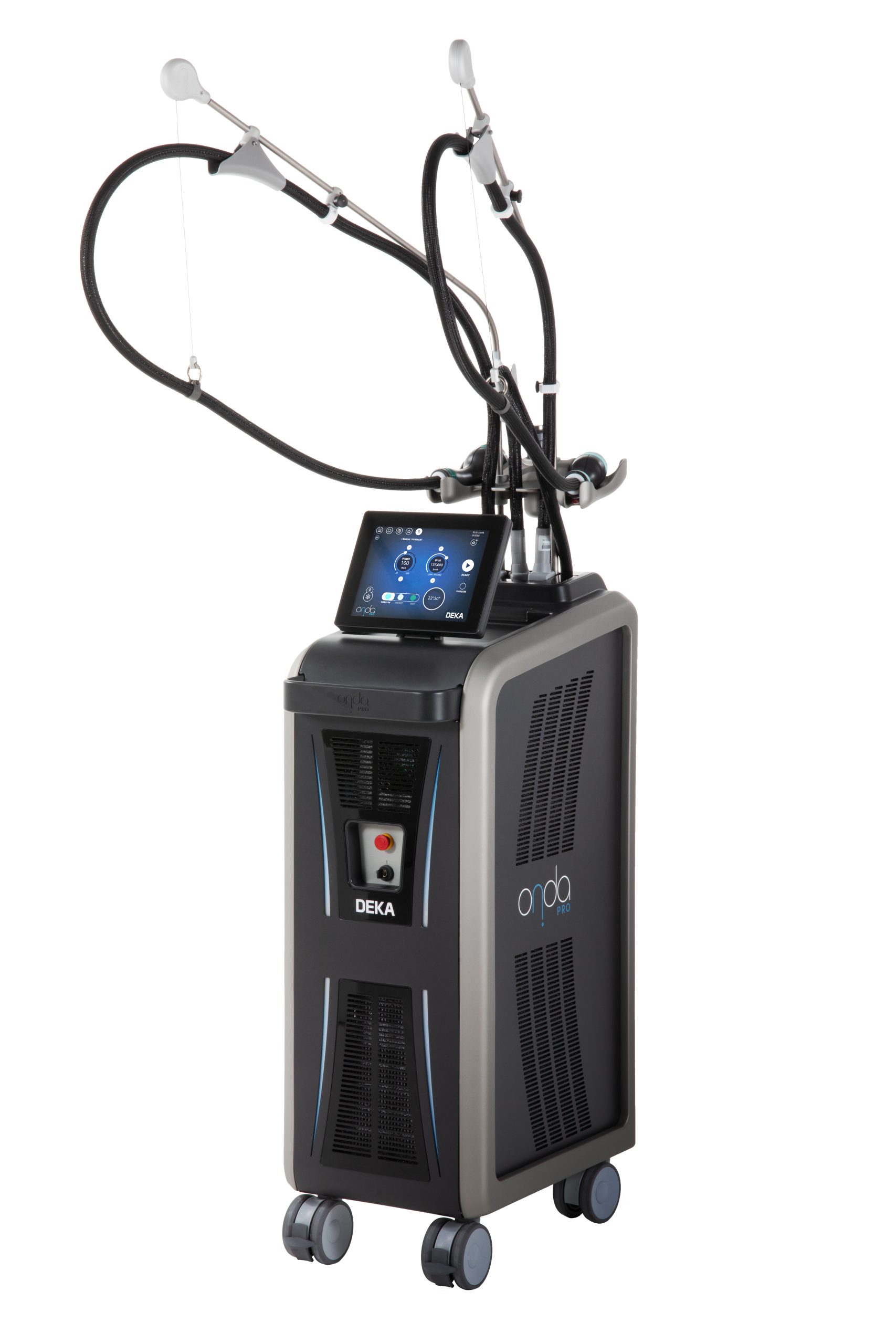
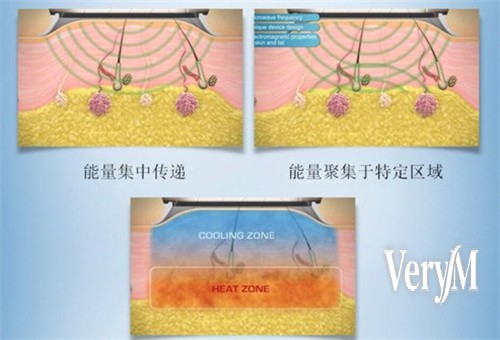
Let’s start by explaining how ONDA works. Developed by the Italian company DEKA, ONDA is a non-invasive treatment that uses “Coolwaves®” technology — 2.45GHz microwave energy that penetrates the skin surface and reaches the subcutaneous fat layer. This energy selectively destroys fat cells while stimulating collagen regeneration.
In simple terms, it simultaneously “melts fat” and “tenses the skin,” plus it helps improve the appearance of orange peel tissue. For those looking to enhance their facial contours, reduce double chin, or tighten their belly, this seems very appealing.
There are several reasons why ONDA is particularly popular in Korea:
- Almost no recovery time: After the treatment, there might be slight redness that disappears within a few hours, so it doesn’t interfere with travel plans.
- High comfort level: The device includes a cooling system, so the pain is much less than with treatments like Thermage or ultrasound.
- Immediate results: Especially for facial contours, you can see changes right after the treatment.
- Relatively affordable: Compared to Thermage, ONDA in Korea is usually more cost-effective.
Who is ONDA suitable for? I asked this during my consultation.
After visiting three dermatologists, my first question was always, “Is this treatment suitable for my condition?” The answers from all three doctors were largely consistent, which helped me understand who ONDA is best for:
Who is most suited for ONDA?
- People with normal weight but localized stubborn fat (double chin, sagging jowls, excess skin around the mouth, belly, thighs).
- Those with loose facial contours and blurred jawlines who do not want to undergo surgery.
- Those who wish to achieve both skin tightening and fat reduction in one treatment, rather than having two separate procedures.
- Those who require a quick recovery period—e.g., needing to return to normal activities on the same day or the next day after the procedure.
Cases where the effects of ONDA are limited or not recommended.
- People who are significantly overweight: ONDA targets localized fat; significant weight loss requires other approaches.
- Those with severe skin laxity: It is recommended to combine ONDA with other lifting treatments.
- Pregnant women, those with a pacemaker, or those who have metal implants: contraindicated.
One doctor in Jiangnan said directly, “If you’re looking for significant weight loss, Onda isn’t the right option for you. But if you want to improve your facial contours, reduce double chin, or target specific areas, Onda is indeed a great choice.” I think this statement is quite honest.
How much does Onda cost in Korea? The prices vary greatly among different clinics.
This is the most important point I learned during my research: the pricing system for Onda in Korea is different from that in Hong Kong and Taiwan. It’s based on “energy in joules (kJ/J)” rather than the number of treatments or the area being treated.
For example, treating the entire face with 60 kJ of energy vs. 120 kJ of energy will yield very different results. However, some clinics only list “full face treatment once” without specifying the energy used. This is where people often get confused.
Based on the quotes I received during my inquiries, the approximate market prices are as follows:
| Area | Recommended energy level | Reference price in Korean won | Approximate equivalent in Taiwanese dollars |
|---|---|---|---|
| Facial contours (double chin + lip folds) | 30–60kJ | ₩300,000–₩500,000 | NT$7,000–12,000 |
| Basic facial treatment | 60kJ | ₩500,000–₩650,000 | NT$12,000–15,000 |
| Advanced facial treatment | 120kJ | ₩650,000–₩800,000 | NT$15,000–19,000 |
| Small area around the waist and abdomen | 100kJ+ | ₩700,000–₩900,000 | NT$17,000–21,000 |
⚠️ Note: The above table provides a reference range for clinic prices. The actual cost will also include pre-operative tests (such as the VISIA skin examination, which costs approximately NT$500–1,000) and post-operative care products. It is recommended to ask directly during the consultation: “Does this include the anesthesia fee? Do I need to purchase additional post-operative care products?”
3 common pitfalls when choosing a clinic
After visiting 3 different clinics, I have some valuable insights I would like to share:
Pitfall 1: Only looking at the price, without considering the energy level
A certain clinic in the Jiangnan region offered an extremely low price, but upon further inquiry, it turned out that they only used 30 kJ of energy for a “full face” treatment—which is even less than the minimum required dose. With insufficient energy, the effectiveness of the treatment is naturally reduced. When choosing a clinic, be sure to ask about the actual energy level displayed on the device during the procedure.
Trap Number Two: Believing in “the same equipment used by celebrities”
Some clinics promote the fact that “so-and-so celebrity has used their services.” I suggest approaching this promotion with skepticism—the celebrity may use the same equipment, but the practitioner, energy settings, and post-treatment care will likely differ, so the results cannot be replicated.
Trap Number Three: Failing to verify the qualifications of the practitioner
Korean dermatology clinics vary greatly in size. It is recommended to check the qualifications of the treating physician on the “Korean Association of Plastic Surgeons” website or the “Korean Dermatology Society” to ensure that they are licensed specialists, rather than nurses or assistants performing the procedure.
After undergoing the Onda treatment, how can I maintain its effects?
The doctor gave me some practical advice after the procedure, which I found very useful:
- Drink plenty of water: at least 2,000 ml per day to help with fat metabolism.
- Avoid high-sugar foods and alcohol, especially in the first month after the treatment.
- Engage in moderate aerobic exercise: brisk walking or swimming can help accelerate the metabolic benefits of the treatment.
- Sun protection and moisturization are essential: The skin can be more sensitive after an Onda treatment.
- 1-2 weeks after the procedure: Avoid saunas, hot springs, and intense exercise.
Additionally, the effects of Onda are gradual. Improvements in facial contours are usually more noticeable after the second session, as deep fat takes about a month to metabolize. Therefore, if you expect immediate results after just one treatment, you may be disappointed.
Common Questions (FAQ)
Q1: What is the difference between Onda and Thermage, and which one is better for me?
Their mechanisms of action are different. Thermage uses radiofrequency energy, primarily for skin tightening, while Onda uses microwave energy, offering both lipolysis and skin tightening effects. If your main goal is to tighten your face, Thermage might be more suitable; if you have localized fat issues such as a double chin or excess skin around the mouth and also want to tighten your skin, Onda is more effective. Of course, you can also combine both treatments.
Q2: How much does Onda cost in Korea compared to Hong Kong/Taiwan?
For example, a full-face treatment of 120kJ in Korea costs approximately NT$15,000–19,000 (including exchange rates); in Taiwan, the same treatment usually ranges from NT$25,000–40,000; in Hong Kong, it’s around HK$10,000–18,000. After deducting the costs of airfare and accommodation, the cost-effectiveness of getting the treatment in Seoul varies depending on individual circumstances. If you already have plans to travel there, it could be a good deal to include the treatment.
Q3: How many sessions are required for the best results?
Doctors generally recommend 3-5 sessions spaced 2-4 weeks apart. If you can only afford one session, it is advisable to choose a higher-energy option (such as a full-face treatment of 120kJ) for more noticeable results.
Q4: If I don’t understand Korean, can I still make a reservation on my own?
Large dermatology clinics usually provide Chinese translations, or you can make reservations via LINE/WhatsApp (which support Chinese). Additionally, booking a consultation at a Korean clinic through the BeautsGO platform is very convenient – the entire process is handled in Traditional Chinese, and you can just show up once the reservation is confirmed, without having to worry about language barriers.
In summary: Is it worth flying to Korea for Onda treatment?
Let me share my real experience. The Onda treatment itself is real, but the effectiveness largely depends on three key factors: choosing the right clinic, selecting the right energy type for the treatment, and proper post-treatment care – all of these are essential.
If you have plans to travel to Korea and are already going to Seoul, considering an Onda treatment is definitely worth it. However, if you are flying specifically for this treatment, it’s advisable to make sure you meet the necessary requirements and that your budget allows for 2-3 sessions, as the effect of a single session may not be sufficient to satisfy your expectations.
If you want to find out which Seoul dermatology clinics offer Onda treatments and provide services in Traditional Chinese, you can use BeautsGO to search and make reservations for free. Free consultations and full Chinese-language support will save you a lot of trouble.
📅 立即預約 BeautsGO
Free consultations · Traditional Chinese service · Quick reservations