Thread lifting or Thermage? I consulted with two dermatologists in Seoul, and their answers made me change my mind.

To be honest, I spent over half a year struggling with whether to go for thread lift or Thermage.
I read countless articles, and everyone seemed to say “it depends on your individual situation,” but no one really explained what that meant. So I decided to fly to Seoul and consult with dermatologists directly. To my surprise, the answers from two different clinics were pretty similar—but there was one detail that stuck out, and I want to share it with you now.
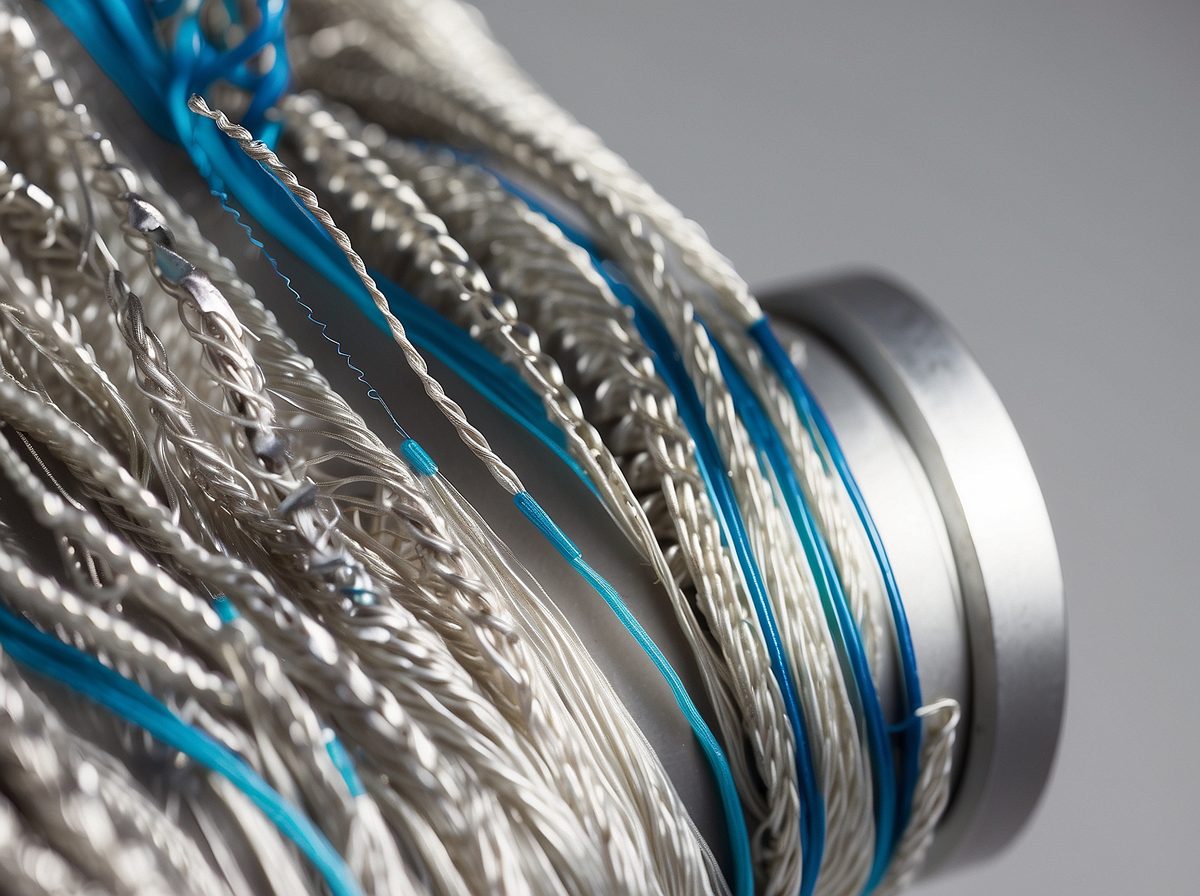
So, what exactly does thread lift do?
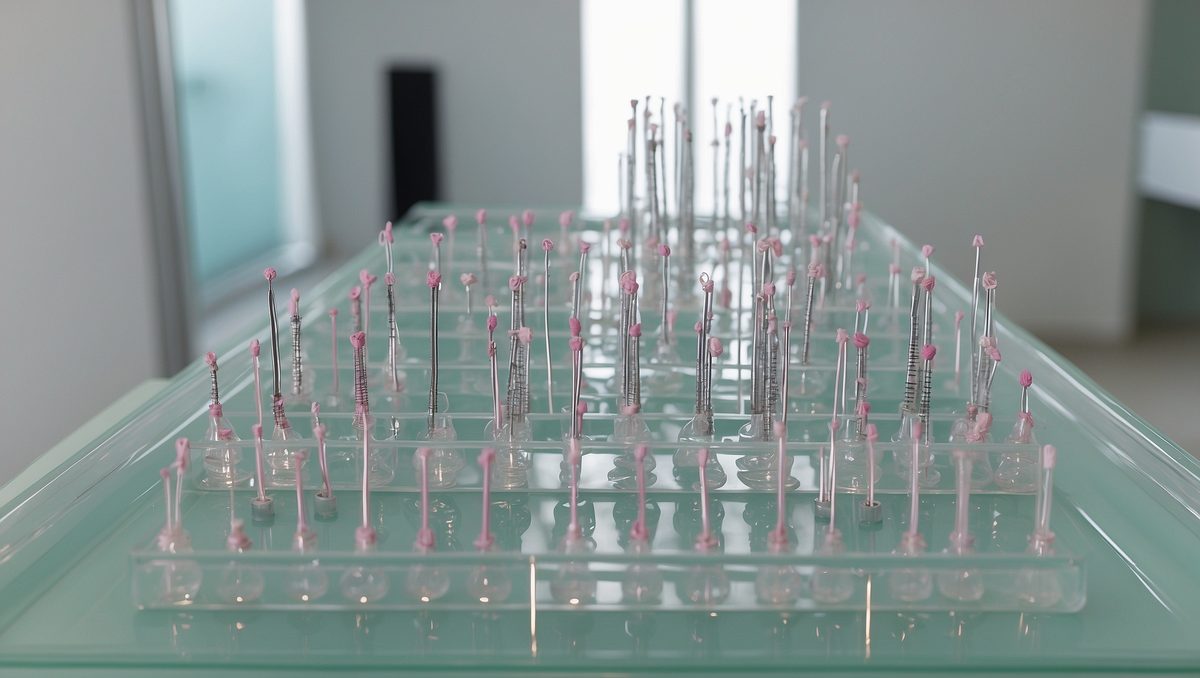
The official name for thread lift is “subcutaneous thread lifting” or “PDO thread therapy.” It works by inserting absorbable protein threads under the skin, where their barbed structure physically pulls back the loose tissues.
Sounds straightforward, right? It’s literally “lifting” the skin.
- Results: You can already feel the lifting effect almost immediately, and it becomes even more noticeable after the swelling subsides.
- Duration: The effects last around 12 to 18 months. Once the threads are absorbed, the results gradually fade, but since the procedure stimulates collagen production, there is still some lasting benefit.
- Recovery time: It may take a few days to a week for the area to become less swollen or bruised. You should avoid making exaggerated facial expressions and strenuous exercise during this period.
- Suitable areas: Drooping cheeks, sagging around the mouth (such as “marionette lines”), and blurred jawlines.
Dr. A, the dermatologist I consulted in Seoul, said something that really resonated with me: “Thread lift changes the structure of the skin, not its quality. If your main concern is thinning or loss of elasticity in your skin, thread lift might not be the best option for you.”
II. Thermage FLX works using a different mechanism
Thermage uses radiofrequency energy to penetrate deep into the dermis, causing collagen to contract due to heat and simultaneously stimulating the production of new collagen.
The results come from within the skin, not from external forces “pulling” it up.
- Effect timeline: Results gradually peak 2 to 6 months after treatment; there is no immediate effect.
- Duration of effects: Approximately 1 to 2 years
- Recovery period: Almost none; mild redness subsides within a few hours, and you can return to normal activities the next day.
- Suitable for: Skin that has begun to loose its firmness, fine lines, or less-defined contours, but where the sagging is not severe.
Dr. B added, “If your skin is already thin, I would recommend Thermage or ultrasound instead. The threads need enough tissue thickness to remain secure; too thin skin may cause the threads to become visible or reduce the effectiveness of the treatment.”
III. Thread lift vs Thermage: A side-by-side comparison
| Comparison items | Thread Lift | Thermage FLX |
|---|---|---|
| How it works | Physical lifting with protein threads + collagen stimulation | Radiofrequency heat stimulates collagen contraction and regeneration |
| Speed of results | ⚡ Immediate results (more noticeable after swelling subsides) | ⏳ Gradual effects (2–6 months) |
| Effect maintenance | 12–18 months | 1 to 2 years |
| Recovery period | 3 to 7 days (may experience bruising and swelling) | Almost none (within a few hours) |
| Invasive | Minimally invasive (requires puncture and radiation) | Non-invasive |
| Most suitable | Chin drooping, loose skin around the mouth, blurred jawline | Skin begins to loosen, develops fine lines; prevents aging |
| Not suitable | For those with very thin skin (the threads may be visible) | For those with severe sagging (the effect will not be sufficient) |
| Reference prices in Korea | ₩800,000 to ⩾₩2,500,000 (depending on the number of threads used) | ₩3,000,000 to ⩾₩4,500,000 (for the entire face) |
IV. The key question: Which one should I choose?
Based on what the two doctors said, I have compiled the following logic for making a decision:
Choose thread lifting if you fall into these categories:
- If the flesh around your cheeks or mouth has already begun to sag significantly, and this is noticeable from both the side and front
- The jawline becomes blurred, and the facial contours are not clear enough.
- I want to see results immediately; I don’t want to wait 2–3 months.
- My skin has a certain thickness; it’s not very thin.
- I am willing to accept a short recovery period (it’s recommended to take a few days off after the treatment).
If you fall into this category when considering Thermage treatment:
- The degree of sagging is mild to moderate; there is no significant drooping.
- The main issues are decreased skin elasticity, fine lines, and thinner skin.
- My skin is already relatively thin and sensitive.
- I prioritize not having a recovery period; I can go back to work right after the treatment.
- I want the effects to last for a long time (more durable than just temporary improvement in the lines).
Of course, many people ask: Can they be done together?
The answer is yes, but it is usually recommended to do them at different times. A common combination is to first undergo Thermage treatment to improve skin quality, and then have thread lift a few weeks later—Korean dermatologists say this results in the best balance of effects.
Five, Korean Thread Lift vs Thermage: The Cost Difference Is Significant
This is the aspect that many people are most concerned about. First, let’s clarify an important point: The cost of thread lift depends mainly on the number of threads used, while Thermage costs are based on the number of treatment sessions.
Reference Prices for Korean Thread Lift (Seoul)
- Minor lifting (20-30 threads): ₩9.8 million to ₩91.2 million (approximately HK$4,600 to $6,900 / NT$19,000 to $28,000)
- Standard package (40-60 threads): ₩91.5 million to ₩92 million (approximately HK$8,600 to $11,500 / NT$35,000 to $47,000)
- Advanced full-face package (80 threads or more): Over ₩92 million to ₩93 million
Reference Prices for Korean Thermage FLX (Seoul)
- Full-face standard package (900 treatments): ₩93 million to ₩93.8 million (approximately HK$17,200 to $21,800)
- Full-face treatment (1,200 threads): ¥93.8 million to ¥94.5 million (approximately HK$21,800 to $25,800)
- Enhanced version for the eye area: ¥92 million to ¥92.8 million
Compared to Taiwan and Hong Kong, Thermage treatments in Korea are approximately 30% to 50% cheaper, which is why many people travel specifically for them. However, the cost difference for thread lift procedures is relatively smaller; the main advantages lie in the maturity of the technology and the quality of the threads used.
VI. Before going to Seoul for treatment, there are a few things you need to clarify first

The biggest difference between receiving cosmetic treatments in Korea and in Taiwan or Hong Kong is the language barrier. Many dermatology clinics in Seoul offer English interpretation, but not all provide Chinese services. If it’s your first time, it’s recommended to use the BeautsGO platform for booking—this platform offers Traditional Chinese language support and will help you confirm the details of your treatment and arrange for interpretation, making the whole process much smoother and eliminating concerns about communication issues.
- Before having a thread lift, make sure to understand the type of threads being used: PDO threads (absorbed within 6–9 months), PLLA threads (prolonged effects), or PCL threads (12–18 months). Different materials result in different durations of effect, so be sure to ask clearly.
- For Thermage treatments, check the number of threads used: Some clinics may quote lower prices by using fewer threads, which will reduce the actual effectiveness. Generally, at least 900 threads are required for a full-face treatment.
- Don’t be pressured into additional treatments by consultants: Some clinics in Seoul may strongly recommend combo packages. You can start with just the treatments planned for your initial visit and consider adding more options later on.
- Post-treatment precautions: Avoid facial massages and exfoliation for 1–2 weeks after a thread lift; after Thermage, simply focus on keeping the skin well-hydrated and protected from the sun.
VII. FAQ: Quick answers to common questions
Q1: Can thread lifting and Thermage be done on the same day?
Technically, it’s possible, but most doctors recommend waiting at least 3–4 weeks between the two procedures. Doing them on the same day places more strain on the skin and may slow down recovery.
Q2: How soon after thread lifting can I see results?
You usually feel a lifting effect immediately, but the more natural results appear about 1 week after the swelling subsides. The effects become relatively stable after 2–3 weeks. The long-term benefits of collagen production are noticeable 2–3 months later.
Q3: Is one session of Thermage enough?
Generally, one session per year is sufficient to maintain the results. Some people choose to have additional sessions annually as part of their regular skincare routine, which yields better results than waiting until the signs of aging become more pronounced.
Q4: How should I choose between Ulthera and Thermage?
Ulthera acts at a deeper layer (reaching the SMAS fascia), providing stronger lifting effects and is more suitable for those with more noticeable signs of aging. Thermage primarily targets the dermis, focusing on overall skin improvement. If you have significant sagging, Ulthera is the better choice; for general skin rejuvenation, Thermage is more appropriate.
Q5: Can’t people with very thin skin get thread lifting?
It’s not that it’s “impossible,” but the results and safety risks are higher. In such cases, the threads may be visible on the skin’s surface, affecting the appearance. It’s recommended to have your skin thickness assessed by a doctor before proceeding. If there’s any uncertainty, Thermage is a safer option.
If I want to get this treatment in Seoul, what’s the most convenient way to make a reservation?
If you decide to undergo a thread lift or Thermage treatment in Seoul, we recommend making a reservation through BeautsGO. The platform offers services in Traditional Chinese and can help you choose the right clinic and confirm the details of your treatment, so you don’t have to worry about language barriers.
📅 立即預約 BeautsGO
Free consultation · Traditional Chinese services · Quick reservations