Must-Try Dishes in Jeju Island and Their Prices | Black Pig BBQ at 9,000 KRW per 100g, Abalone Ramen starting at 15,000 KRW – A List Recommended by Locals

The price range for must-try delicacies on Jeju Island is quite clear: black pig barbecue starts at around 9,000 KRW per 100g, while abalone ramen costs no less than 15,000 KRW per bowl. Add in another bowl of Jeju-style meat soup noodles at 9,000 KRW, along with street snacks from Dongmun Market that cost just a few thousand KRW, and you’ll be able to fully experience the local flavors of this island. Below is a list of places that locals actually frequent, detailing their prices, locations, and how to place orders.
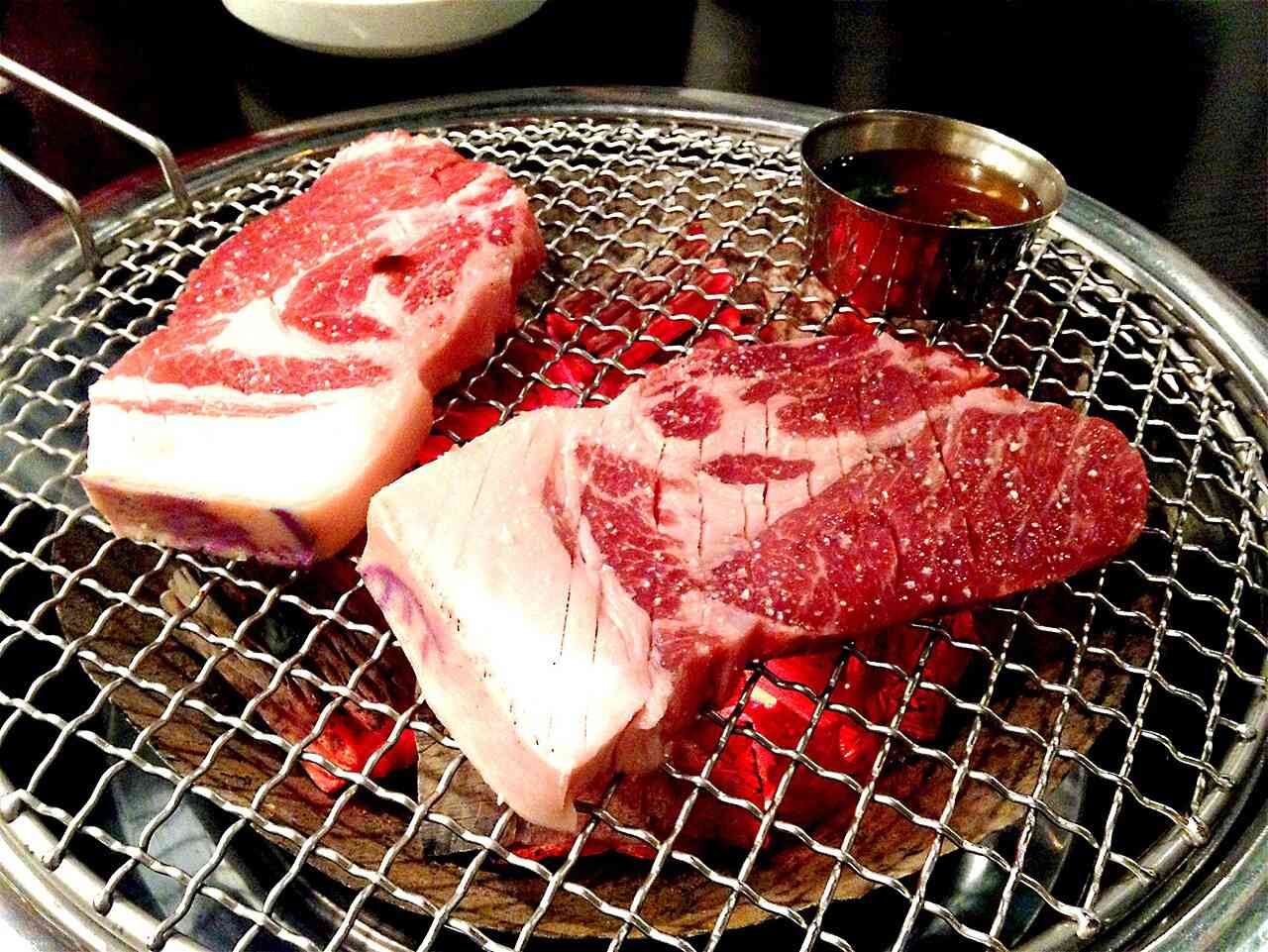
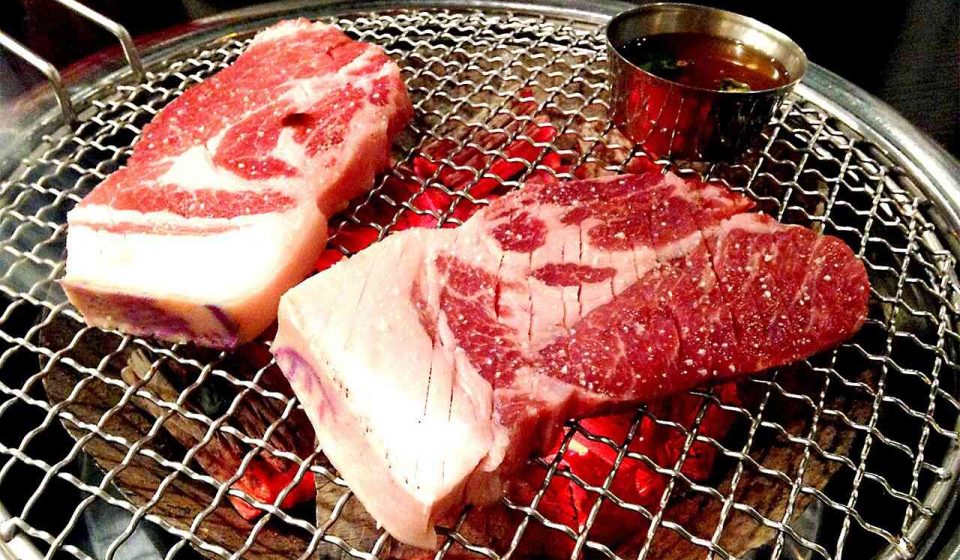
Jeju black pig barbecue: starting at 9,000 KRW per 100g – the most expensive in Korea, yet absolutely worth it
The price of Jeju black pig barbecue ranges around 9,000 KRW per 100g. According to the menu listings provided by VisitJeju in 2025, Mokpo Goeul is priced at 10,000 KRW per 100g (50,000 KRW for 500g), while Halla Chuksan Farm Restaurant starts at 6,800 KRW per 100g (with a minimum order of 300g). Most restaurants in the popular tourist areas fall within the 9,000–10,000 KRW range.
Jeju black pigs are truly different from other pig breeds: In 2015, South Korea’s Cultural Heritage Administration designated this breed as “Natural Monument No. 550.” Its lineage can be traced back 2,000–3,000 years, and its meat has a darker color with a distinct chewy texture. This is exactly why it’s so expensive—not just marketing fluff, but a breed recognized by the state for conservation purposes.
When ordering, make sure to choose “오겹살 (five-layer meat)”: The belly meat from Jeju’s black pigs has an extra layer of lean meat compared to the three-layer meat found on the main island. It’s cut thick (2–3 cm), and needs to be slowly roasted over charcoal fire to avoid getting burnt on the outside while remaining raw inside. Among the side dishes, the “멜젓 (fermented anchovy paste)” kept warm by the stove is a unique Jeju specialty — dip the meat in it and wrap it in perilla leaves; its salty and umami flavor is completely different from that of grilled meat on the main island.
- Budget reference: A meal for two costs around 60,000–85,000 KRW
- Location: Jeju City’s “Black Pig Meat Street” and the Jungmun area in Seogwipo offer the most choices
- Money-saving tips: Avoid popular tourist spots and look for shops where locals queue up—prices are often 1,000–2,000 KRW lower.
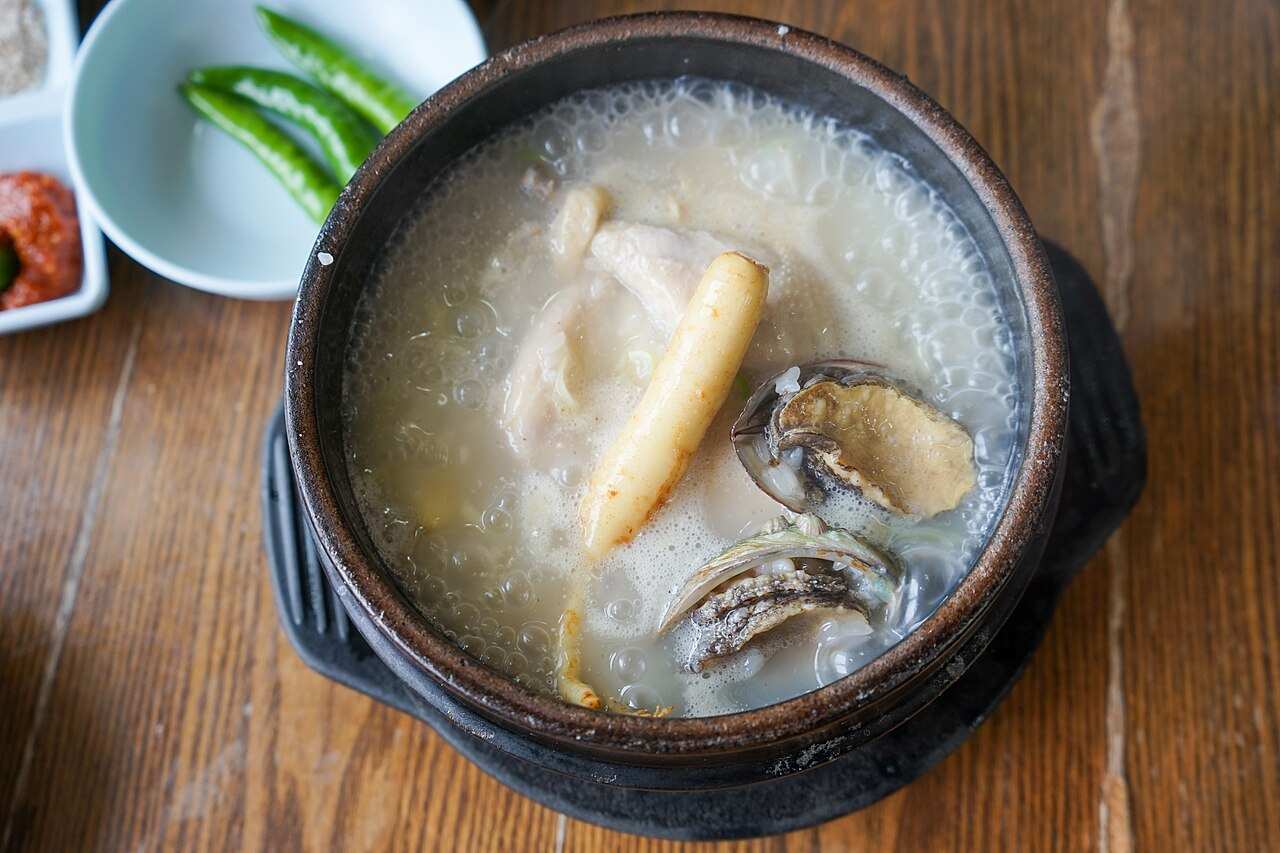
Abalone shaved noodles: starting at 15,000 KRW per bowl, with freshly caught abalone by sea women
The price of abalone knife-cut noodles (전복 칼국수) starts at 15,000 KRW. According to the food section of Jeju Tourism Organization and various price listings of restaurants, dishes made with abalone such as abalone porridge, abalone stone pot rice, and abalone knife-cut noodles generally cost between 12,000–15,000 KRW per bowl, with the “starting at 15,000 KRW” mentioned referring to the lower end of this range.
The freshness of abalones comes from the sea women of Jeju. In 2016, UNESCO listed the “Jeju Sea Women Culture” as an Intangible Cultural Heritage of Humanity. These divers who dive to 20 meters deep without oxygen equipment and collect seafood by hand are the key to the freshness of Jeju’s seafood—many of the live abalones served in restaurants end up on tables within just 24 hours after being harvested by these sea women.
How to choose between knife-cut noodles and abalone congee: Knife-cut noodles offer a refreshing soup-based dish with chewy noodle strands and a broth infused with the delicate scent of the sea. Abalone congee, on the other hand, features softly cooked rice grains that give it a greenish tint due to the abalone’s internal organs called gewut. It’s the preferred first meal for Jeju Islanders when entertaining important guests or aiming to boost their health. If you want something delicious without feeling overly heavy, knife-cut noodles are definitely the better choice.
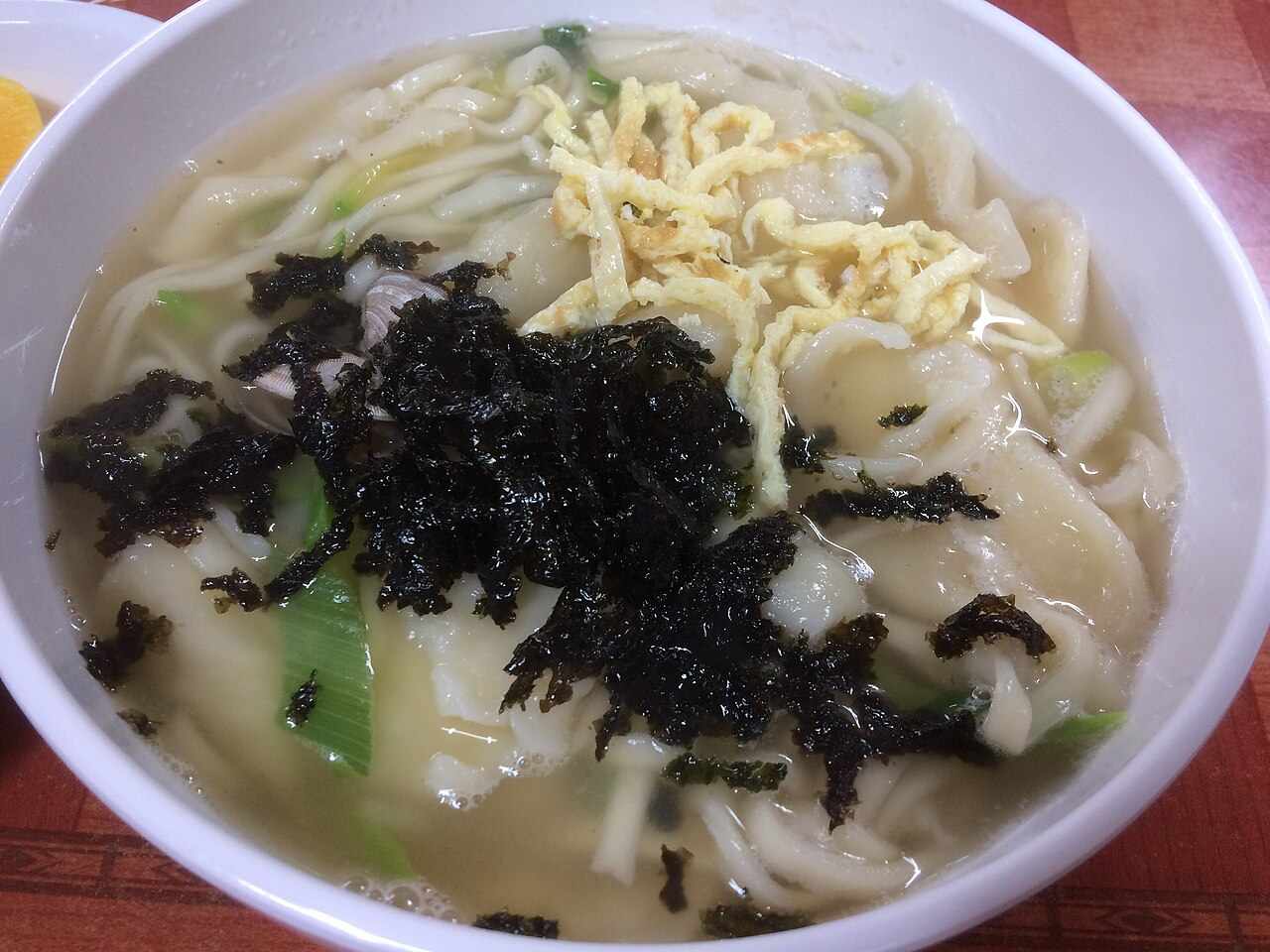
Jeju Meat Soup Noodles 고기국수: 9,000–11,000 KRW – a beloved national dish that islanders have enjoyed since childhood
Jeju meat noodle soup (고기국수) is the cheapest and most common option locally, costing between 9,000–11,000 KRW per bowl. According to the 2026 food price survey, the average price for a standard bowl of pork noodle soup (Gogi-guksu) falls within this range, making it much more affordable than black pig barbecue, while still offering a generous portion size.
The soul of this bowl of noodles lies in its milky broth made from pig bones: prolonged simmering results in a rich yet oily-free soup. topped with a few slices of boiled pork and a sprinkle of green onions, along with pickles and side dishes available for self-service, it embodies the taste that Jeju locals have enjoyed since childhood. The “Noodle Street (Guksu Geori)” in Jeju City is home to over a dozen specialty shops, allowing visitors to compare them one by one while strolling around.
- Price: 9,000–11,000 KRW per bowl
- Recommendation: Explore the “Noodle Street” in Jeju City – each bowl costs no more than 11,000 KRW.
- How to eat it: First, take a sip of the broth, then pick up some pickles to eat alongside—it helps cut through richness and enhances flavor.
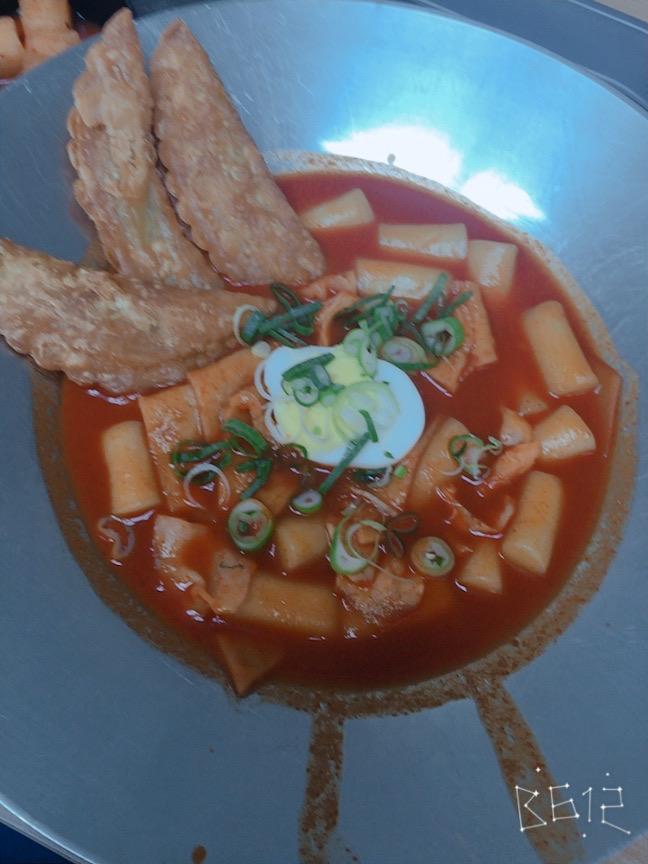
Snacks at Dongmen Traditional Market: Authentic local flavors for 3,000–5,000 KRW
Dongmun Traditional Market is the oldest local market in Jeju City. The price of snacks here usually ranges from 3,000 to 5,000 Korean won. According to Trip.com’s store information, Hallym Kalguksu (보말 칼국수) sold next to the market costs 11,000 Korean won per bowl, and nutrient-rich abalone porridge is also priced at 11,000 Korean won. Meanwhile, fried foods, rice vermicelli, and fish slice skewers available inside the market can satisfy your hunger for just a few thousand Korean won.
The fun of visiting this market lies in eating while strolling around: steaming eomuk soup, freshly fried sundae, and knife-cut noodles topped with Jeju-exclusive bomal (sea snails) — only in such an old market can you taste the authentic version. It’s closed on Tuesdays and opens in the morning at other times, making it perfect for breakfast or as a stop before continuing your journey.
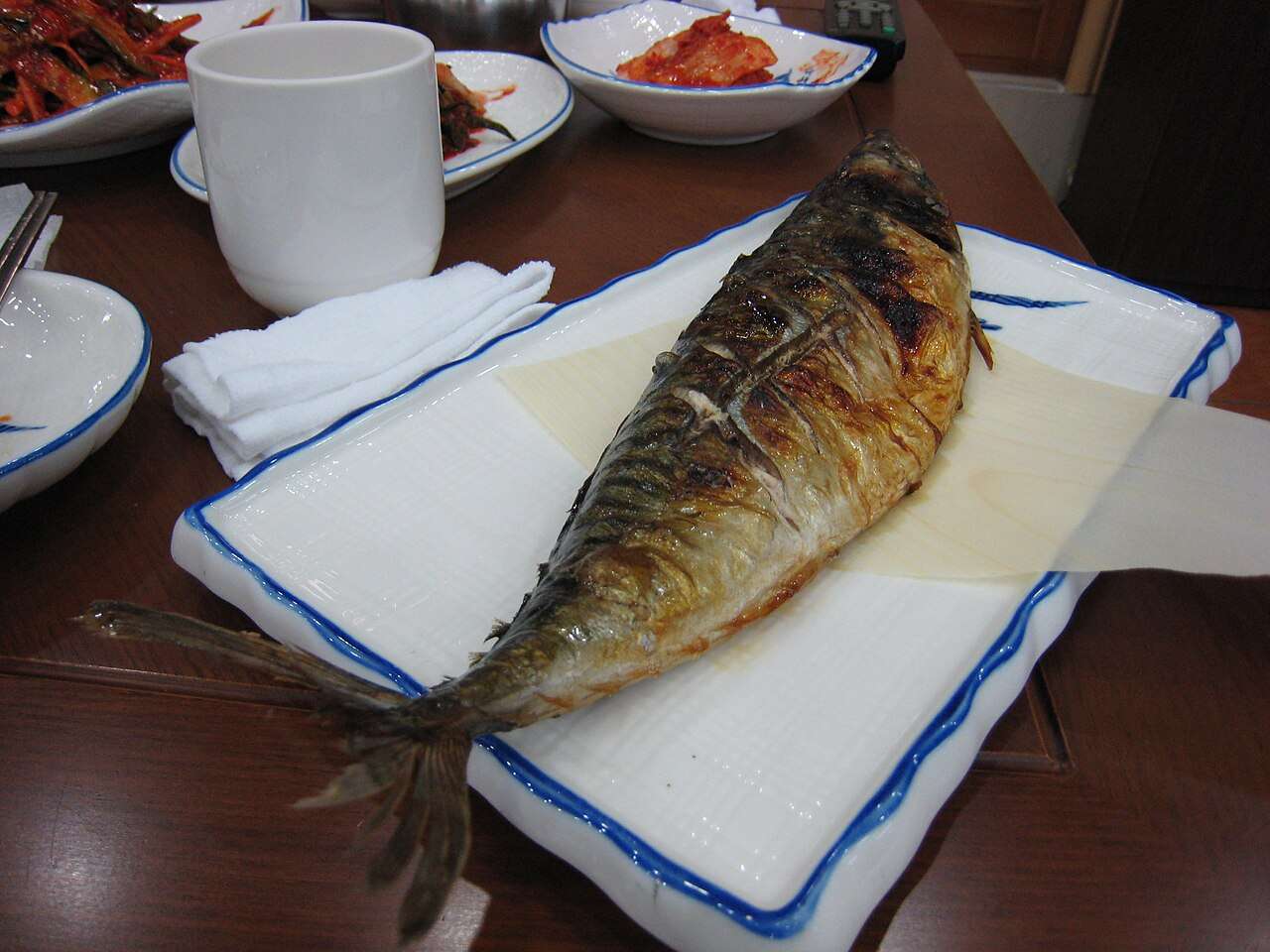
Jeju Seafood: Grilled herring and seafood ramen, fresh starting at 8,000 KRW
The entry price for Jeju seafood is quite affordable: seafood ramen (해물 라면) starts at 8,000 KRW. According to food reviews and store information, popular Jeju restaurants like Nolaba offer basic seafood ramen for 8,000 KRW, while the premium version with octopus costs up to 15,000 KRW. The broth is made from mackerel and kelp, and the portions are generous.
If you’re craving grilled fish, head to the harbor: a fresh piece of grilled mullet (갈치 구이), savory with a hint of oil, makes for a perfect meal paired with rice. If you want to try multiple types at once, ordering a seafood platter is more cost-effective than picking items separately. Being located by the sea, Jeju has abalone, sea urchins, and other seafood caught by local women fishermen that same day, available at prices lower than those in Seoul.
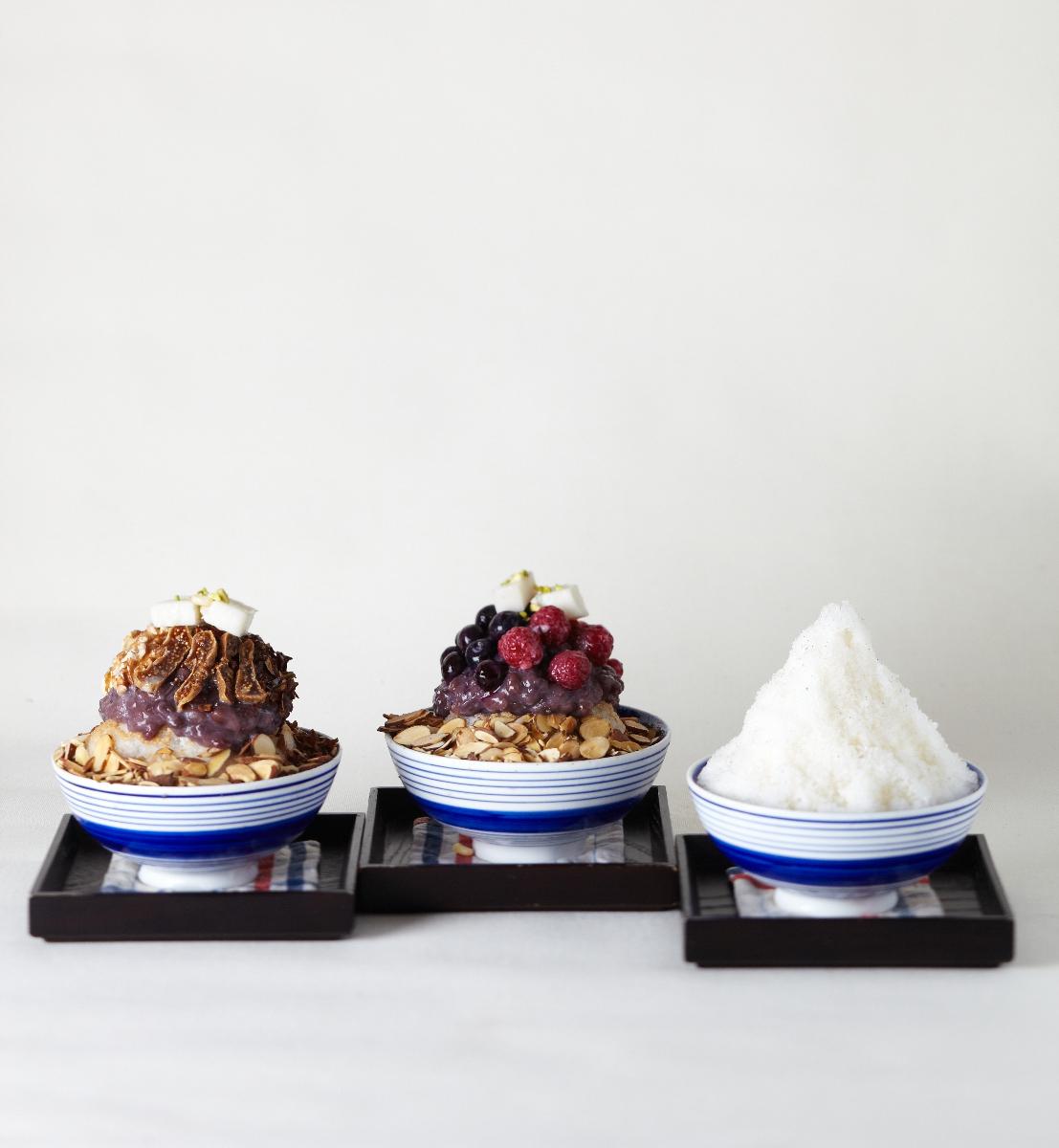
Jeju-exclusive desserts and drinks: Peanut Ice Cream and Hallasan – the top picks for souvenirs
There are two iconic desserts exclusive to Jeju: peanut ice cream and Hanra-bong. Peanut ice cream features a uniquely Jeju flavor with a rich peanut taste that’s not too sweet. You can buy a scoop in the tourist areas for around 3,000–5,000 KRW. Hanra-bong, on the other hand, is an orange variety cultivated in Jeju. It has thick skin that makes it easy to peel, with a sweet taste mixed in slight acidity. During the winter harvest season, a box of these as souvenirs costs anywhere from several thousand to over 10,000 KRW.
The most reliable choices to take home are Hallim Mountain products: juices, jams, and chocolate-filled Hallim Mountain treats. They have a long shelf life and won’t cause any issues at customs. If you want to enjoy them right away, just grab a ball of peanut ice cream—perfect for cooling off in summer or pairing with the sea breeze in winter. Both of these are souvenir items that “can only be found on Jeju.”

Local recommendations and FAQs: This is the easiest and most cost-effective way to eat it
Local residents in Jeju recommend a consistent dining plan for visitors: on the first day, enjoy grilled black pig to satisfy your craving for meat; the next day at noon, have some meat soup noodles or abalone shaved noodles to give your stomach a break; in the evening, stroll around Dongmun Market while snacking; and on the last day, take Hallasan as a souvenir. There’s no need to rush with this itinerary, and you can enjoy a satisfying meal for just 30,000–50,000 KRW per day.
| Must-try items | Price range (KRW) | How Locals Do It |
|---|---|---|
| Grilled Black Pig Meat | Starting at 9,000 per 100g | What about 오겹살, five-layer pork, + 멜젓 dipping sauce? |
| Abalone Sliced Noodles | Starting from 15,000 | Choose knife-cut noodles if you’re worried about getting bored, and abalone congee if you want to nourish your body. |
| Jeju Soup Noodles | 9,000–11,000 | Go to “Noodle Street” and compare shop by shop |
| Dongmen Market Snacks | 3,000–5,000 | Eat fish slices and rice vermicelli while strolling around |
| Seafood Ramen | Starting from 8,000 | Add Octopus Version for 15,000 – the most thrilling! |
| Peanut Ice Cream / Hanal Peak | Starting from 3,000–5,000 | Eat ice cream now and grab a Hanal Peak souvenir |
Q1: Which restaurant charges 9,000 KRW per 100g for black pork barbecue?
9,000 Korean won is the average lower bound for shops in the tourist areas, not a fixed price for any single store. Mokpo Goeul is listed at 10,000 won per 100g, while Halla Chuksan starts from 6,800 won per 100g. The actual price will vary depending on the menu at each shop. It’s best to check the latest prices using apps like Catch Table before you go.
Q2: What’s the difference between Abalone Knife Cut Noodles at 15,000 KRW and abalone congee?
The prices of both dishes are in the same range (12,000–15,000 KRW). Dosirak is a light noodle soup with chewy noodles, while abalone porridge is made from softened rice and has a nourishing effect. If you’re visiting Jeju for the first time, want to try seafood but are worried about strong flavors, go for dosirak. If you’d like to experience the local tradition of serving a special meal to honored guests, choose the porridge.
Q3: How much should I budget for meals if I go to Jeju for three days by myself?
Following the list above, you can have noodle soup with meat or street food for one meal a day (under 10,000 won), and grilled meat or seafood for one meal a day (30,000–50,000 won). The total cost for three days is around 90,000–120,000 won, not including souvenirs. If you want to save more, switch from grilled meat to noodle soup with meat as your main option — you’ll still be full even over five days.
Q4: Dongmen Market is closed on Tuesdays. Which other markets should I visit?
Dongmun Traditional Market is closed every Tuesday. If you want to avoid that, head to the “Noodle Street” in Jeju City or the seafood street by the harbor—both are open on weekdays. Schedule your visit between Wednesday and Monday to ensure you don’t end up with an empty trip.
Q5: Will the Hallasan souvenir be too heavy and difficult to carry?
Fresh Hanapepe fruit is heavy and prone to damage, making it unsuitable for long-distance shipping. It’s better to opt for Hanapepe juice, jam, or chocolate instead—these have a longer shelf life and are easier to transport. You can find them at airport duty-free shops and convenience stores, so there’s no need to bring back an entire box.
🔗 Planning a Self-Travel Trip to Korea / Medical Tourism
Traditional Chinese services • Transparent pricing • One-stop tour packages to South Korea
The prices listed above are compiled from VisitJeju, the Jeju Tourism Organization, as well as the publicly available menu and pricing information from various restaurants (data for 2025–2026). Actual prices may vary depending on season and exchange rates, so please check the latest announcements at the restaurant before your visit.