Going to South Korea for the first time to get medical beauty treatments? Not sure which procedure to choose? No surgery, no injections needed! Pain-free radiofrequency + beauty radiofrequency + HIFU — everything you need as a beginner in one comprehensive guide.

When going to South Korea for medical aesthetics for the first time, there are two things I’m most afraid of: surgery and injections. In fact, the safest entry points for beginners are non-invasive treatments that require neither surgery nor injections—such as painless radiofrequency therapy (Oligio) and HIFU. This comprehensive guide covers everything you need to know: what they are, how they differ, their costs, when results appear, and even outlines the procedure step by step for your first visit.
First, figure out: What’s the difference between radio waves and sound waves? Beginner’s first lesson
Both RF (Radio Frequency) and HIFU (Focused Ultrasound) work by tightening skin from the inside out, but they target different layers. RF uses radio frequencies to heat the dermal layer, stimulating Collagen production; HIFU, on the other hand, employs focused ultrasound to create heat-coagulated points in the SMAS layer that directly tighten the skin. Neither method requires surgery or injections.
In South Korea, the number of foreigners seeking cosmetic treatments has surged in recent years. According to statistics from the Ministry of Health and Welfare and the Korea Health Industry Development Institute, 1.17 million foreign patients visited South Korea for medical treatment in 2024, a year-on-year increase of 93.2%. Dermatology accounted for 56.6% of these cases, ranking first among all treatment categories. The number of Taiwanese patients visiting South Korea for such treatments even rose by 550.6% on an annual basis (Yonhap News, April 2, 2025). No wonder dermatology clinics can be found everywhere in Seoul’s Gangnam, Myeongdong, and Hongdae areas.
What is Oligio? Why is it called the “painless version of Thermage”?
PlayBeauty Radio refers to the Oligio monopolar radio wave developed by South Korea’s leading company WonTech, with a frequency of 6.78MHz. It has received triple certification from the U.S. FDA, EU CE, and South Korea’s KFDA. What makes it stand out is its built-in “intelligent cooling + vibration” system—cool on the surface and warm inside—resulting in significantly less pain compared to traditional Thermage, which is why it’s known as the “painless version of Thermage.”
A single treatment lasts around 30–60 minutes, with the cost for a full face typically ranging from 100 to 600 units. You can return to work and apply makeup right after the treatment, as there’s no recovery period needed. If you’re looking to tighten Pores, reduce a Double Chin, or address early signs of relaxation in the Nasolabial Fold Correction area, radio frequency therapy is one of the most accessible options available.
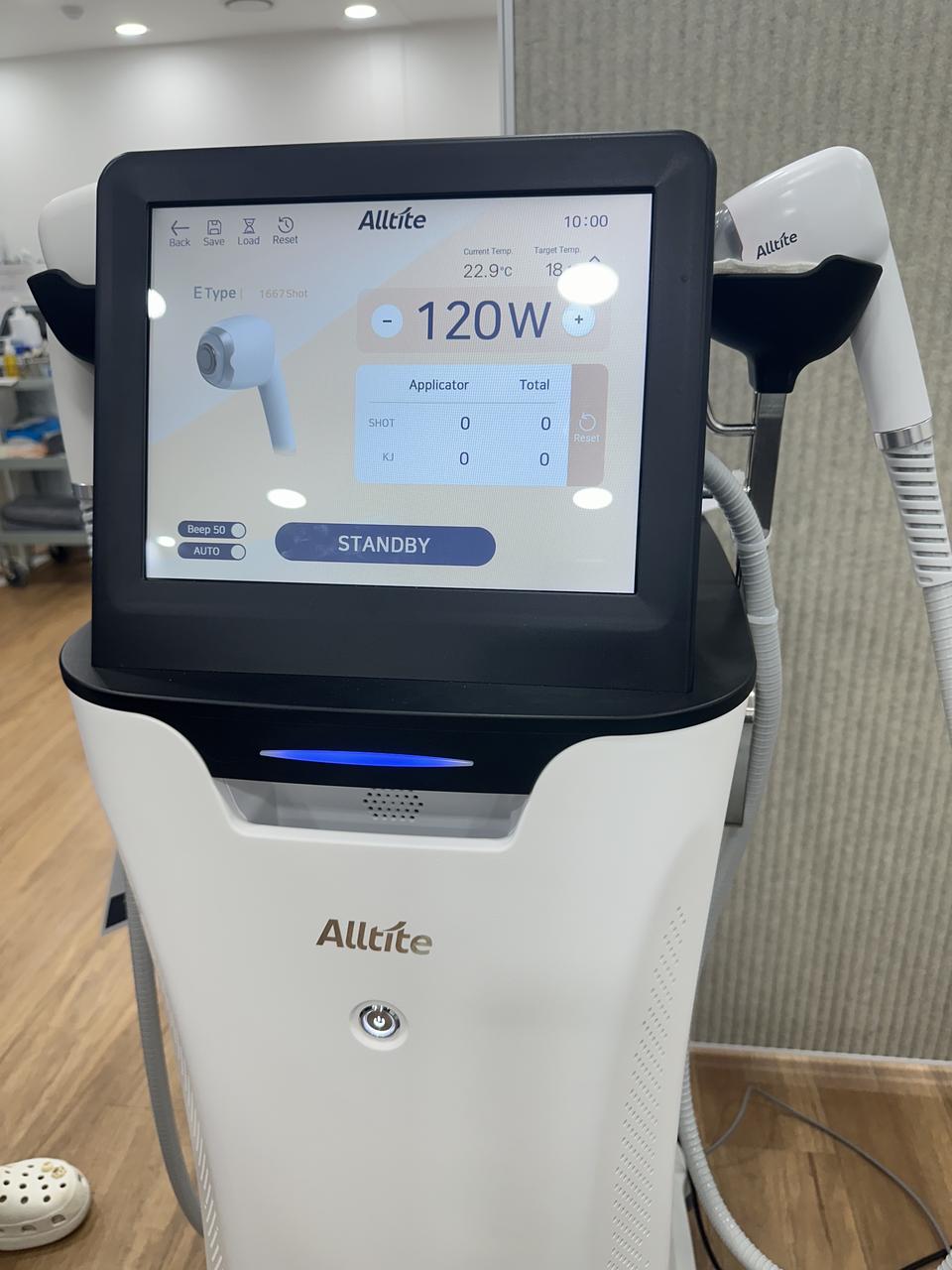
How does Ultraformer HIFU lift skin? Focused ultrasound targets the fascia directly
Haeve Wave is nothing other than HIFU (High-Intensity Focused Ultrasound). The probe generates heat coagulation points at around 65–70°C in the target layer, directly contracting the SMAS fascia layer and lifting the contours from within. With multiple probes of 4.5 / 3.0 / 2.0 / 1.5mm, treatment is carried out in layers from deep to shallow, targeting the jawline, cheek fat, and sagging Nasolabial Fold Correction.
The effects peak at 6–12 weeks due to collagen proliferation, with the most noticeable results appearing after 3–6 months. Generally, these effects last around 10–18 months (a commonly observed range in clinical practice). If you already have noticeable sagging and want to “redefine your facial contours,” ultrasound therapy is a better option than radiofrequency therapy.
Choosing for beginners? Radio waves vs sound waves – a side-by-side comparison to help you decide
The simplest way to decide: In the early stages of relaxation, if you want to improve skin texture and achieve mild firming effects, go with radio waves (PlayBeauty Radio Waves); if you have noticeable sagging and want to lift your facial contours, choose sound waves (Haeve). If your budget allows, you can combine both techniques—using radio waves for the surface layer and sound waves for the fascia layer—for even more pronounced IPCHEA results. Here’s a table that shows everything at a glance:
| Project | Play with Beautiful Radio Waves: Oligio (Radio Waves) | Heifei HIFU (Ultrasound) |
| Energy Principle | Monopolar RF at 6.78MHz to heat the dermal layer | Focus on the ultrasonic thermal coagulation point at 65–70°C |
| Layer of Action | Dermis layer to fat layer | Dermis layer to SMAS fascia layer (4.5mm) |
| Pain sensation | Low (Smart Spray Cooling + Vibration) | The fourth-generation MPT has seen a significant reduction |
| Duration of the treatment | About 30–60 minutes | About 30–60 minutes |
| Time to see results | Immediate slight tightening + best results in 2–3 months | Collagen peak at 6–12 weeks |
| Maintenance Period | About 6–12 months | About 10–18 months |
| Who is it suitable for | Initial relaxation, seeking firmer skin texture | Significant sagging, looking to lift the contours |
2026 Price Guide: How Much Cheaper is Cosmetic Surgery in South Korea Compared to Taiwan?
The prices of machine therapy treatments in South Korea are usually 30–60% lower than those in Taiwan and Hong Kong, a fact that has been verified through the price listings for InMode on our site. Below, we compare these rates with those in Taiwan and Hong Kong under the heading “Actual quotes published on this site,” with all figures backed by sources—no estimates involved.
| Treatment course | Reference price in South Korea | Reference prices for Taiwan/Hong Kong |
| US Version Ultrasound 200 Shots | ₩1.29 million (Seongsu NEWLINE) | Each HIFU treatment costs NT$55–100 (Taiwan pricing). |
| Thermage FLX 600 shots + US version ultrasound 300 shots + Rejuran 6cc | ₩3.9 million (Seongsu NEWLINE) | — |
| InMode FX Full Face Treatment | ₩79,000 (price as listed on this site for InMode) | — |
| Playful Radiance Oligio Full Face Treatment | Price is subject to the clinic’s daily quote (check instantly on BeautsGO). | HK$4,000–7,000 (Hong Kong market rate) |
Friendly reminder: The figures above represent a reference range for 2026. Actual prices may vary depending on the number of treatments, package options, and clinic promotions. It’s best to check prices using BeautsGO before you go to avoid unexpected costs.
It’s my first time going to South Korea for these treatments—what’s the process on the day?
What scares beginners the most is “not knowing what to do once they get there.” In fact, radio wave therapy is quite simple: schedule an appointment online or through BeautsGO → fill out a form and have your skin checked at the clinic → the doctor will assess your situation and determine the best treatment plan → undergo the radio wave/ultrasonic treatment → apply ice compresses to soothe the skin → then head back to your hotel. The whole process takes about 1.5–2.5 hours, no anesthesia is required, and you can put on makeup right after the treatment and go out.
Many Dermatology clinics in Seoul offer services in Chinese, so you don’t have to worry about communication during the in-person consultation. If you’d like to take advantage of the opportunity to shop around as well, you can schedule your appointment in the morning and head back to Myeongdong in the afternoon for meals and shopping—making it possible to complete everything in just one day. This is exactly why so many people choose to “get beautiful while on vacation.”
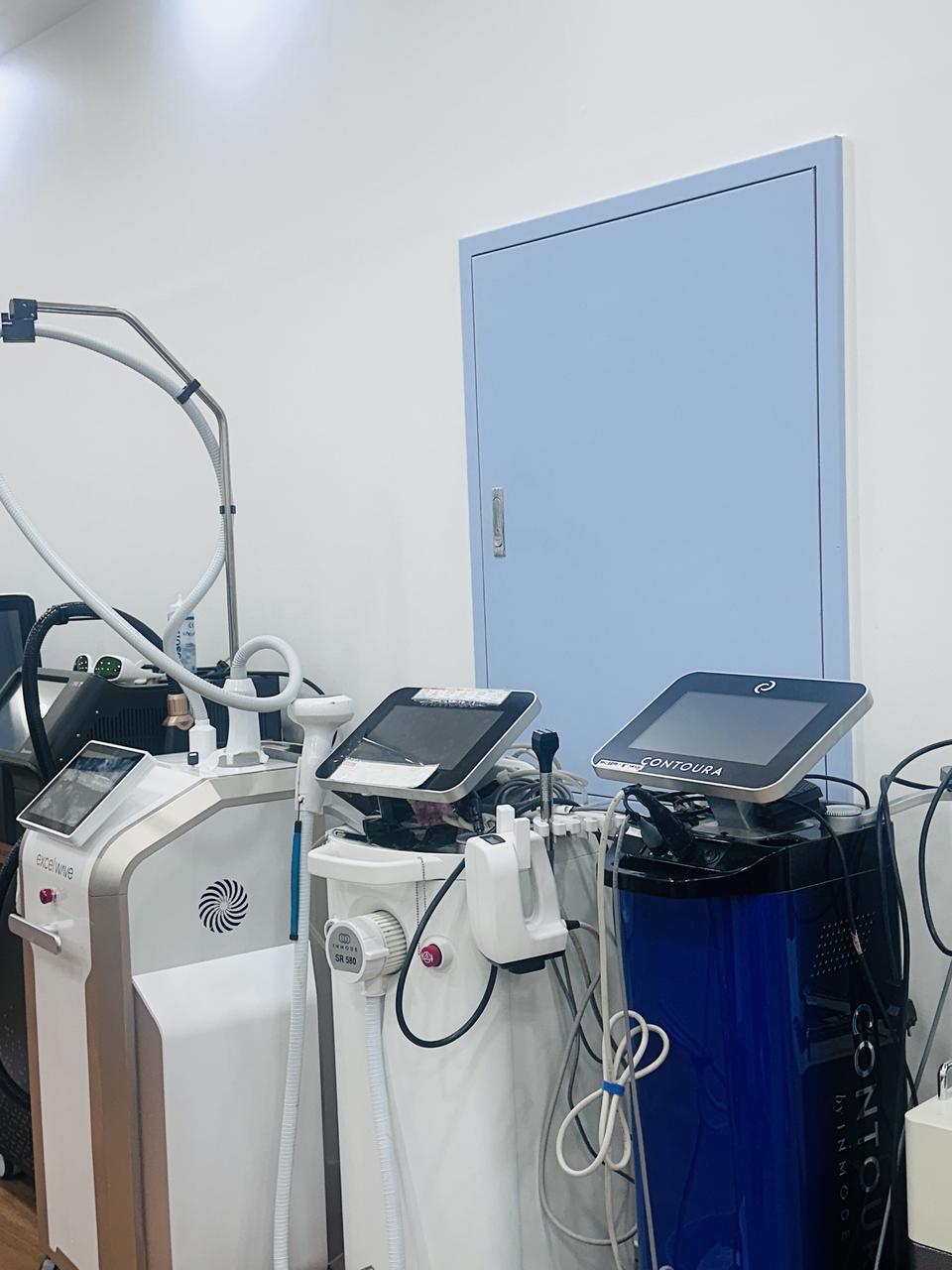
Who is it suitable for? Who isn’t? Beginners should start with this list.
Both radio waves and sound waves are non-invasive treatments, ideal for people aged 25–65 with mild to moderate skin laxity who are afraid of surgery or needles and prefer treatments with no recovery period. If you want firmer skin, defined contours, or to reduce your Double Chin, these two options are top choices.
The following individuals are not recommended for this treatment (general contraindications for KFDA-approved models): pregnant women, those with heart pacemakers, those with active skin inflammation or eczema in the treatment area, those who have recently taken aspirin, and those with metal implants in the treatment area. Be sure to disclose your medical history honestly to your doctor before proceeding—safety comes first.
6 Things Online Users Most Want to Know Before Getting Their First Radio Wave Treatment
Q1: When does it take effect? Do you look beautiful right after the procedure?
After the radiofrequency treatment, there’s a slight immediate tightening effect, with the best results seen after 2–3 months. For ultrasound therapy, collagen production peaks at 6–12 weeks, and the most defined contours appear after 3–6 months. Both methods involve gradual improvement rather than instant results.
Q2: Is it painful? Can people who are afraid of pain handle it?
The Wanyi Radio Wave model features intelligent cooling, which most people find only slightly warm. The Hifee Wave 4th Generation MPT uses micro-pulse technology, significantly reducing discomfort compared to older models. Those who are sensitive to pain will do well choosing these two new-generation devices.
Q3: How often should it be done? Is it addictive and require monthly treatments?
There’s no need to do it every month. Generally, once every six months to a year is sufficient—think of it as the skin’s “annual maintenance.” Doing it too frequently is just a waste of money.
Q4: Will there be darkening, swelling, or the need for sick leave?
Non-invasive treatments usually only cause mild swelling for a few hours, which subsides with ice packs, so there’s no need to take time off—you can return to work or school as usual the next day.
Q5: Which is better, radio frequency or ultrasound? How can I choose without wasting money?
Check the degree of relaxation: Mild laxity with a desire for firming → radiofrequency; noticeable sagging with a desire to lift → ultrasound. The comparison table above makes it easy to tell at a glance—no need to guess based on intuition.
Q6: How do I find a clinic that doesn’t use implants?
It offers models certified by KFDA/CE, personalized consultations by the clinic director rather than mass treatment, Chinese-speaking service, and real-time price inquiries. The clinic listed below is my top recommendation for first-time visitors.
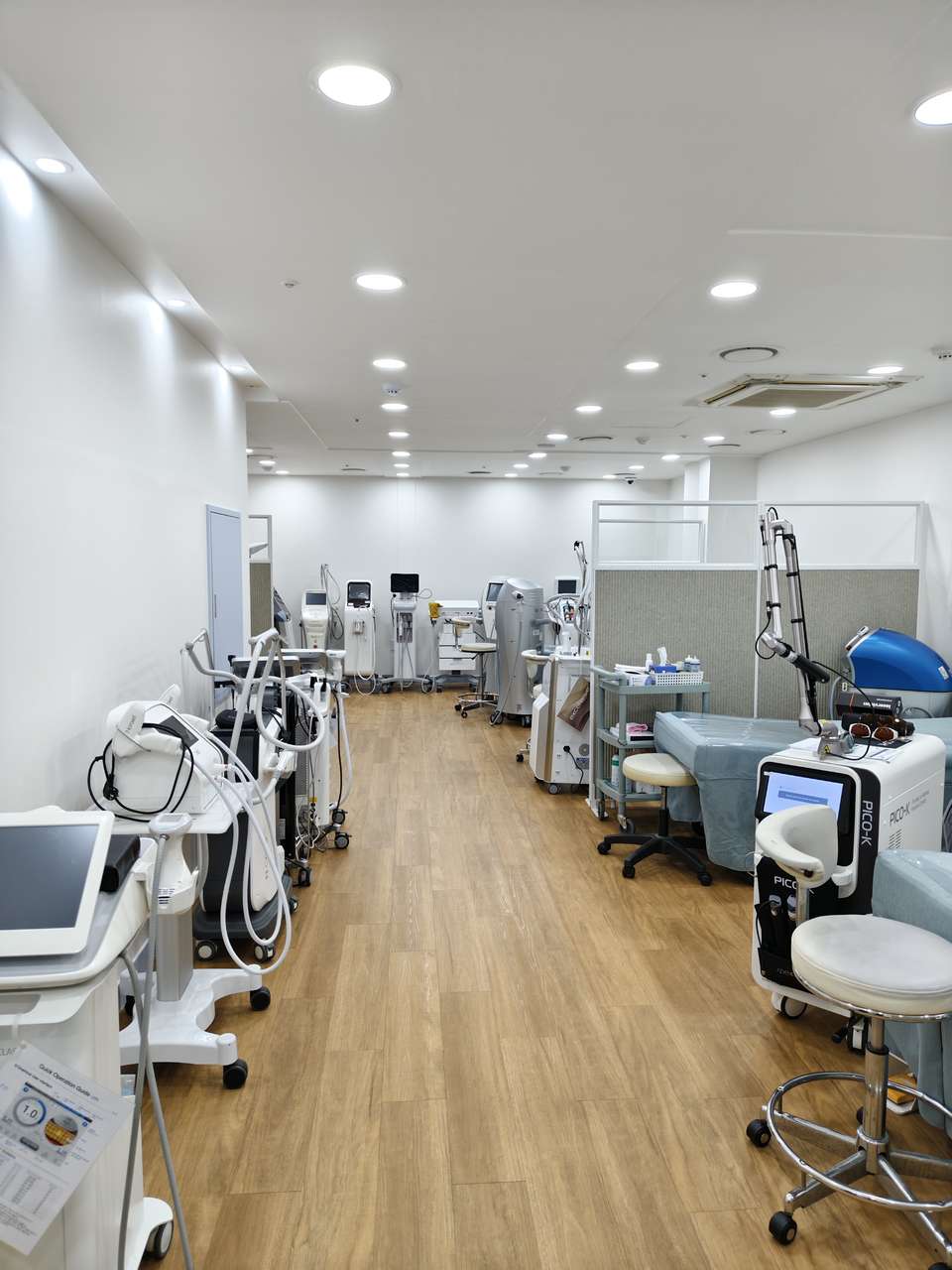
Recommendation for beginners: Visiting South Korea for the first time? This Dermatology clinic is worth trying.
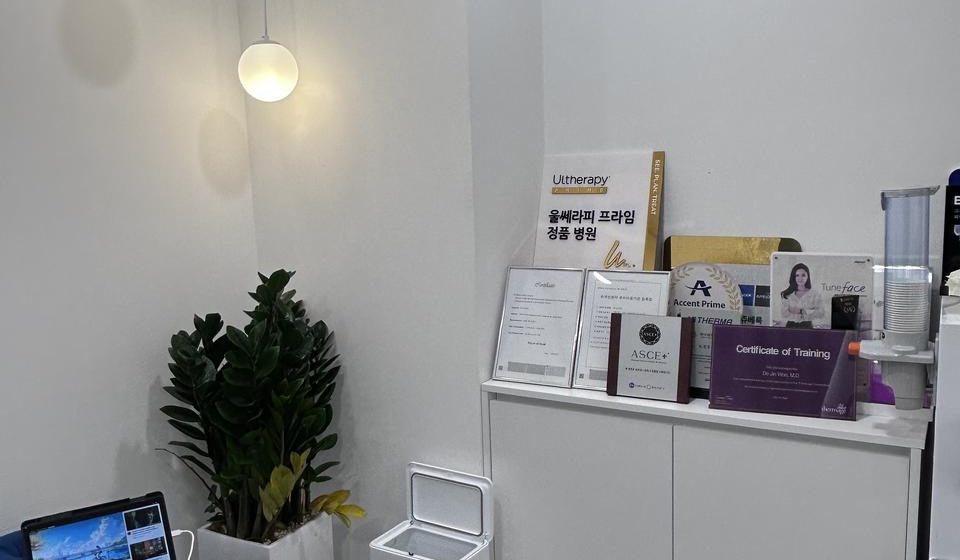
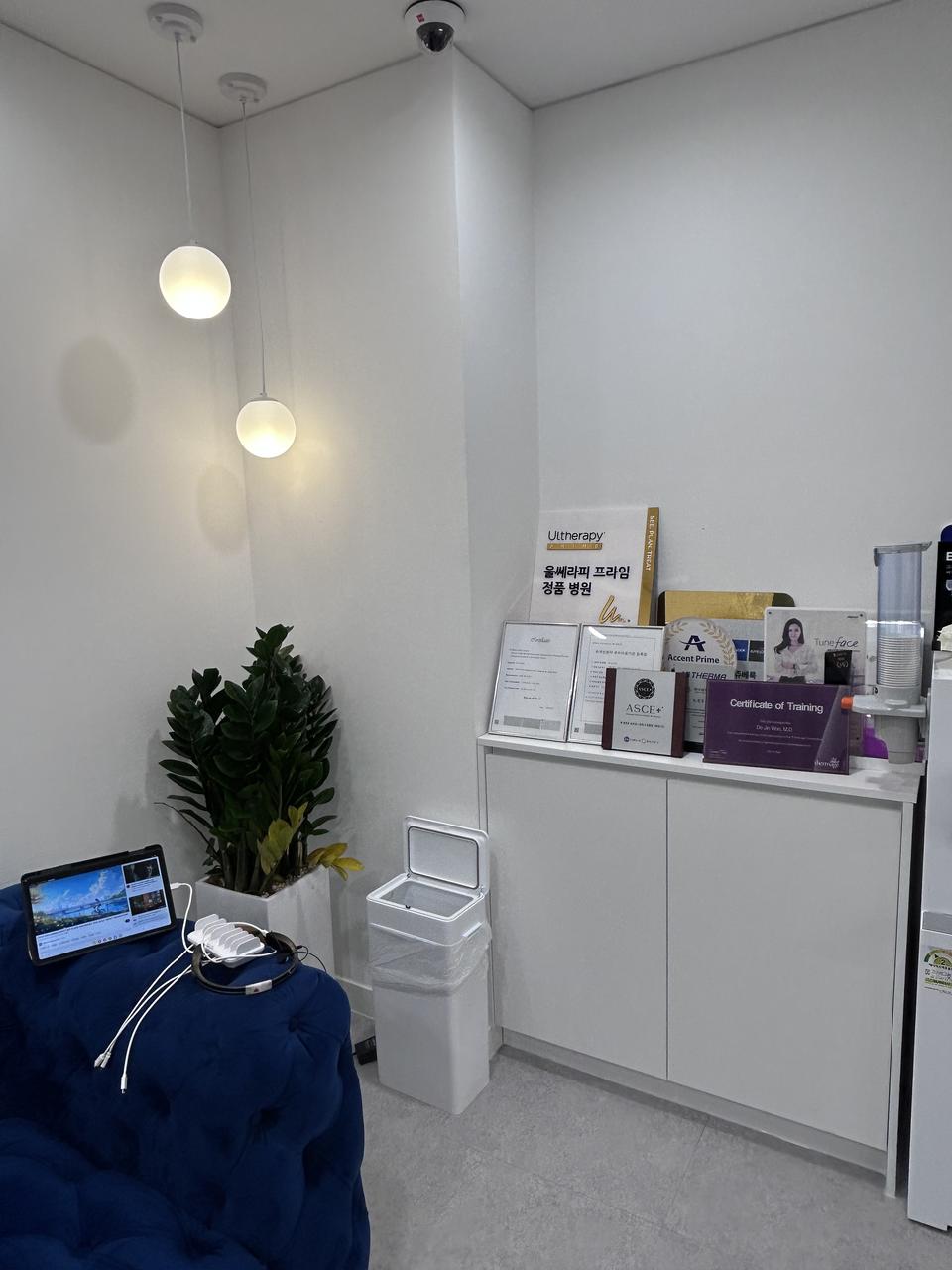
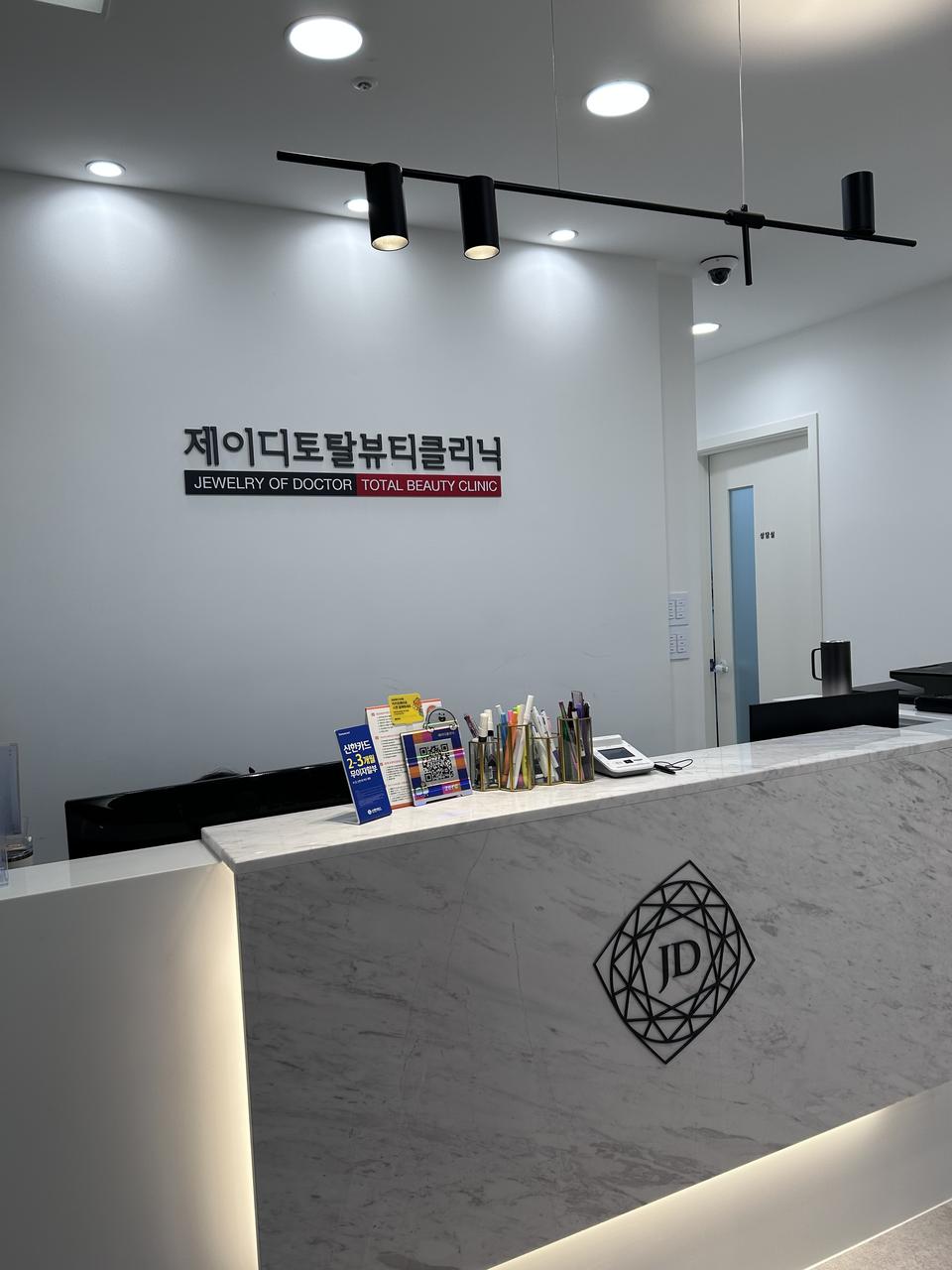
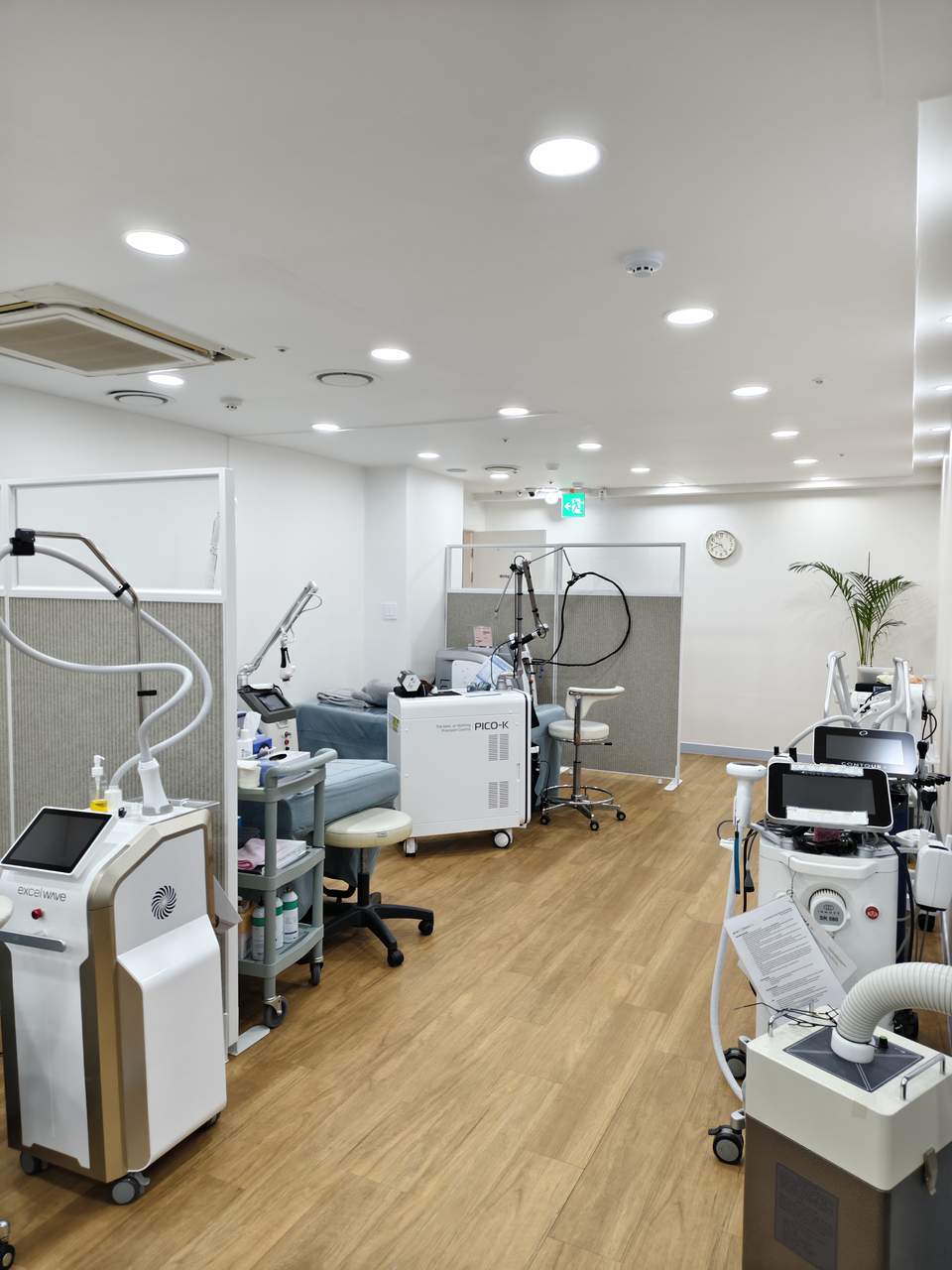
If it’s your first time, I’d recommend choosing a clinic that’s well-equipped, offers services in Chinese, and allows you to check prices instantly. JD Clinic has branches in Seoul, equipped with advanced devices such as Thermage, Ulthrea, and Pico. The consultations are conducted in Chinese, so beginners won’t feel lost. You can use the card below to book appointments on BeautsGO at competitive prices.
🔗 Book an appointment at JD Dermatology (JD Clinic) / Compare prices
Traditional Chinese services • Transparent pricing • Quick booking
Recommended Related Articles (South Korea Dermatology Series)
Looking to check out more clinics, or learn more in detail about the prices and reviews of a specific treatment? These 3 articles are our hands-on summaries of Dermatology options in South Korea — perfect as your first step in doing your research.
- Recommended Itinerary for InMode Dermatology in South Korea|Available in Gangnam, Sinsa, Hongdae, and Myeongdong – with Chinese-speaking service and a list of consultations by the director (ideal for beginners to radiofrequency therapy, the affordable option mentioned in Article 3)
- Seongsu NEWLINE Dermatology Price List | American Ultrasound: 200 shots at ₩1.29 million; Thermage FLX + Ultrasound + 6cc of Rejuran at ₩3.9 million (source of the prices listed above)
- Reviews of BARUNGYN Kleam Dermatology in Myeongdong | High praise for Director Lee Min-jin’s injection skills; real experiences with Thermage and HIFU (Read this article if you want to see firsthand accounts of ultrasound/wave treatments)
Sources: Ministry of Health and Welfare of South Korea & Korea Health Industry Development Institute, “Status of Foreign Patient Attraction in 2024” (Yonhap News Agency, April 2, 2025); specifications for Oligio (WonTech) models approved by FDA/CE/KFDA; principles behind Ultraformer HIFU focused ultrasound (SMAS thermal coagulation points); our site has already published price lists for Seongsu NEWLINE and a quick reference guide to InMode prices in South Korea; current pricing in Taiwan for HIFU treatments ranges from NT$55 to NT$100 per session (astrabeauty.com.tw). Prices may vary depending on the clinic and promotional offers, so please refer to the current rates at the time of consultation.