When undergoing skin treatments in South Korea, should one choose a Dermatology department or a plastic surgery clinic? Clarifying this issue saved me quite a bit of unnecessary expenses.

The first time I seriously considered going to South Korea for skin treatments, I spent a lot of time searching online, but the more I looked, the more confused I became. Some people said I should go to the plastic surgery department because the doctors there were more “professional”; others claimed that Dermatology was the right place for laser and instrumental treatments. At that time, I really had no idea what the difference between the two was.
Later, I flew to Seoul and consulted with two Dermatology clinics in Hongdae and one plastic surgery clinic in Gangnam before finally understanding the issue. Today, I have organized my understanding in this article, hoping it will be helpful to anyone who has the same questions.
I. Dermatology vs Plastic Surgery: In South Korea, these two types of medical practices require different licenses.
This was something I never expected before. In South Korea, medical specialties are highly specialized; Dermatology and Plastic Surgery are two completely different departments that require distinct training and licenses.
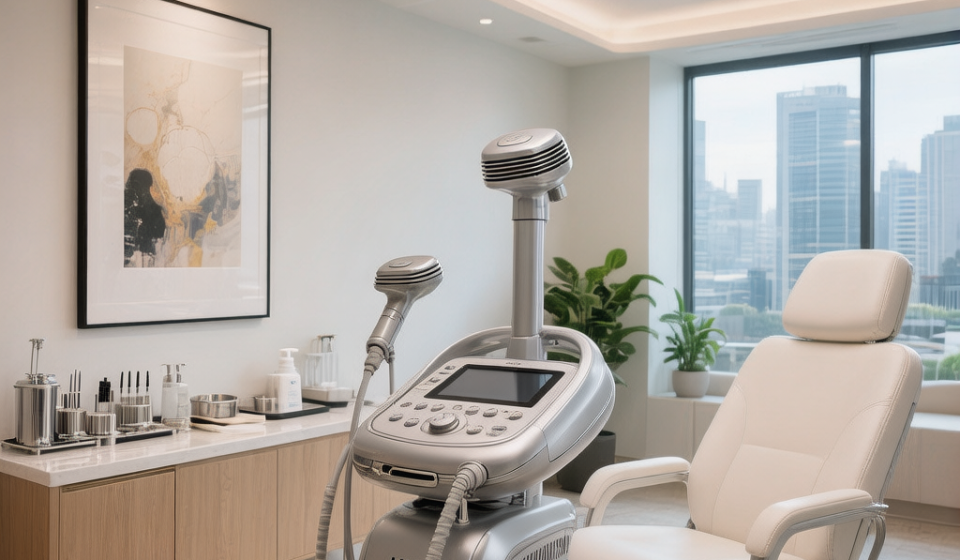
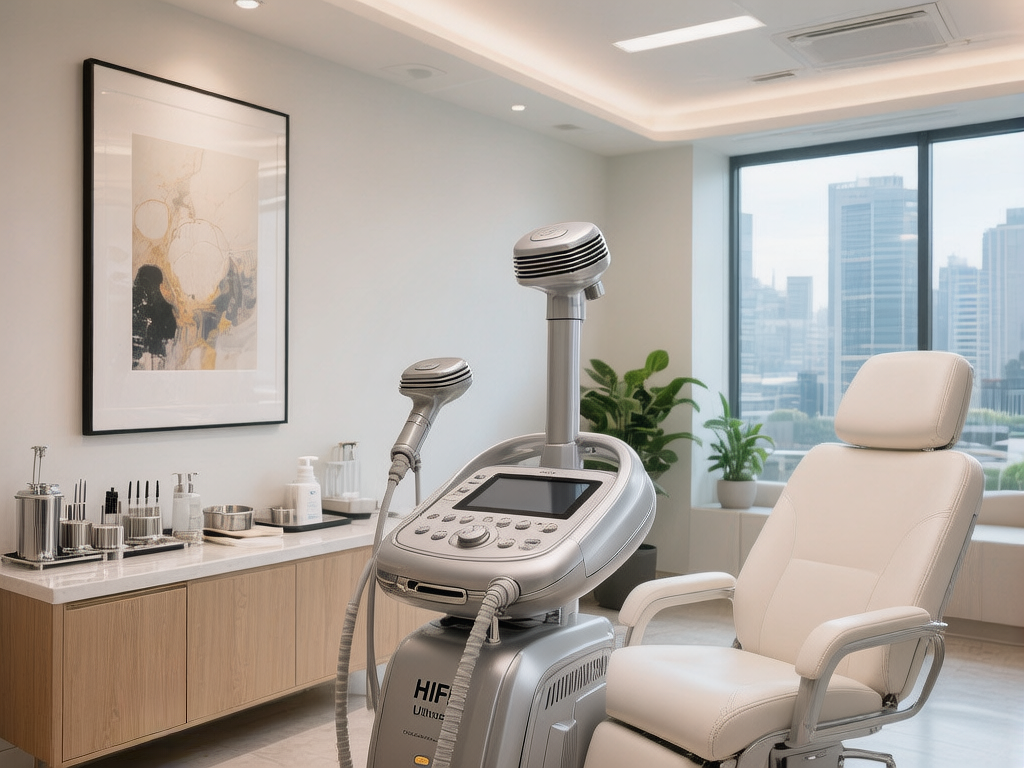
The primary training of Dermatology physicians focuses on skin diseases, laser treatments, injectable procedures (such as Botox, Filler, and hyaluronic acid injections), as well as the use of various energy-based devices (including HIFU, Thermage, InMode, and Pico lasers).
The primary training for plastic surgeons focuses on surgical procedures, including Double eyelid surgery, rhinoplasty, facelifts, and fat transplantation. However, in recent years, many plastic surgery clinics have also begun to introduce non-surgical treatments such as HIFU and Thermage.
In simple terms: if what you want to do is to use instruments for skin tightening (such as HIFU, Thermage, or thread lifting), you can go to either type of clinic. However, if it is your first time going to South Korea for such treatments, I personally recommend visiting a Dermatology clinic first.
II. When it comes to HIFU and Thermage treatments, the training of Dermatology physicians is more relevant to these procedures.
This is what I felt most strongly after seeking advice. When I went to the Dermatology department at Hongdae to inquire about HIFU, the doctor explained in great detail which skin layers are affected by each treatment setting and why my facial structure required targeted treatment on the SMAS layer. Later, when I consulted a plastic surgeon, the doctor focused mainly on comparing the effects of “surgical facelifts versus HIFU,” and it seemed that his main recommendation was still surgery.
Of course, this is not absolute – there are also many plastic surgeons in South Korea who are highly skilled in using instrumental treatments. But overall, Dermatology is inherently a field that relies heavily on instruments and injections, so such treatments are quite routine for them.
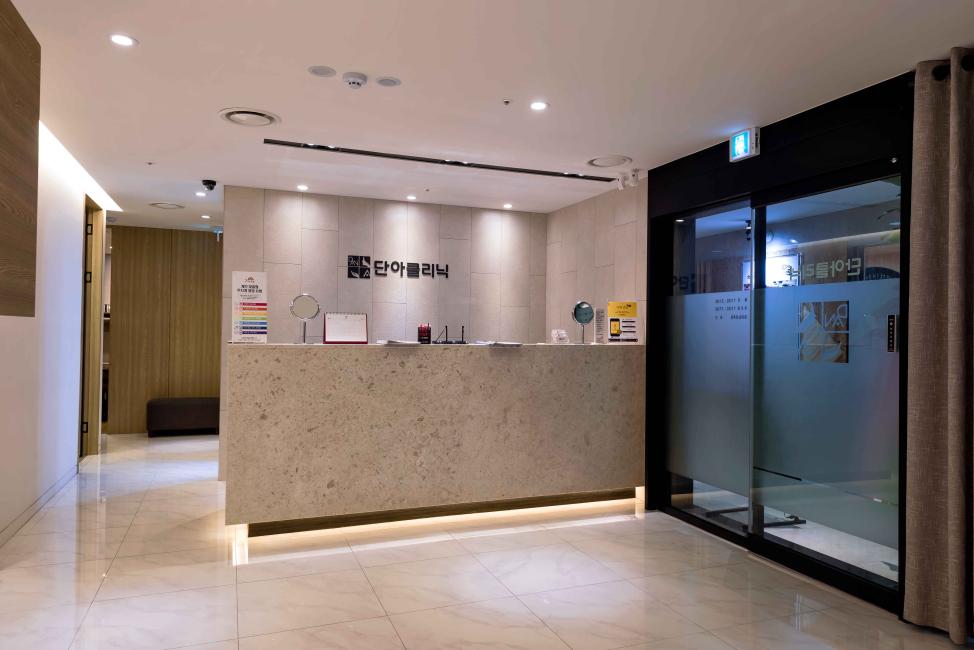
III. Plastic surgery also offers non-surgical methods for skin tightening, but there are several things to consider.
It is completely legal for plastic surgery clinics to offer HIFU and Thermage; in fact, some such clinics have a good reputation in this area. However, during my research and consultations, I observed the following:
- Some cosmetic surgical procedures are performed by nurses or caregivers, rather than by doctors themselves. It is advisable to confirm this in advance before making a choice.
- In the cosmetic surgery industry, the main focus of promotion often lies on surgeries. If you seek information about HIFU, you are likely to be advised that “surgery may yield better results.” This is not necessarily a bad thing, but you should be prepared for it mentally.
- In some plastic surgery clinics, the fees are higher than those in Dermatology departments. Especially in the high-end plastic surgery clinics in Gangnam, the cost of HIFU treatments can be more than 20% higher than that in Hongdae Dermatology departments.
Therefore, if your goal is to undergo non-surgical skin tightening treatments, it is not that plastic surgery is not an option; rather, you need to do more research to understand the specific procedures and associated costs.
IV. Comparison of Key Features in Skin Tightening Treatments between Dermatology and Plastic Surgery in South Korea
| Comparison items | Dermatology | Plastic Surgery |
|---|---|---|
| Main areas of expertise | Instrumental treatments, lasers, injections | Surgical procedures, facial contour reshaping |
| HIFU/Radiofrequency ablation | ✅ Regular core projects | ✅ It is available, but not the primary option. |
| Executor | It is usually performed by a physician in person. | It depends on the clinic. |
| Price range | The Hongdae area is relatively affordable for the general public. | High-end clinics in Gangnam District are relatively expensive. |
| Recommended candidates | Going to South Korea for the first time to undergo instrumental skin tightening treatments | Consider undergoing surgery, or visit a reputable clinic specializing in plastic surgery. |
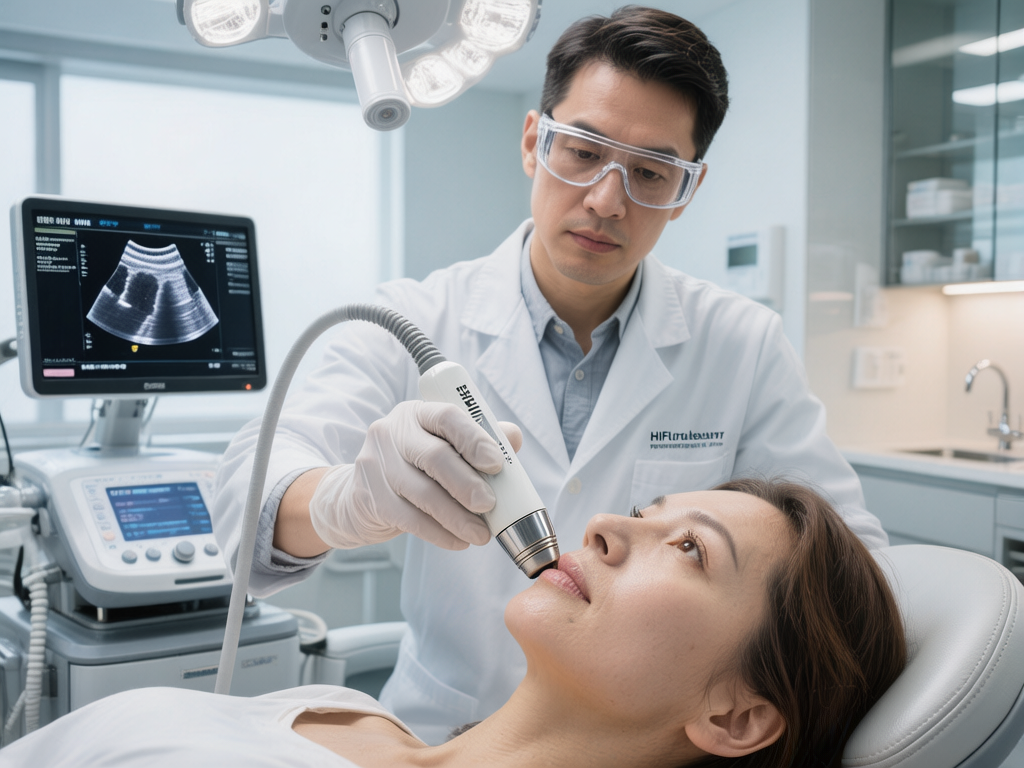
V. In what situations is it appropriate to consult a Dermatology specialist? And when should one go to a plastic surgeon?
When to choose a Dermatology department
- Your goal is to achieve non-surgical skin tightening: HIFU, Thermage, InMode, and thread lifting.
- You haven’t yet determined the specific treatment plan; you need advice from a doctor.
- This is your first time flying to South Korea for medical aesthetics treatments. I hope the communication process will go smoothly.
- With limited budget, we hope to find options with good value for money in Hongdae or other areas.
- You also want to undergo injectable treatments (hyaluronic acid injections, Filler, botulinum toxin).
When choosing a plastic surgeon
- You have already considered surgical options for lifting the skin; perhaps we could discuss non-surgical alternatives together for comparison.
- Do you have any recommended plastic surgery clinics that offer the specific treatment methods you are interested in? Make sure they have the equipment necessary for those procedures.
- I have previously worked in plastic surgery clinics in Taiwan or Hong Kong and am accustomed to the operations of such institutions.
VI. If you are going to South Korea for skin treatments for the first time, I recommend booking a consultation through BeautsGO in advance.
For many tourists from Hong Kong or Taiwan, not knowing Korean is the biggest obstacle. When I first visited, I relied on the BeautsGO platform to help me schedule an appointment at a Dermatology clinic in Hongdae. The entire process was facilitated through a Traditional Chinese language interface; after making the appointment, they assisted me in communicating and confirming the details of the treatment. Upon arrival at the clinic, interpreters were also available to ensure that there would be no issues related to language barriers.
Moreover, it is possible to directly compare the treatment options and approximate prices of several clinics on the platform, saving you the time needed to search one by one. If this is your first time planning a medical beauty trip to South Korea, this method is truly very convenient.
📅 立即預約 BeautsGO
Free consultation · Traditional Chinese language service · Quick reservation
VII. Frequently Asked Questions
Q1: Is the effect of HIFU treatment in plastic surgery departments in South Korea better than that in Dermatology departments?
The effectiveness of such treatments primarily depends on the experience and technique of the practitioner, rather than the type of clinic. Both plastic surgery and Dermatology departments can use genuine Ulthera equipment; the key lies in whether the practitioner is familiar with the specific procedures for treating different layers of the skin. Relatively speaking, Dermatology departments perform such treatments more frequently and have greater expertise in this area.
Q2: Is the HIFU used in plastic surgery more expensive than that used in Dermatology?
Not necessarily, but overall, the prices for plastic surgery in the Gangnam area are relatively higher. In the Hongdae and Sinchon areas, the costs for Dermatology treatments tend to be more affordable. For example, 600 sessions of Ulthera treatment usually cost around ₩400,000 to ₩600,000, which is still significantly lower compared to the price of over NT$60,000 in Taiwan or HK$18,000+ in Hong Kong.
Q3: If I go to South Korea for Thermage treatments, are there any regulations specifying which clinics are authorized to perform such procedures in the fields of plastic surgery and Dermatology?
Thermage FLX is a non-surgical medical cosmetic device that can be introduced and used by both Dermatology departments and plastic surgery clinics. However, it is recommended to choose a clinic that has official authorization and certification to ensure that you are using the original equipment, rather than a counterfeit version.
Q4: If my English is poor and I don’t understand Korean, is it safe to undergo skin treatments in South Korea?
Certainly, but it’s necessary to prepare in advance in terms of language. It is recommended to use booking platforms like BeautsGO, which support Traditional Chinese. These platforms can assist you with translation and confirmation of treatment details, so you don’t have to handle everything on your own. Additionally, preparing a simple Chinese-Korean glossary before attending the appointment will also be very helpful.
Q5: Should Thread Lifting (PDO Thread Lifting) be performed in a Dermatology department or a Plastic Surgery department?
Both types of clinics offer thread lifting treatments. However, since this procedure involves piercing the subcutaneous tissue, it is recommended to choose a doctor with extensive experience in this area. Regardless of which type of clinic you choose, make sure to verify the doctor’s qualifications and their previous performance records.