Why are medical beauty treatments in South Korea so inexpensive? Is it really more cost-effective to undergo Thermage treatment during a trip there than in Taiwan or Hong Kong?

More and more of my friends are discussing whether to go to South Korea for medical beauty treatments. However, every time this topic comes up, someone always raises the question: “Why are medical beauty procedures so much cheaper in South Korea? Is it safe?” I used to be filled with doubts too, but after actually going to South Korea for several treatments and thoroughly researching the reasons behind this, I finally understood everything.
Today, let’s discuss why medical beauty treatments in South Korea are so much cheaper. Is it really due to lower costs, or is there some other reason? Is it really worth the expense of taking a flight just for these treatments?
I. How significant are the price differences in the medical beauty industry in South Korea?
Let’s start with the figures that everyone is most concerned about. I have friends who had Thermage treatments in Taiwan, and they said it cost nearly 80,000 New Taiwan dollars. In Hong Kong, the prices are even more exorbitant – a full-face Thermage treatment usually starts from 100,000 Hong Kong dollars. However, when I had a Thermage treatment at a dermatology clinic in Gangnam, Seoul last year, the cost was less than one-third of that.
The price difference for Ulthera treatments is also quite significant. In Taiwan and Hong Kong, a full-face Ulthera treatment usually costs between 60,000 and 80,000 New Taiwan dollars; however, in Seoul, the prices I encountered ranged from 20,000 to 40,000 New Taiwan dollars, depending on the clinic and the number of treatment sessions chosen. No wonder more and more people say, “With the cost of the plane ticket and hotel, the money spent on a single medical beauty treatment is quickly recouped.”
II. Five Core Reasons for the Low Prices
1. The market competition is extremely fierce.
In the Gangnam and Hongdae districts of Seoul, one can find a dermatology clinic almost every few steps along the way. It is said that alone in Gangnam District, there are over a thousand such clinics, and this high density has led to extremely fierce competition. In order to attract customers, these clinics not only compete in terms of equipment and technology but also use price as a key competitive factor.
In contrast, in Taiwan and Hong Kong, there are relatively fewer dermatology institutions, so the market is not so highly competitive, and as a result, prices do not tend to decrease. It’s similar to running a restaurant: if you are the only one on the street, you can naturally charge higher prices; but if there are ten restaurants competing, you have to focus on providing delicious and affordable food if you want to succeed.
2. The cost of upstream materials is indeed relatively low.
South Korea is an important global producer of medical beauty materials. Many of the main components used in Filler, botulinum toxin, and laser probes are manufactured locally, resulting in much lower supply chain costs compared to importing them from abroad. Coupled with the support provided by the South Korean government to the medical beauty industry, the entire upstream and downstream supply chain has achieved economies of scale.
Industry insiders have revealed that the prices of medical beauty products in the Korean market are approximately one-third of those in the Chinese market. This directly affects the pricing of final products and services.
3. The depreciation rate of equipment is relatively fast.
The price of a genuine Thermage or HIFU device can easily exceed millions of Taiwanese dollars. For many clinics, the number of patients they serve each month directly determines how long it will take them to recoup their investment. In South Korea, due to the large number of patients, the equipment is depreciated more quickly, resulting in lower equipment costs per treatment compared to Taiwan and Hong Kong.
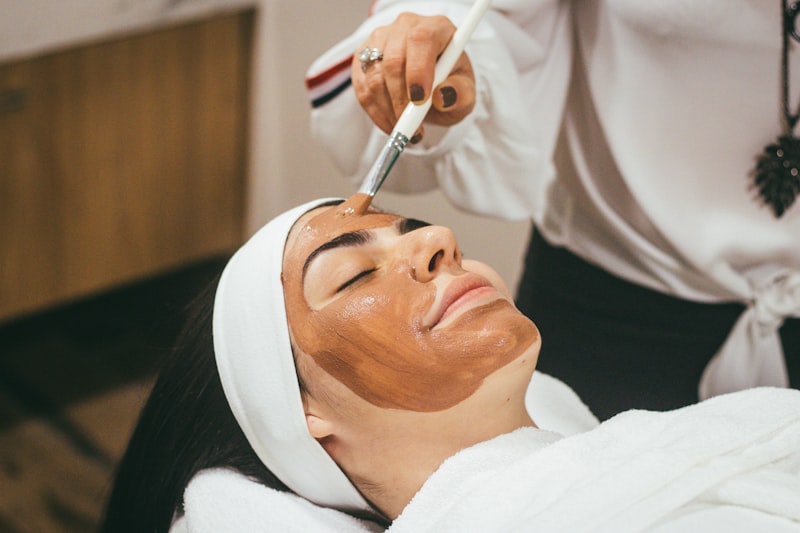
Simply put, the more you produce, the faster the equipment will recoup its cost, and thus the unit price can be reduced.
4. The physicians have extensive operational experience and high efficiency.
The medical aesthetics industry in South Korea is highly developed. After graduating from medical school, specialists often accumulate extensive clinical experience. When I visited, I specifically asked the director who performed the procedure for me, and he told me that he treated at least twenty to thirty patients using Thermage or Ulthera every week. With such frequent practice, their technical proficiency is undoubtedly excellent.
High efficiency also means that more value is created in a given amount of time. This is one of the reasons why Korean clinics are able to offer “low prices, fast service, and excellent results”.
5. Boost from exchange rate and tax refund policies
Although there were some adjustments to the tax rebate policies in 2026, overall, the exchange rate advantage of the Korean won compared to the Taiwanese dollar and the Hong Kong dollar still persists. For foreigners, using the same budget to undergo medical beauty treatments in South Korea allows them to receive more treatment sessions or access higher-quality equipment.
Moreover, many clinics in South Korea offer exclusive discount packages for foreign tourists, making the overall value quite attractive.
III. Although it’s cheap, is the quality really guaranteed?
This is probably the concern that everyone has the most. To be honest, I was also scared at first; I always thought that “you get what you pay for”. But after learning more in detail, I realized that the regulation in the medical beauty industry in South Korea is actually quite strict.
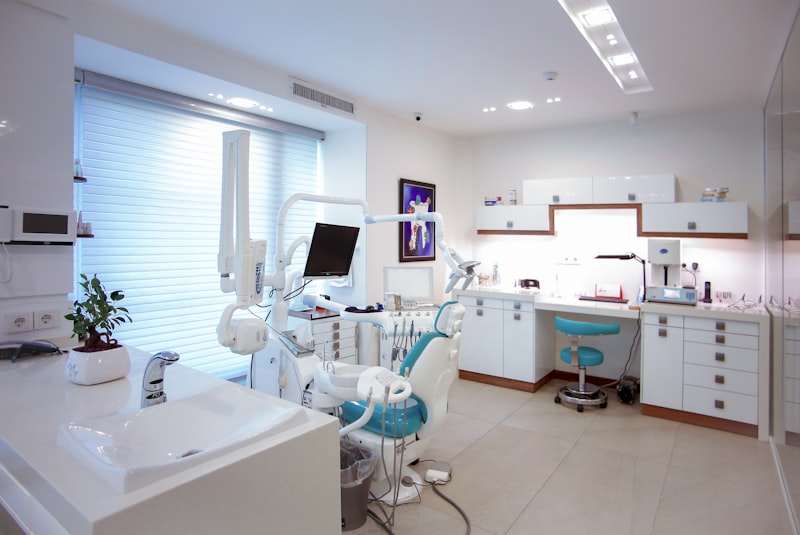
Firstly, in South Korea, the regulation of medical beauty institutions is the responsibility of the Ministry of Health and Welfare. Doctors must possess specialized qualifications in order to practice in this field. Secondly, South Koreans themselves have a very high acceptance of medical beauty treatments. Local customers are very discerning; if the results are unsatisfactory or the reputation of a clinic is poor, it simply cannot survive. Therefore, Korean clinics place great emphasis on post-treatment outcomes and the quality of their services.
The several dermatology clinics I visited in Seoul all used genuine equipment from the manufacturers. The physicians were also very honest during consultations; they would clearly explain whether a treatment was appropriate or what kind of procedure would be suitable for each patient. This really impressed me.
IV. When going to South Korea for medical aesthetics treatments, don’t overlook the hidden costs.
Although the unit price of the service is low, going to South Korea for medical beauty treatments inevitably incurs additional expenses such as airfare, hotel fees, and translation services – these costs also need to be taken into account.
- Airfare: Round-trip airfare from Taiwan to Seoul during the off-season ranges from approximately NT$5,000 to NT$10,000; while departing from Hong Kong, the cost is around HK$1,500 to HK$3,000.
- Hotel: An ordinary business hotel in Gangnam District costs approximately ₩80,000 – 150,000 per night (about NT$1,800 – 3,500).
- Translation: Some clinics offer Chinese translation services; you can also indicate your need for translation when making a reservation through BeautsGO.
- Time cost: It is recommended to set aside at least two days, one day for consultation and one day for the procedure (some treatment plans cannot be carried out on the same day).
If you offer high-value treatments such as Thermage or HIFU, the cost of transportation and other related expenses usually only accounts for around 10-20% of the total treatment fee, so there is still some savings potential. However, if you only provide basic skincare services like microneedling or hyaluronic acid injections, the round-trip costs may not be worth it.
V. Who is suitable for undergoing medical beauty treatments in South Korea?
Not everyone is suitable for making a special trip just for this purpose. Based on my experience, those who are right candidates for undergoing medical beauty treatments in South Korea possess the following characteristics:
- For treatments with high unit prices, such as Thermage, Ulthera, Lijulan, and Gold Micro-Needling, the price difference compared to Taiwan and Hong Kong is significant. The savings generated by these differences far exceed the additional costs associated with using local equipment and beverages during the treatment process.
- If you want to experience the latest equipment: The dermatology industry in South Korea updates its equipment very quickly, and many new treatment methods first make their way to Seoul.
- Seek professional advice: Korean physicians have extensive experience and can provide specific recommendations during consultations, clearly indicating whether a procedure is appropriate or not.
- Time flexibility: It is possible to arrange a trip that lasts for at least two days and one night.
VI. Some suggestions for those who are considering taking the leap
If you are already considering it, here are some suggestions from me:
- Do your homework: Before setting off, use BeautsGO to check the reviews of various clinics, the prices of services, and the backgrounds of the doctors.
- Don’t just focus on the price: something that is cheap may not necessarily be good, but something that is too expensive may not be worth it either. It is recommended to look for institutions with stable reviews and a good reputation.
- Book in advance: The schedules of directors at popular clinics are usually fully booked, so it is best to make a reservation at least one week in advance.
- Bring a translator along or use a translation app – this will help ensure smoother communication with the doctor.
- Follow the doctor’s instructions after the procedure: Korean doctors usually provide detailed instructions regarding postoperative care; adhering to these instructions will ensure good results.
Conclusion
The low cost of medical beauty treatments in South Korea is the result of the combined effects of various factors, including market competition, the scale of the industry, the efficiency of equipment utilization, and the experience of physicians. For friends from Taiwan and Hong Kong, the prospect of taking a flight to Seoul for high-value treatment sessions indeed holds considerable appeal.
But most importantly, choose a reputable and established clinic and doctor – don’t settle for cheap options just to save money. If you are interested in dermatology services in Seoul, you can easily make an appointment through the BeautsGO platform, where Chinese-speaking customer service is available to assist you, eliminating any language barriers.
立即预约 BeautsGO
Free consultation · Traditional Chinese language service · Quick appointment scheduling
Frequently Asked Questions
Q1: Is medical beauty in South Korea really much cheaper than in Taiwan and Hong Kong?
Yes, taking Thermage as an example, the price in Seoul, South Korea, is approximately one-third to one-half of the price in Taiwan. The price differences for treatments such as Ulthera and Lijulan are also quite significant. However, it is recommended to include the additional costs associated with the use of these devices in the overall calculation; only in this way will higher-priced treatment packages be truly cost-effective.
Q2: If medical beauty treatments in South Korea are so inexpensive, could it be because they are illegal or counterfeit products?
Reputable clinics always use original and genuine equipment and materials. It is recommended to choose institutions with a good reputation and stable reviews, or to make appointments through platforms like BeautsGO – this can help filter out unreliable options.
Q3: What should I do if there is a language barrier?
Many dermatology clinics in Seoul offer Chinese translation services; alternatively, you can request language assistance when making an appointment through BeautsGO. It is recommended to download a Korean translation app for emergencies.
Q4: How much in advance should one make a reservation?
It is recommended to make an appointment at least one week in advance. For popular clinics or during peak seasons (such as holidays or before consecutive weekends), it may be necessary to book even earlier. Through BeautsGO, you can make an appointment online directly – a convenient and time-saving option.
Q5: Is there a recovery period required after the procedure?
It depends on the specific treatment being performed. For non-invasive procedures such as Thermage or HIFU, there may be slight redness and swelling on the day of the treatment, but usually, normal makeup can be applied the next day. Injection-based treatments (such as those using Restylane) may require a shorter recovery period. The doctor will provide detailed instructions on post-treatment care during the consultation.
Q6: How many days does a treatment session take?
It is recommended to set aside two days for this process: on the first day, you can go to the clinic for consultation; some institutions may schedule the procedure on the second day. If you have sufficient time, you can also combine the treatment with a trip, killing two birds with one stone.
