

I struggled for a long time over whether to undergo Pico laser treatment or not. After checking the prices in South Korea, I immediately booked my flight.

To be honest, it’s a bit embarrassing to admit this, but I have been researching Pico lasers for almost three months. It all started because my acne scars just wouldn’t go away no matter how many whitening serums or acidic treatments I tried, nor could any amount of photo editing hide those bumps and scars on my face. A friend’s question, “Why don’t you go to South Korea for Pico laser treatment?” opened the door to this journey—I began researching further and ended up where I am today.
I. Why did I start researching Pico lasers? What are the differences between them and traditional lasers?
Let me state the conclusion first: Pico lasers are not “more powerful lasers”; they represent a completely different technology. Traditional lasers, such as those used for skin rejuvenation or nanosecond lasers, rely on “thermal energy” to break down pigments, which inevitably causes thermal damage. As a result, the chances of post-treatment redness and hyperpigmentation are relatively high. In contrast, Pico lasers utilize the photomechanical effect, reducing the pulse width to 10⁻¹² seconds (at the Pico level). This process shatters pigment particles into dust-like fragments, which are then eliminated through the lymphatic system – with almost no thermal energy generated during this entire process.
Pico vs Traditional Lasers: Understand the Differences at a Glance
| Comparison items | Traditional lasers (nanosecond range) | Pico laser |
|---|---|---|
| Pulse width | 10⁻⁹ seconds (nanoseconds) | 10⁻¹² seconds (Pico) |
| Principle of action | Photothermal effect (generates heat) | Opto-mechanical effect (with virtually no heat generation) |
| Postoperative swelling | Obviously, it takes approximately 3 to 7 days. | Mild symptoms, lasting approximately 1 to 2 days. |
| Probability of anti-blackening effects | Relatively high (about 20-30%) | Relatively low (about 5-10%) |
| Required number of sessions | 6 to 10 times | 3 to 5 times |
At present, the most popular Pico devices in South Korea are PicoWay (Cynosure) and PicoSure (Alma Laser). PicoWay offers three different wavelengths (1064nm / 532nm / 785nm), and it is quite effective in treating deep-seated freckles, acne scars, and tattoos; PicoSure, on the other hand, uses a wavelength of 755nm and is particularly effective in treating superficial freckles and lightening skin tone. Remember to ask clearly which device will be used during your consultation.
II. Why did I ultimately choose to go to Seoul for Pico treatment instead of staying in Taiwan?
This decision actually took me a long time to make. Taiwan also has Pico equipment, but the prices are really discouraging – each treatment costs NT$8,000 to NT$15,000, and usually a set is required to see any results. So, the total cost for a complete treatment session starts from NT$40,000. I checked the prices in Hong Kong, and of course, they are even higher: HK$3,000 to HK$5,000 per treatment.
Later, I saw many posts on Dcard and REDnote from Taiwanese girls who had gone to Seoul for medical aesthetics treatments. They said that the costs were only one-third to half of what they were in Taiwan. Moreover, the equipment in Dermatology clinics in South Korea is updated very quickly; many clinics have already installed the latest generation of PicoWay or PicoSure, while some clinics in Taiwan are still using older models. This really made me consider going too.
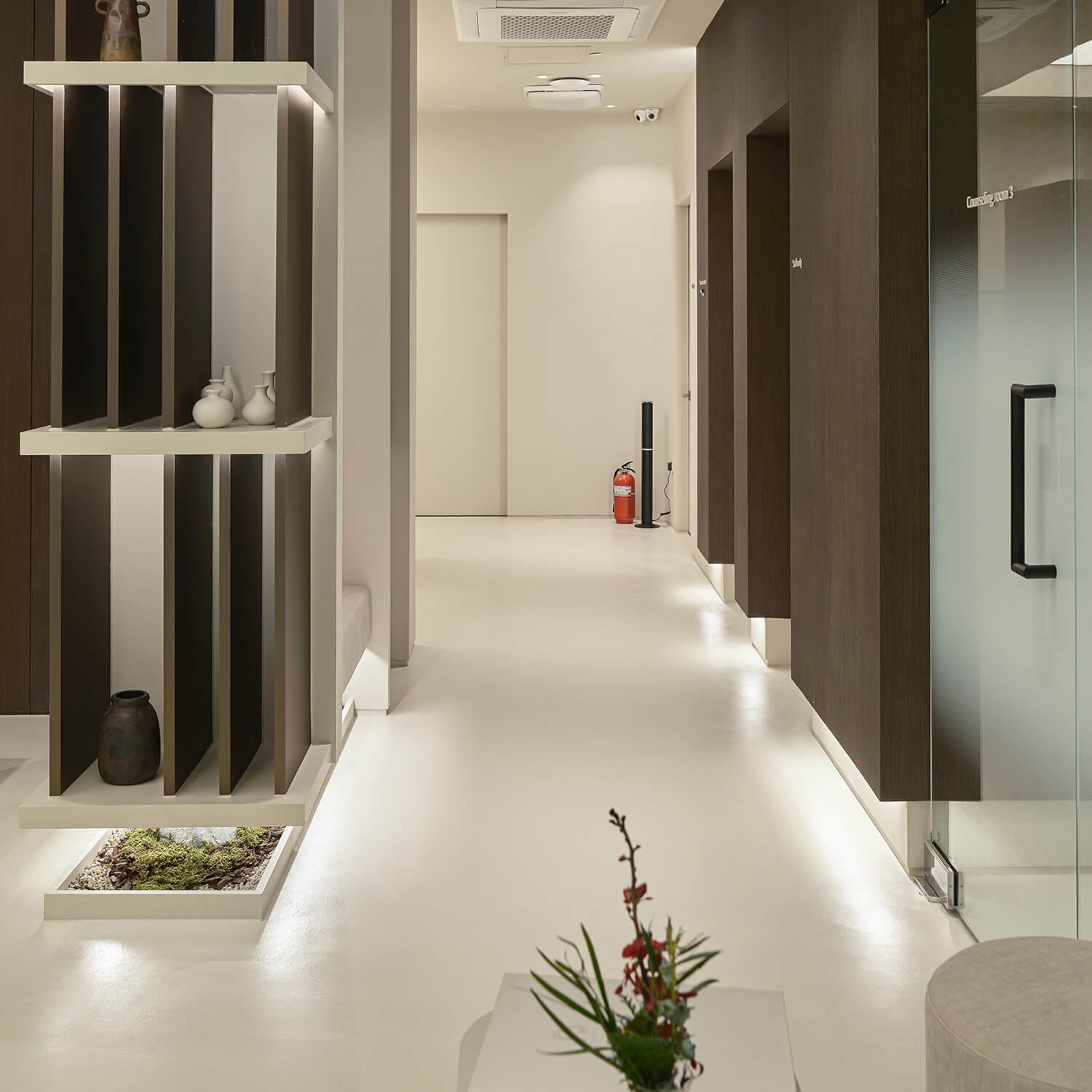
The reasons for choosing Gangnam Betterme Gangnam Dermatology are quite simple: they offer Chinese-language translation services, are equipped with all the necessary facilities (both PicoWay and PicoSure are available), have transparent pricing, and allow direct reservations on the BeautsGO platform – making them particularly user-friendly for foreigners.
The link to BeautsGO that I used when making my reservation is shown below; you can click directly on it to view the latest prices and available services.
III. Comparison of Pico laser prices in South Korea, Taiwan, and Hong Kong: How much does the difference amount to?
This was the aspect that concerned me the most back then, so I have compiled it here for everyone’s reference (up-to-date information as of May 2026):
| region | Treatment regimen | One-time price | Number of recommendations | Full treatment package price |
|---|---|---|---|---|
| Seoul, South Korea | PicoWay for the entire face | ₩150,000 to 250,000 | 3 to 5 times | ₩450,000 to 1,000,000 |
| Taiwan | PicoWay for the entire face | NT$8,000–15,000 | 3 to 5 times | NT$24,000 to 75,000 |
| Hong Kong | PicoWay for the entire face | HK$3,000–5,000 | 3 to 5 times | HK$9,000 – 25,000 |
Key point: Calculated using the exchange rate in May 2026 (10,000 South Korean won approximately equal to NT$230), the total cost of a complete Pico treatment in South Korea ranges from NT$10,000 to NT$23,000, which is 50% to 70% cheaper than in Taiwan. When adding in the cost of airfare, traveling to Seoul for such treatment is actually still worthwhile, as long as the time spent on the trip is taken into consideration.
Of course, not everyone is suitable for flying specifically to South Korea. If you just want to treat superficial freckles and achieve a more even skin tone, 1-2 treatments are enough, and it’s actually possible to do this in Taiwan as well. But if you, like me, have deep acne scars, rosacea, or persistent freckles that require more than 5 treatments, then flying to South Korea is definitely a worthwhile investment.
IV. Complete record of the entire Pico treatment process: The entire procedure, from consultation to completion, took only 40 minutes.
The appointment was scheduled for 3 p.m., but I arrived at 2:45. First, I filled out some basic information in the waiting area outside (they provided forms in Chinese, which was very considerate of them), and after about 10 minutes, I was called inside.
Step 1: Remove makeup and cleanse the skin
The receptionist led me to a private room, where I first used makeup remover cotton to thoroughly remove my makeup. The room was equipped with a separate washbasin, a mirror, and disposable towels – all very clean.
Step 2: VISIA Skin Analysis
This is my first time undergoing a VISIA examination. The device takes several photos of my face, and then a detailed analysis of my skin appears on the monitor—information about the distribution of dark spots at the deeper layers, the areas of redness, the condition of my Pores, and the analysis of my wrinkles is all clearly displayed. The doctor said that there are far more dark spots at the deeper layers of my skin than what is visible on the surface, which is why all the whitening products I used before seemed to have no visible effect.
Step 3: In-person consultation with a doctor
After reviewing the VISIA report, the doctor recommended that I undergo PicoWay treatment using the 1064nm + 532nm dual-wavelength option, focusing particularly on the areas with acne scars and the spots on my cheeks. The doctor explained that my acne scars were of the “cicatricial” type, for which Pico is particularly effective, and that 4-5 treatments would likely result in significant improvement. The entire consultation took about 15 minutes, and the doctor was very patient and detailed in his explanations. I asked many questions without receiving any indication of impatience from him.
Step 4: Apply an anesthetic
Apply the numbing cream all over your face and wait for about 20 minutes for the anesthetic to take effect. You may feel a slight stinging sensation during this process, but it should not be uncomfortable.
Step 5: Application of Pico laser
During the actual treatment, it doesn’t really hurt that much; it’s more like having your face “pulled” repeatedly, similar to having a rubber band snap against your skin. The entire process takes about 15 minutes, and the doctor focused especially on the areas with acne scars, so those areas felt a bit more intense, but not painful enough to be uncomfortable.
Step 6: Postoperative sedation
After the treatment, the receptionist immediately brought over a cool calming facial mask. The moment it was applied, I felt something like, “Wow, this is so comfortable.” My whole face felt warm and red, but about 15 minutes after applying the mask, most of that warmth and redness had subsided.
The entire process, from entering the clinic to leaving, takes approximately 1.5 hours. The actual laser treatment itself only lasts 15-20 minutes; the majority of the time is spent waiting.
V. How long does it take to see the results after a Pico treatment? The actual changes after 1 month and 3 months
On the first day after the Pico treatment, there was a slight redness on my face, but it wasn’t the “swine-head redness” that used to occur after traditional laser treatments. It was more like the mild reddening that happens after exercising. By the second day, the redness had completely disappeared, and tiny scabs began to form on my face, but they were so faint that they could be completely covered up with light makeup.
Week 1: The scabs begin to fall off gradually, and the skin feels a bit rough to the touch – this is normal. The doctor advised me to increase moisturization during this period and avoid picking at the scabs.
Week 2: All the scabs have fallen off. At this point, no significant changes are yet visible; doctors say that the effects of Pico treatment usually become apparent after 3 to 4 weeks.
Month 1: I noticed obvious results for the first time! The scars from acne on my face seemed to have become “shallower” – they didn’t disappear completely, but they were definitely less noticeable. The redness on my cheeks also decreased. The most noticeable change was in my Pores; my skin felt much smoother and finer.
Month 3 (after the third treatment): By this time, the results are already very noticeable. The acne scars have changed from looking like “the surface of the moon” to having only slight unevenities; you can now go out without makeup without feeling embarrassed. What’s most impressive is that my entire face looks much brighter. Before, I looked like I hadn’t slept well and my complexion was dull, but now, even without makeup, I look much more energized.
VI. Which skin types are suitable for Pico treatment? After the procedure, a friend asked me if my skin had become darker.
Two weeks after the first treatment, my sister saw my photos and immediately asked, “Have you gotten darker? Your skin looks a bit dull.” I was startled, but later I learned that this was the “pseudo-darkening phase” – after the Pico treatment, the melanin is broken down into tiny particles, and during the metabolic process, there is a temporary period when the skin appears dull. This effect usually disappears completely within 2 to 3 weeks.
Therefore, Pico is suitable in the following situations:
- Deep-seated spots: such as nevus of Ota on the zygomatic bone, liver spots, and nevus of Ota. The effect of Pico treatment is much better than that of traditional lasers.
- Acne scars/compression scars: The photo-mechanical effects of Pico glow can stimulate the regeneration of Collagen, thereby improving acne scars over time.
- Enlarged Pores: Pico treatment can stimulate collagen production, and over time, the size of Pores will decrease.
- Superficial freckles/spots: Usually, 1-2 treatments are sufficient to see noticeable results.
- If you want to brighten your entire face, Pico can help even out your skin tone and reduce dullness.
Situations where it is not appropriate or where caution is required:
- Pregnant or breastfeeding (it is recommended not to proceed at this time).
- Currently taking photosensitive medications (such as tretinoin)
- The skin is currently inflamed or infected.
- Abnormal blood coagulation function
If you are of Asian descent (with yellow skin), it is highly recommended that you choose PicoWay instead of PicoSure. Although the 755nm wavelength of PicoSure is theoretically safer for yellow skin, in clinical practice, the multi-wavelength technology of PicoWay offers more flexibility. Doctors can adjust the energy parameters according to your specific circumstances, thereby reducing the risk of post-treatment darkening.
VII. Sincere advice for those considering Pico treatment in South Korea: These three things are essential to know
If you really decide to travel to Seoul for Pico treatment, here are some honest insights based on my three experiences:
1. The cost of both the flight ticket and accommodation must be included in the total calculation.
Although the cost of a single Pico treatment in South Korea is much lower than that in Taiwan, the total cost for round-trip airfare and accommodation still ranges from NT$10,000 to NT$20,000. If you plan to undergo more than 3 treatments, you might consider splitting them into three sessions, staying for 2 to 3 days each time and combining leisure with the treatments. However, if you only need 1 to 2 treatments, the total cost of round-trip airfare and accommodation is likely to be similar to that of undergoing the full course of treatment in Taiwan.
2. When choosing a clinic, it is important to consider both the equipment and the doctors.
The age of the equipment is certainly important, but the experience of the doctor is even more crucial. For the same PicoWay device, different doctors may use very different energy settings, which can result in varying treatment outcomes and recovery times. It is recommended to choose a clinic that provides services in Chinese, as this will facilitate communication and enable the doctor to better understand your needs.
3. Post-treatment care determines 50% of the overall results.
After undergoing Pico treatment, there are three crucial things to keep in mind: sun protection, hydration, and avoiding irritation. An SPF50+ PA++++ sunscreen is essential, and it is best to use a physical sunscreen. It is also important to maintain adequate hydration, but avoid using skincare products containing acids or whitening ingredients for the first week after the procedure. Additionally, refrain from visiting places with high temperatures (such as saunas or steam rooms) for the first week following the treatment.
Frequently Asked Questions
Q1: Does Pico laser treatment hurt?
An anesthetic ointment is applied before the procedure, so the pain is significantly reduced. The common description given by patients is that it feels like having their face snapped with a rubber band, and most people find this tolerable. Those who are particularly sensitive to pain can inform the clinic in advance, and the clinic can extend the application time of the anesthetic ointment.
Q2: Can the effects be seen after just one Pico treatment?
Superficial spots, such as freckles and sunspots, may show significant results after just 1-2 treatments. However, for deeper spots and acne scars, it usually takes 3-5 treatments to observe noticeable improvements. Pico treatment is a “cumulative” process, so don’t expect to see complete results after just one session.
Q3: How long is the recovery period after Pico treatment?
The recovery period after Pico treatment is much shorter than that of traditional lasers. After the procedure, the skin will turn slightly red, and this redness usually subsides within 1 to 2 hours. Fine scabs will fall off in about 3 to 7 days. It usually takes 2 to 3 days for the skin to fully recover and be ready for normal makeup application.
Q4: What should I do if my skin darkens after Pico treatment?
2-3 weeks after the procedure, a “pseudo-darkening period” may occur; this is a normal part of the melanin metabolism process and will disappear on its own. However, if the skin remains noticeably darker after more than a month, it may be due to excessive energy exposure or improper post-procedure care. It is recommended to return for a follow-up consultation or seek evaluation from a doctor.
Q5: Can foreigners receive Pico treatments at Dermatology clinics in South Korea?
Sure! Many Dermatology institutions in South Korea provide services for foreigners, including translation in Chinese or English. It is recommended to make an appointment through BeautsGO to avoid any language barriers; some institutions also offer special packages tailored for foreigners.
How to make an appointment
If you are interested in Gangnam Betterme Gangnam Dermatology, you can make an appointment in the following ways:
📅 立即預約 BeautsGO
Free consultation · Traditional Chinese language service · Quick reservation


