
How long does it take for Ulthera to show results? My personal experience after waiting for 3 months.

After undergoing Ulthera treatment, the most common question people ask is: “When will I start to see results?” Last year, I had my first session in Seoul, and when I looked in the mirror that day, I didn’t notice any obvious changes. It wasn’t until the second month that a colleague mentioned, “Your skin seems much tighter lately.” That’s when I realized that the effects were gradually taking place, but I just couldn’t see them on a daily basis.
In this article, I would like to share the timeline for when the effects of Ulthera treatment become visible, as well as address some common questions. Before deciding whether to undergo the treatment myself, I spent a lot of time researching, but many of the articles were too technical and only made me more confused.

First, how does Ulthera treatment work?
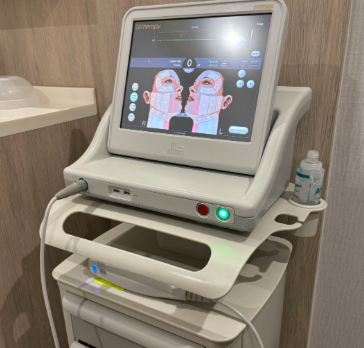
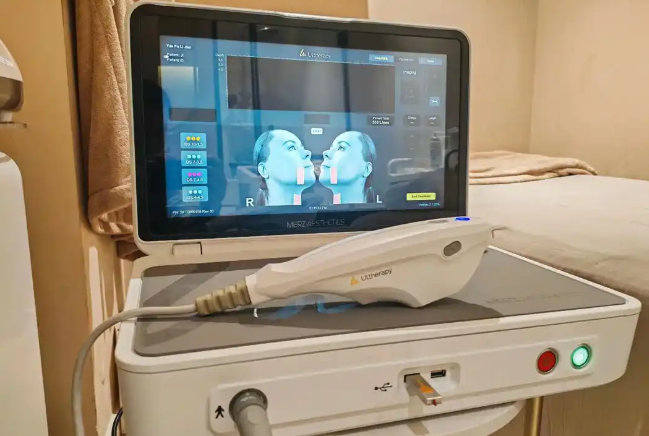
Let’s explain the principle briefly so you can understand why the effects don’t appear immediately. Ulthera uses high-intensity focused ultrasound (HIFU) technology to deliver energy precisely to different depths of the skin, including the SMAS layer—the same layer that is targeted during traditional facelift surgeries.
Once the energy is delivered, the subcutaneous tissue is heated to around 60-70°C. This temperature causes the collagen to be “damaged” and then “reconstructed.” This process takes time and does not happen instantly. Therefore, the results are not visible right away; they emerge as the body gradually repairs itself.
Second, when do the effects of Ulthera treatment become noticeable? A detailed timeline
Weeks 1–2: Mild tightness
In the first week after the treatment, many people experience mild tightness or soreness in the skin—this is normal and indicates that the energy was successfully delivered. Some people may also notice a slight redness, which usually subsides within 1–2 days. At this stage, it’s hard to see any significant changes, so don’t worry if you don’t notice anything different when you look in the mirror.
Month 1–2: Starting to see results
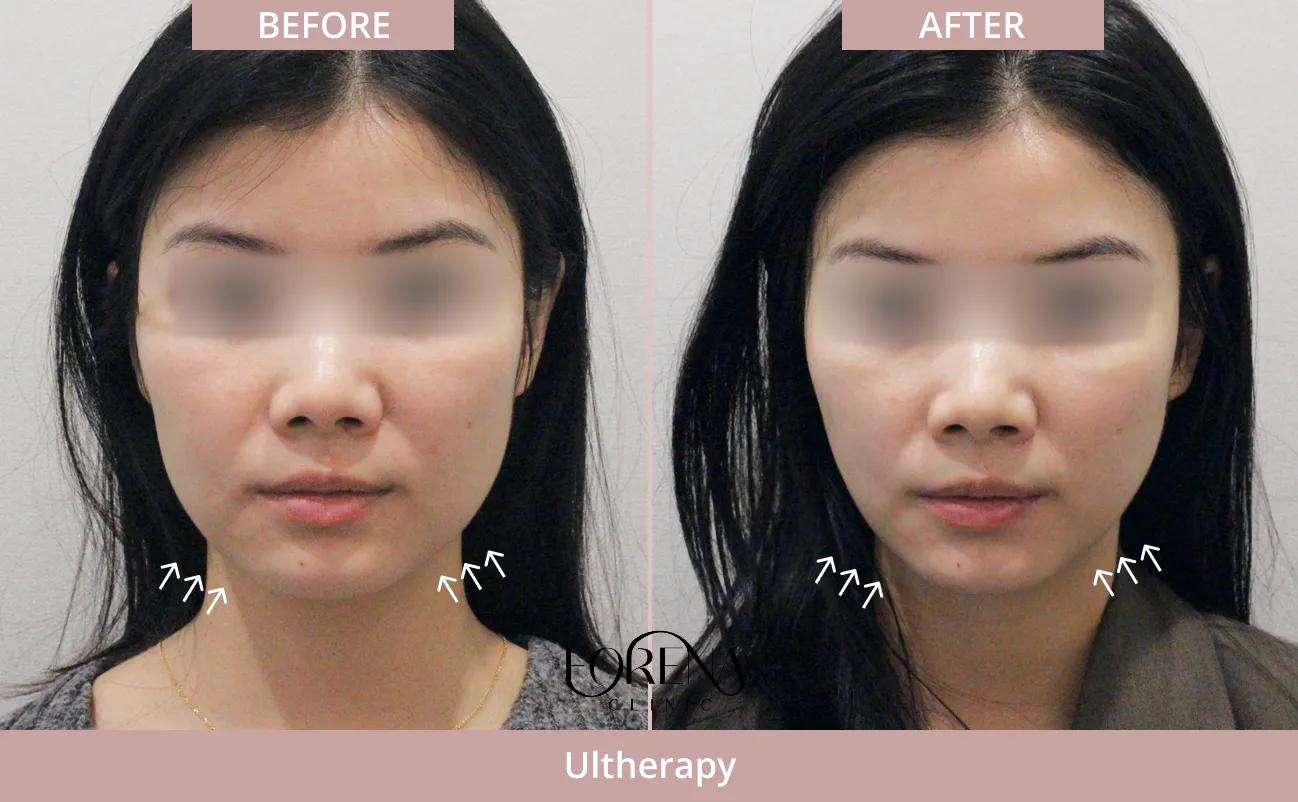
By around the first month, many people begin to notice changes in the texture of their skin. The contours seem sharper, and the lower part of the face (such as the chin line and neck) may start to appear more lifted. If you compare photos taken before and after the treatment, you should be able to spot subtle differences at this point.
Month 2–3: The most noticeable phase
According to dermatologists, around 2–3 months after the treatment is when collagen production reaches its peak, and the results are most evident at this time. During this phase, you may start receiving comments from friends saying things like “you look much better lately,” “your face seems slimmer,” or “you look younger than before”—these are all signs that Ulthera is working effectively.
Month 6: Complete improvement
By six months, the effects are usually fully visible for most people. By this point, the collagen regeneration is almost complete, and the skin’s firmness, elasticity, and contours have reached their optimal state. It is recommended to take another before-and-after photo at this time; the results will often be much more noticeable than you expect.
III. How long do the effects of Ulthera last?
Generally speaking, the effects of Ulthera can last anywhere from 12 to 18 months, and in some cases, even up to 2 years. The duration depends on several factors:
- Age: The younger you are, the higher your natural collagen levels, so the longer the effects will last.
- Sun protection: Ultraviolet rays are the enemy of collagen; it is essential to protect your skin properly after the treatment.
- Lifestyle habits: Smoking and staying up late can accelerate collagen loss and reduce the duration of the effects.
- Post-treatment care: Make sure to hydrate your skin properly and avoid excessive irritation after the procedure.
Most dermatologists recommend a maintenance treatment every 12-18 months to maintain the results.
IV. Why do so many people choose to have Ulthera treatments in Korea?
To be honest, I also took some time to research before deciding to go to Korea. There are several main reasons:
1. Price differences
In Korea, the cost of an Ulthera treatment for the entire face (about 400-600 sessions) ranges from ₩600,000 to ₩91,200,000, which is significantly cheaper than in Hong Kong and Taiwan. When you include the cost of flights and accommodation and can schedule multiple treatments at once, the overall cost-effectiveness is quite high.
2. Equipment and physician experience
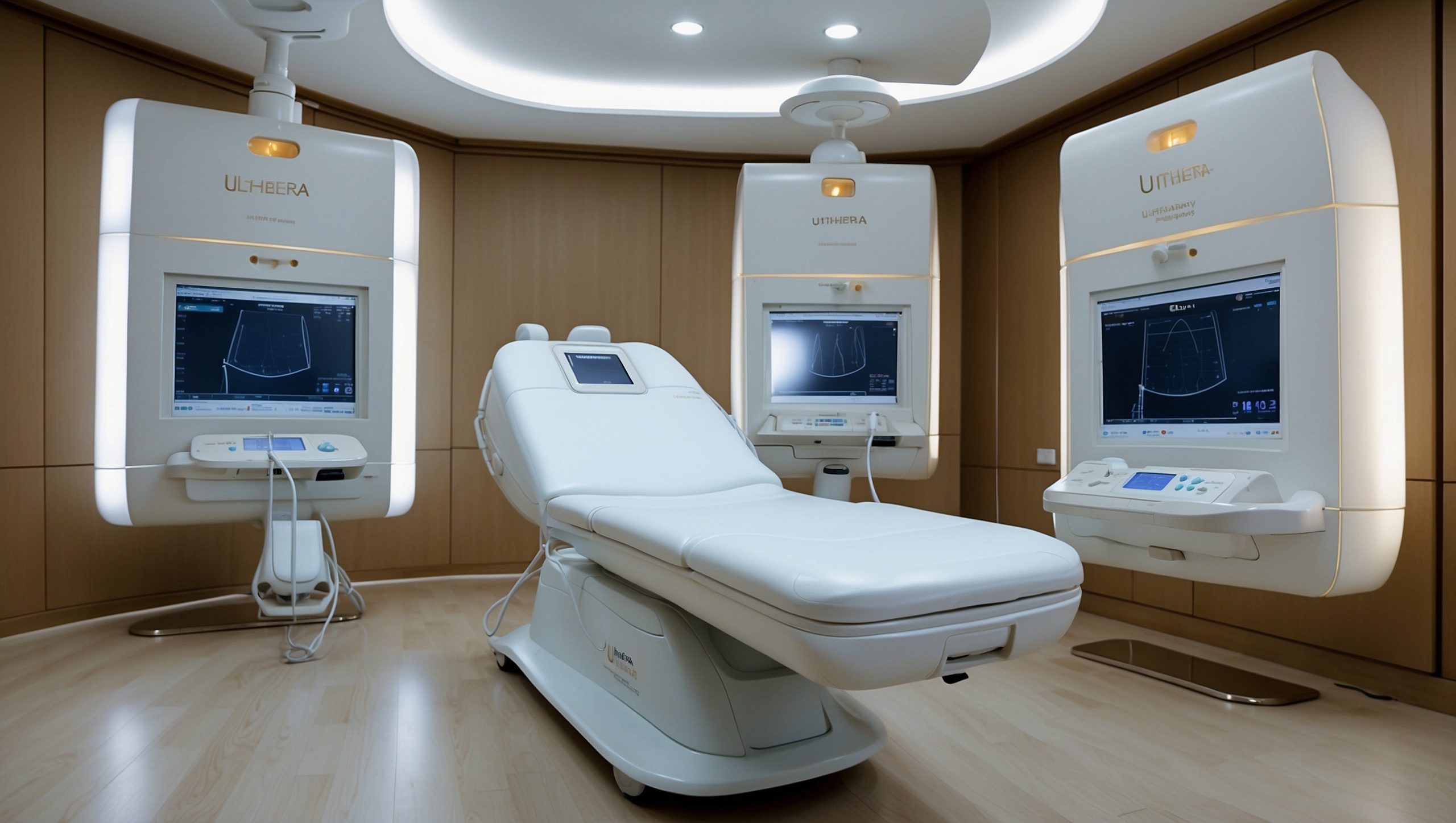
Many dermatology clinics in Korea use original Ulthera equipment imported from the United States, not knock-offs. Moreover, Korean physicians perform a large number of Ulthera treatments each year, so they have extensive experience. Choosing a clinic with FDA-certified equipment ensures greater safety.
3. Friendly service for foreigners
Many dermatology clinics in Seoul offer Chinese interpretation services, especially those in areas like Myeongdong and Gangnam, which are accustomed to serving visitors from Hong Kong and Taiwan. The reservation process is also relatively convenient.
V. FAQ about Ulthera treatments
Q1: Is the Ulthera treatment painful?
To be honest, it does cause some sensation—especially around areas close to the bones (such as the cheekbones and jawline), where you might experience brief stings or tingling sensations. However, most clinics apply numbing cream beforehand, which makes it much more comfortable. The newer Ultherapy Prime model has also improved comfort significantly compared to the first generation. The entire treatment usually takes around 60-90 minutes, and you can generally return to your normal activities immediately afterward.
Q2: How soon after the treatment can I wear makeup?
Generally speaking, if there is no obvious redness or swelling on your skin, you can wear makeup normally 24 hours after the treatment. However, it is recommended to avoid using irritating skincare products (those containing alcohol or exfoliating ingredients) in the first few days after the procedure.
Q3: At what age is Ulthera suitable for?
It is generally recommended for people over the age of 30 who have begun to notice signs of skin laxity. If the skin sagging is more severe, it may be necessary to combine Ulthera with other treatments such as thread lifting or fillers for better results.
Q4: Is one treatment enough? How many sessions are needed?
Most people see noticeable results after just one treatment, and subsequent maintenance sessions every 12-18 months are usually sufficient. However, if it is your first treatment, you are older, or your skin condition is more severe, your doctor may recommend more sessions or additional treatments for better outcomes.
Q5: How do I schedule an Ulthera treatment in Korea?
You can book an appointment through the BeautsGO platform, which specializes in providing Korean cosmetic treatment booking services for people from Hong Kong, Taiwan, and overseas Chinese communities. The platform offers a Traditional Chinese language interface, and customer service is available to assist you throughout the process, so you don’t have to worry about language barriers. After your appointment is confirmed, the clinic will also arrange for a Chinese translator to be present, ensuring a smooth consultation experience.
Final words
Ulthera is not a treatment that produces results immediately after the session; it requires some patience as the body naturally heals. However, when the results do appear, the natural and lasting improvement is something that many non-invasive treatments cannot achieve. If you are considering having this treatment in Korea, it is recommended to find a clinic that uses authentic Ulthera equipment and has doctors with extensive experience. You can also use BeautsGO to make an appointment in advance, which will save you a lot of hassle.
📅 透過 BeautsGO 預約韓國醫美
Free consultation · Traditional Chinese language service · Quick appointment