The power sockets in South Korea are different from those in Taiwan! Do you need to bring an adapter when going to South Korea? The voltage is 220V with round sockets—without one, you’re in trouble.

Before heading to Seoul, Busan, or Jeju Island, there’s one small detail that’s easily overlooked—power outlets. Many people only realize this problem after unloading their luggage upon arrival: their phone chargers won’t fit, and hair dryers won’t work at all. Taiwan uses 110V flat plugs (types A/B), while South Korea uses 220V round plugs (types C/F, European standard). Not only do the plug shapes differ, but the voltage is also twice as high. This article will clarify everything for you: whether you need an adapter, when a transformer is necessary, and where it’s easiest to buy one if you forget to bring it. Follow these packing tips, and you’ll definitely avoid being stuck without power in your hotel room.
First, let’s figure out: What exactly are the differences between Taiwan and South Korea in terms of power outlets and voltage?
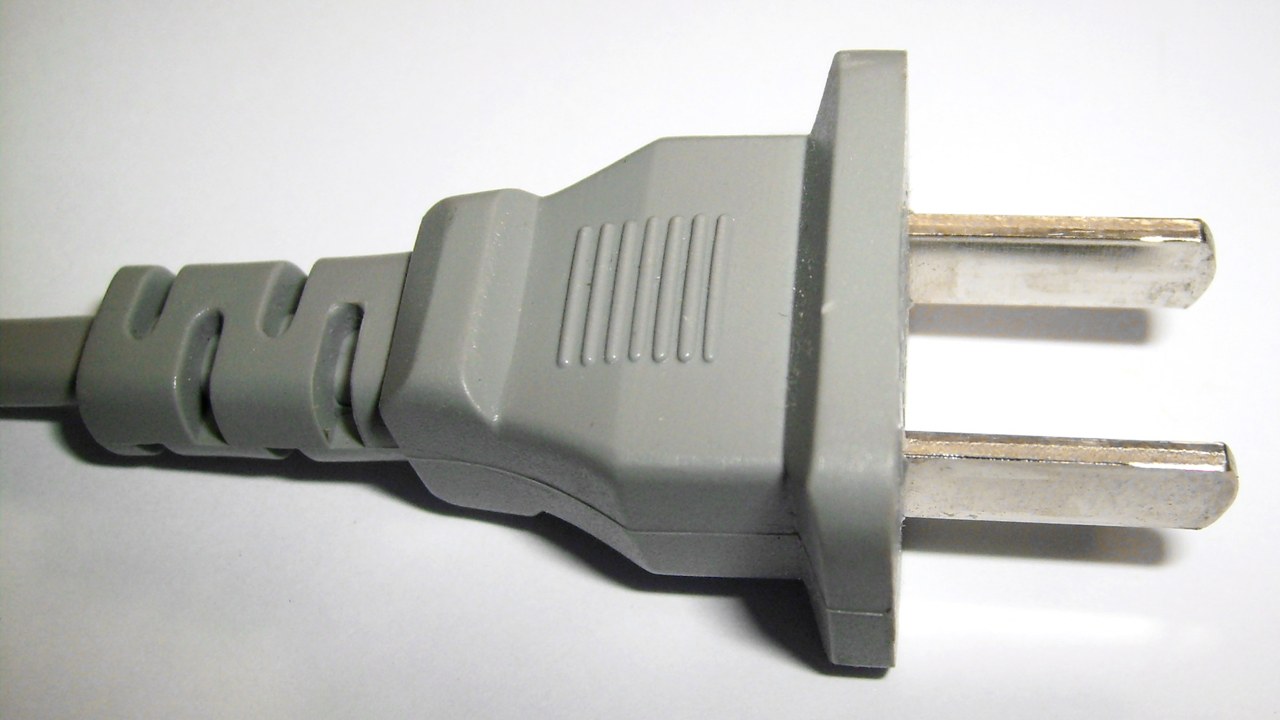
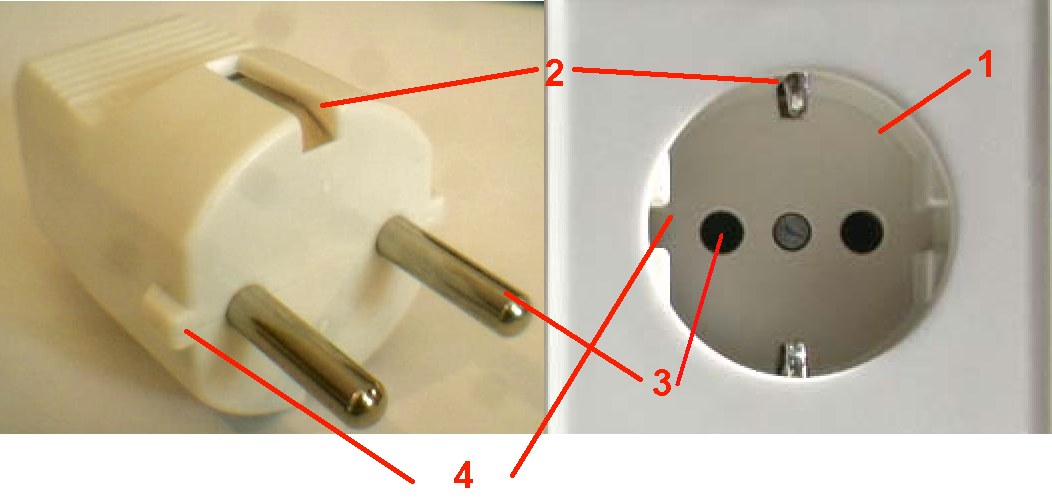
There are only two key differences between the two regions: voltage and plug shape. In Taiwan, household electricity is 110V with a frequency of 60Hz, using flat two-prong Type A plugs (some also use Type B plugs with a ground pin); in South Korea, it’s 220V at 60Hz, with round two-prong Type C and Type F plugs (Euro-style Schuko plugs). Since the frequency is the same at 60Hz, there’s no issue with that. However, the voltage differs by twice as much, plus the plug shapes don’t match at all—this is why you can’t plug it in.
Do you really need an adapter for your electronics? A quick guide to help you decide
Let’s start with the conclusion: Devices like smartphones, laptops, and cameras—those “chargers”—almost all come equipped with wide voltage compatibility (100–240V), so you just need an adapter to convert the flat plug to a round one before use. However, “heat-generating single-voltage appliances” such as hair dryers, curling irons, and electric kettles often only support 110V; plugging them directly into South Korea’s 220V outlets can cause them to burn instantly. In such cases, you must use a transformer or simply avoid bringing them along. The table below provides a direct comparison.
Here’s the key question: Will 220V damage your devices?
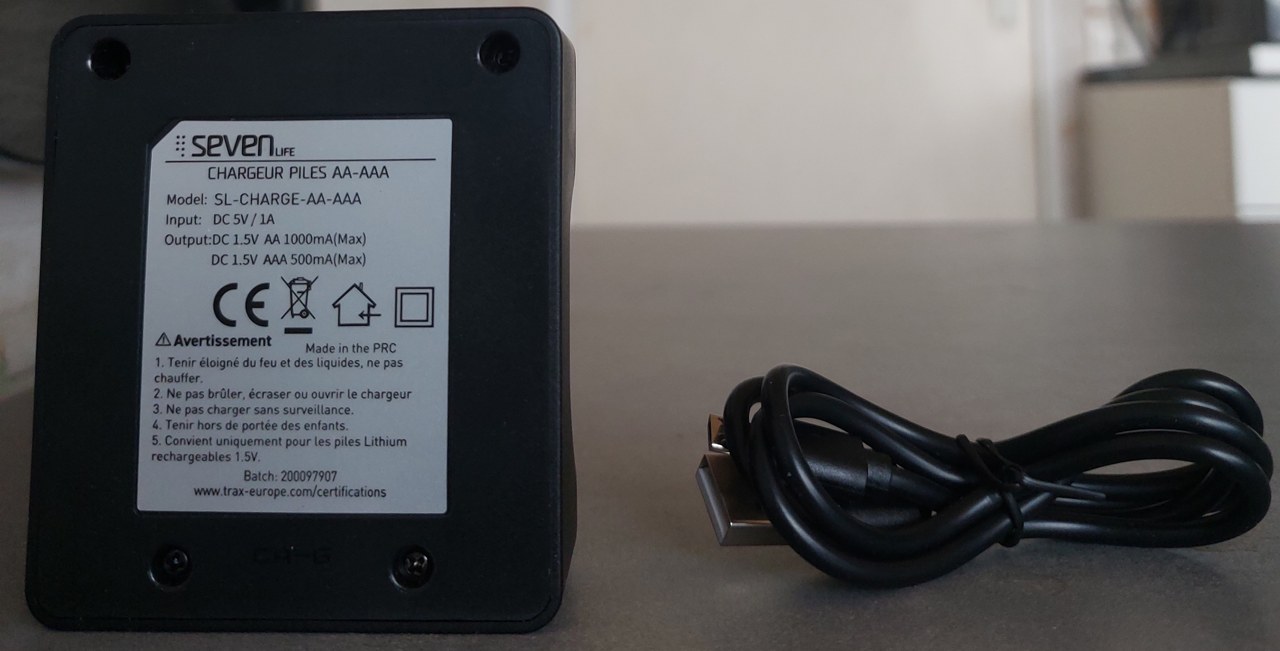
The only way to determine whether an electrical appliance is safe is to check the bottom of the plug or the device itself for the small text that reads “INPUT”. If it states “100–240V” or “AC 100–240V 50/60Hz”, it means it’s designed for universal use with a wide voltage range, so it works perfectly in South Korea’s 220V outlets—just be sure to use an adapter for the plug shape. If it only lists a single voltage such as “110V” or “120V”, then it’s meant for use in Taiwan only; plugging it directly into South Korean outlets could cause overload, damage, or even start a fire.
What’s the difference between adapters and transformers? Don’t buy the wrong one.
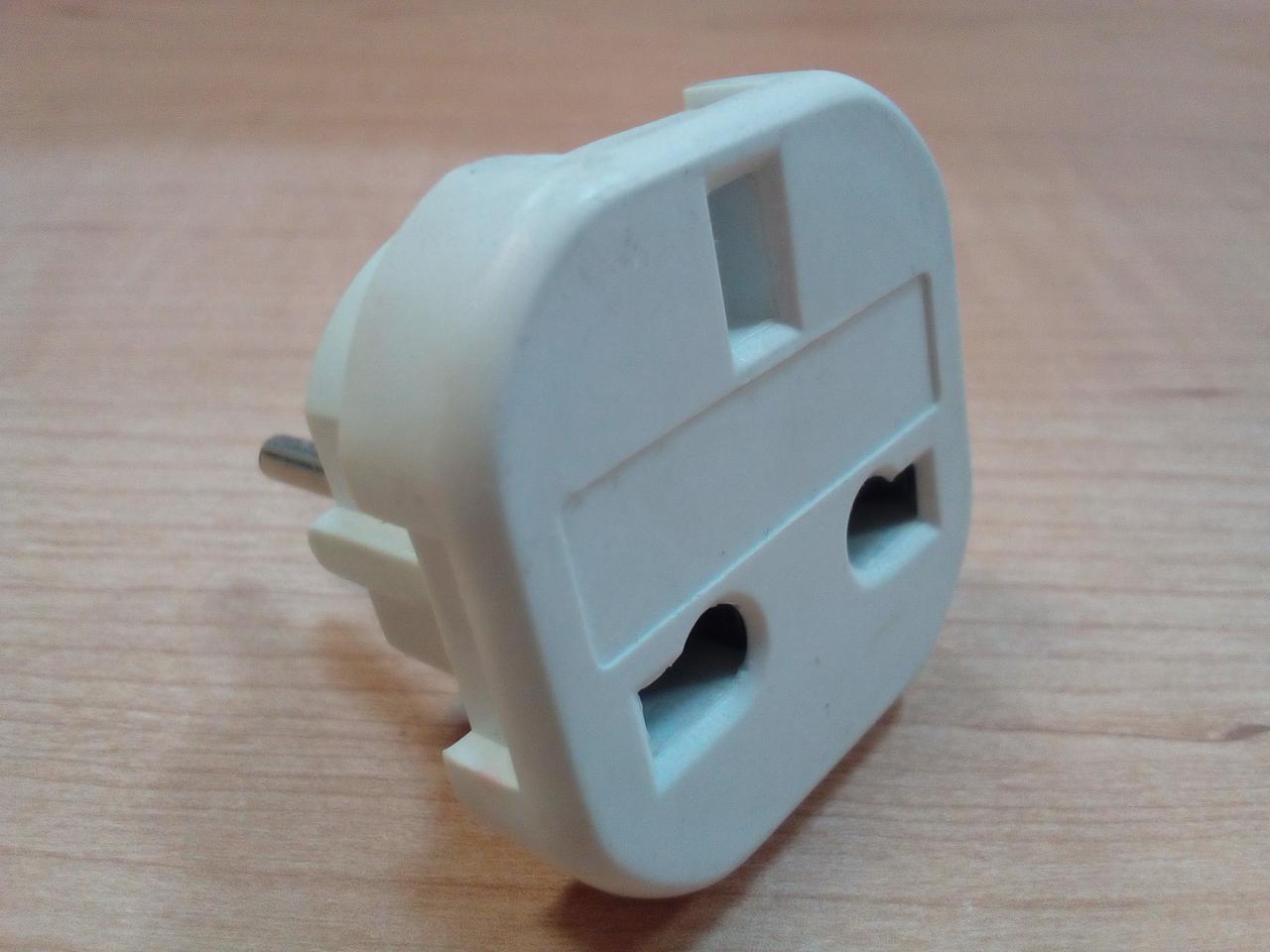
These two are often confused, but their functions are completely different. An adapter only changes the “plug shape” (from flat to round) without altering the voltage, so it can only be used with appliances that require a wider voltage range. A transformer, on the other hand, reduces 220V to 110V and is designed for appliances that operate at a single voltage level—it’s larger in size and heavier. The consequence of buying the wrong one is that a single-voltage hair dryer will still get damaged if it’s fitted with just an adapter.
What if I don’t have it? Where can I buy it in South Korea?
Don’t panic if you really forgot to bring one. The easiest solution is to ask at the hotel reception — most hotels in South Korea will lend you an adapter for free. Otherwise, you can find them at convenience stores like CU and GS25, as well as at DAISO and airport duty-free shops. They’re a bit more expensive than in Taiwan, but not by much. Here’s a breakdown of the prices for you.
Quick tip: It’s recommended to buy them in Taiwan before you set off (costs NT$100, change given). Keep them in your carry-on bag—it’s much more convenient than trying to find them once you arrive.
My list of electronics to bring to Korea: Just pack them as listed.
Finally, here’s a packing checklist you can check off directly. The rule is simple—bring only adapters for charging devices, and avoid bringing any heating appliances if possible (or use those provided by the hotel).
✅ Must-have (keep in your carry-on)
- 1–2 A→C/F adapters (included in the carry bag)
- A 1.5–2m charging cable + power strip (South Korea’s sockets are often located high on the wall or behind the TV)
- Multi-port GaN charger (one charger for phones/laptops/cameras)
- Power bank
🚫 Don’t bring it / Alternatives available
- Taiwan: Use a 110V hair dryer—or opt for one provided by the hotel or buy a 220V version from South Korea.
- 110V curling iron → Buy locally or give up
- Electric kettle → Available in hotels and water dispensers
Summary: As long as you make sure the charger has a wide voltage range (check the INPUT line), bringing along an adapter will cover 90% of your needs.
Common QA: The 4 Most Frequently Asked Questions Before You Go
Q1: Do hotels in South Korea have USB charging ports?
Many new buildings and chain hotels come equipped with USB or USB-C ports, but their location and quantity may not be sufficient. It’s best to bring along an adapter along with your own charger for the most reliable charging experience.
Q2: Can a hair dryer really be brought along?
You can bring a travel hair dryer with a wide voltage range (marked 100–240V); just use an adapter. Never bring one marked only 110V, as it will get damaged. In fact, most hotels provide hair dryers, which is the easiest solution.
Q3: Should I bring my own transformer or buy one locally?
Transformers are heavy and take up a lot of space. If your only need is something like a hair dryer, it’s most cost-effective to buy a 220V version directly in South Korea or use one provided by the hotel. Only bring one from Taiwan if you really absolutely must.
Q4: Are round-hole adapters available in Taiwan?
It’s available — you can find it in 3C stores, bookstores, and airport duty-free shops. The price is NT$100–300 per piece, with the lowest prices available if you buy them before you depart.
Read more: More travel tips for South Korea
- 🔗 Before Going to South Korea for Facial Procedures, I Asked All the Questions I Needed to Know — Complete Guide to Booking Medical Treatments, Language Requirements, Tax Refunds, and Payment in South Korea in 2026
- 🔗 Real-Time Update on Jeju Island 2026|Weather, Must-Visit Attractions, Shopping Itineraries, and Hotel Options – Everything You Need to Know
- 🔗 Myeongdong Accommodation Guide: From the airport to hotels, shopping spots to Dermatology clinics — all within walking distance of these top picks, recommended by real Dcard users
Once the charging is complete, the next step is to schedule the treatment.
Planning to fly to South Korea for cosmetic treatments? After taking care of your travel arrangements, the next step is to schedule your appointments. Let the Chinese customer service at BeautsGO help you book one-on-one consultations with Dermatology clinics in Seoul, Busan, and Jeju Island, so you don’t have to worry about language barriers or transportation.
Free consultation · Traditional Chinese service · Quick booking