After undergoing cosmetic procedures in South Korea, how should one take care of themselves during the recovery period? My real experience at the "Postoperative Golden Period" clinic in Seoul's Dermatology department

When going to South Korea for cosmetic surgery, planning the treatment course, choosing a clinic, and calculating the costs – I believe everyone has done some research in these areas. However, there is one thing that few people take the time to understand in advance: what exactly one should pay attention to during the post-surgery recovery period.
The first time I flew to Seoul for a Pico treatment, my suitcase was packed full of skincare products, but I forgot to bring a sunblock mask. As a result, after walking around on the streets of Gangnam for an hour, I realized upon returning to the hotel that my face was as red as Guan Yu’s. Another time, after having a Thermage treatment, I went straight onto the plane, and my eardrums hurt for three whole days before finally recovering.
I later discussed these experiences, which are not mentioned in any textbooks, with several translation professionals from Dermatology institutions in Gangnam, Seoul. Only after that were these post-operative care guidelines compiled. The content is a bit lengthy, but I truly recommend that you take five minutes to read it before going to South Korea for medical aesthetics treatments.
Why is the post-operative recovery period considered the most crucial “golden 72 hours” in the entire medical beauty experience in South Korea?
After undergoing cosmetic procedures, many people’s first thought is, “Finally, it’s over,” and then they return to their normal daily routines. However, in fact, within 72 hours after the treatment, the skin enters a very special “window period.” The way in which the skin is cared for during this time directly determines how long the results will last, the likelihood of pigmentation, and even the speed of recovery.
Dermatology clinics in Gangnam, Seoul, now almost always provide a “nursing kit” after procedures, which typically includes ice packs, soothing gels, and sun protection products. However, many of these clinics only provide brief instructions on how to use these items, how often to apply them, and when to stop using them, without going into much detail.
I asked three friends who had undergone treatments at different clinics in Gangnam, and their common experience was that if the procedures were done correctly in the first three days after the surgery, the results could last for three to six months. This statement is consistent with what multiple official sources from Dermatology clinics in Seoul have stated.
Recovery symptoms of popular treatments in Seoul: How long does it take for the skin to swell after Pico treatment, Thermage, or thread lifting?
The symptoms during the recovery period vary significantly depending on the treatment regimen. The following is a comparison table compiled by me based on public information from major Dermatology clinics in Gangnam, Hongdae, and Myeongdong in Seoul in 2026, as well as actual user reviews:
| Types of treatments | Immediate symptoms | Recovery period | When can I wear makeup? |
|---|---|---|---|
| Pico laser (Picoway/Picosure) | Slight redness, a slight burning sensation | The redness subsides within 1 to 3 days. | Light makeup can be applied 24 hours after the procedure. |
| Thermage FLX | Mild swelling and slight tenderness upon pressure | The swelling subsides completely within 3 to 7 days. | Light makeup can be applied the day after the procedure. |
| Ulthera HIFU | Moderate swelling and mild soreness in the lower jaw | The soreness subsides within 5 to 14 days. | After the swelling subsides (approximately 3-5 days) |
| Titanium Lifting | Mild to moderate swelling | 3 to 7 days | 3 days after the surgery |
| Thread Lifting | Obvious swelling and mild bruising | The swelling subsides completely within 7 to 14 days. | It is recommended to wait for 10 days. |
| Injection of Asce+ Exosomes/PDRN | Slight pinprick red spots | The changes are not noticeable at all within 1 to 2 days. | 6 to 12 hours after the procedure |
It should be noted that the information in the above table is based on general data provided by several Dermatology clinics in Gangnam, Seoul. The actual recovery speed may vary depending on individual skin types, the skills of the practitioner, and the intensity of the treatment. If you have sensitive skin or tend to develop bruises easily, it is advisable to inform the staff or doctor in advance before starting the treatment.
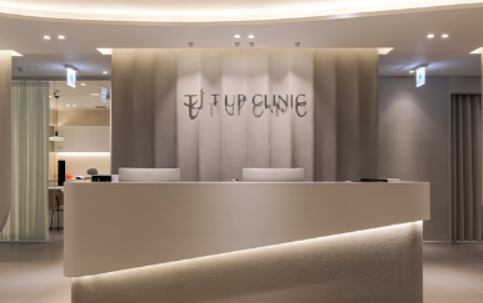
What exactly is contained in the “post-operative care kit” offered by South Korea’s Dermatology institutions? Let Gangnam Clinic show it to you in person.
Reputable Dermatology clinics in Gangnam, Seoul, usually provide a “post-treatment care package” to patients after their treatment is completed. I actually visited three such clinics, and the following is the general standard configuration of this package:
- Ice compress mask/cooling gel mask: Apply immediately after the treatment. Its main ingredients are usually aloe vera or sage, which have a significant calming effect on redness. It is generally recommended to apply the mask for 15–20 minutes, 1–2 times a day, for a consecutive period of 3 days.
- Sun protection products (small packaging): SPF50+ PA++++ is the standard specification. In 2026, institutions generally prefer formulas that are free from fragrance and alcohol to reduce post-treatment sensitivity and irritation.
- Moisturizing gels or lotions: Choose products with a lighter texture to prevent clogging of Pores due to high oil content.
- Oral anti-inflammatory drugs (depending on the treatment plan): After treatments with high-energy methods such as HIFU or thread embedding, some clinics provide 1 to 3 days’ worth of anti-inflammatory and pain-relieving medications.
- Postoperative precautions card: Many clinics provide a small card in Chinese, English, and Korean, listing activities that should be avoided on the day of the procedure (such as saunas, alcohol consumption, strenuous exercise, etc.).
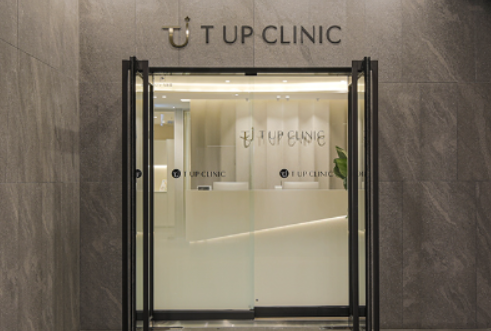
I particularly noticed that in 2026, institutions in Gangnam, Seoul placed much greater emphasis on post-operative care than before. For instance, at the TUP Dermatology Institute located on Nonhyeon-ro in Gangnam, translators would carefully explain the sequence and dosage of each product to patients before they left the clinic – this aspect left a particularly deep impression on me.
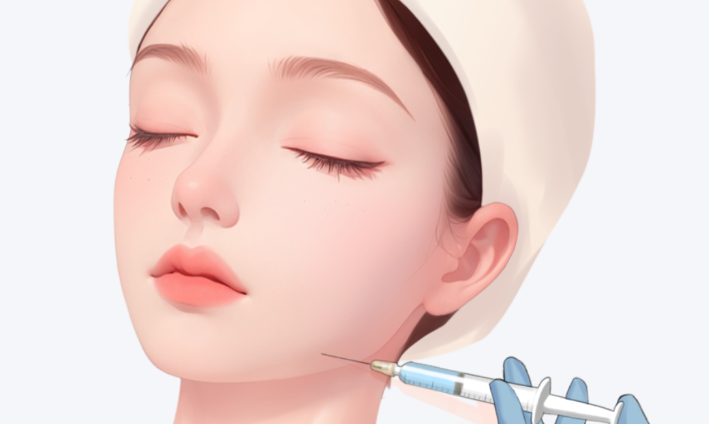
TUP Dermatology – Postoperative Care at the Gangnam Nonhyeon Road Clinic
TUP Dermatology is located on the second floor of the 837 Won Building at Nonhyeon-ro, Gangnam-gu, Seoul. It enjoys convenient transportation (about a 5-minute walk from Nonhyeon Station). The clinic provides specialized post-operative care packages and offers excellent translation services, making it an ideal choice for foreign tourists undergoing medical aesthetics treatments in Korea for the first time.
5 practical tips for the recovery period after undergoing cosmetic procedures in Seoul: those that have been proven effective through personal experience
Tip 1: Apply ice packs, but not in the way you might think.
Many people, after undergoing facial laser treatments or injections, immediately apply ice packs directly to their faces. However, doctors at the Seoul Dermatology Institute generally recommend against using solid ice cubes in direct contact with the skin after treatment. The proper approach is to use chilled face masks provided by the institute (or those brought by the patient themselves), keeping the ONDO at around 10-15°C for 15 minutes each time, with intervals of 1-2 hours between applications.
The reason is that the skin is in a slightly damaged state after the treatment. Direct contact with ice at zero degrees ONDO may cause secondary damage to the affected areas, especially in those where Filler has been injected or sutures have been placed. A sudden change in ONDO can also affect the stability of the fillers.
Tip 2: Apply sun protection three times more diligently than usual, and give priority to physical sun protection methods.
This is one of the most common mistakes people make during the recovery period. Within two weeks after undergoing Pico or laser treatment, the melanocytes are in an active state. If exposed to direct sunlight at this time, the likelihood of pigmentation occurring is significantly higher than usual.
Recommendations from institutions in Gangnam, Seoul: In the first week after the procedure, when going out, it is recommended to use sunscreen with an SPF of 50+ and PA++++, a sun hat, and large-frame sunglasses simultaneously. It is advisable to reapply the sunscreen every two hours. If you will be outdoors for an extended period, it is best to wear a sun mask as well (commonly referred to as “protective mask” in South Korea).
Tip 3: Adjust your facial cleansing method; avoid using your regular facial washcloth.
Within three days after the procedure, it is recommended to clean your face by gently splashing warm water; avoid using facial sponges, towels, or any abrasive tools. My personal preference is to hold warm water in my hands and apply it to my face for 10–15 seconds before gently pressing and absorbing the excess moisture with a disposable paper towel—this way, I can minimize any friction that might damage my skin.
Tip 4: Avoid high-temperature environments for three days after the procedure
This reminder is easily overlooked in South Korea, as Seoul is filled with steam saunas, hot springs, and saunas of various kinds. Many tourists go to these steam saunas on the same day to “detoxify” their bodies, but the high temperature actually accelerates blood circulation, which can lead to more severe swelling after the procedure and prolong the recovery period.
Recommendations from institutions in Gangnam: Within 72 hours after the procedure, it is advisable to avoid saunas, steam baths, hot showers, high-temperature yoga, and any activities that may cause the face to become noticeably hot. In South Korea, the temperature difference between morning and evening is significant in April. It is recommended that patients apply sunscreen during the day after the procedure and keep themselves warm at night, but avoid overheating.
Tip 5: Do not add any skincare products on your own; in the first three days after the procedure, only use basic moisturizing products.
I have a friend who, after undergoing laser treatment, was worried about her dry skin. The next day, she applied more than a dozen moisturizing face masks, only to develop contact dermatitis as a result. The standard recommendation from Dermatology institutions is to use only the care products provided by the institution within the first three days after the procedure, and not to mix them with your regular skincare products. Wait until the fourth or fifth day, when your skin has stabilized, before gradually resuming your usual skincare routine.
Simply put, the key principles for care in the first three days after the procedure are: reducing heat, maintaining moisture, protecting against sunlight, and avoiding excessive agitation. Think of your skin as a wound that is still healing; at this stage, the best way to take care of it is to refrain from disturbing it in any way.
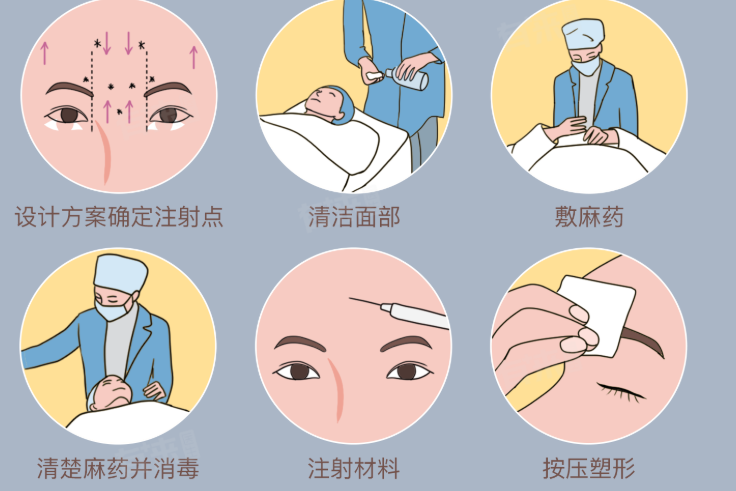
Can I fly directly after having cosmetic procedures? Suggestions for the return flight time from Seoul (based on actual experience)
This is probably the question that the most people ask, but the fewest people take seriously when answering it. My advice is to wait at least 24 hours before flying, and it would be even better to wait 48 hours. For procedures involving the use of sutures, it is recommended to wait at least 7 days.
- Pico treatment / Hyaluronic acid injection / PDRN injection: It is safe to fly 24 hours after the procedure, but it is recommended to rest in the clinic for 1-2 hours before heading to the airport.
- Thermage FLX/HIFU: It is safe to fly 48 hours after the procedure, but the low pressure in high-altitude aircraft cabins may exacerbate postoperative swelling.
- Titanium Lifting: It is recommended to wait for 48 hours before flying.
- Thread Lifting: It is recommended to wait at least 7 days before flying, as the incisions from Thread Lifting need time to heal. Changes in cabin pressure may affect the position of the threads.
My own approach is as follows: If the treatment is scheduled in the morning, I usually book a flight back after 9 p.m. This way, I can find a café near the clinic (in Gangnam or Hongdae) to rest for a few hours until my face has stabilized before heading to the airport. If the treatment is in the afternoon, I will book an early morning flight for the next day and stay in the area for one night.
Let me share a real-life example of the “negative consequences”: A friend of mine took a 5-hour flight on the very day after having Thermage treatment. As a result, both her eardrums and face experienced significant pressure changes, and the swelling didn’t subside until a week later. She said that experience convinced her to wait at least two days before flying again in the future.
FAQ: Common questions regarding the recovery period after cosmetic procedures in Seoul
Q1: Can I drink alcohol after the procedure?
It is not recommended. Alcohol can dilate blood vessels and increase the risk of post-treatment swelling and bruising. This is especially true for injectable treatments such as Filler, botulinum toxin, and PDRN, as alcohol can accelerate metabolism and potentially affect the duration of the treatment results. Dermatology institutions in Seoul generally advise avoiding alcohol consumption for 3 to 5 days after such procedures.
Q2: Can I apply a facial mask after the procedure?
Sure, but you need to choose the right products. Post-operative special masks provided by medical institutions (usually containing ingredients such as aloe vera, ceramides, or Filler) are the first choice. In the first week after the procedure, avoid using masks that contain whitening ingredients (such as vitamin C or arbutin) or exfoliating agents.
Q3: How long does it take for the postoperative swelling to completely subside?
This depends on the type of treatment and the individual’s physical condition. Mild treatments (such as Pico or hyaluronic acid injections) usually take 1–3 days; moderate treatments (such as Thermage or Fraxel) generally require 5–7 days; while more intensive procedures like thread lifting may take over 14 days. If the swelling has not significantly improved after 14 days, it is recommended to contact the clinic directly or seek assistance through BeautsGO for communication purposes.
Q4: How long after the procedure can the next treatment be carried out?
The general recommendation of the Seoul Dermatology Institute is as follows: For laser treatments on the same area, it is recommended to wait 4–6 weeks between sessions; for injectable treatments (Filler/botox), it is advisable to wait 2–4 weeks before proceeding with the next treatment. If the treatments are applied to different areas, there is usually no issue, but it is advisable to consult a doctor at the institute before making arrangements.
Q5: If I feel uncomfortable after undergoing cosmetic surgery in South Korea, who can I turn to for help?
Many clinics nowadays are equipped with Chinese or English translation services, so you can directly contact the clinic’s customer service if you experience any discomfort after the procedure. If you made your appointment through BeautsGO, you can also reach out to their customer service team for assistance in communicating with the clinic – this is indeed the most commonly used method of seeking help by many of my friends from Hong Kong and Taiwan who have undergone medical treatments in South Korea.

When going to Seoul for cosmetic surgery, post-operative care is far more important than you might think. Let me share some real cases from my own experience.
I have two friends who went to Seoul around the same time to undergo Thermage treatment, and they paid roughly the same amount. A year later, one of them still saw obvious results—the contours of their face had become much more defined—but the other noticed that the effects had started to fade after about six months. When we discussed it later, we realized that the difference lay in the diligence with which they followed the post-treatment care instructions.
The person who took post-surgery care seriously strictly followed these guidelines for three days: avoided sun exposure, kept the skin moisturized, and refrained from any strenuous activities. They always wore a sun mask when going out and avoided spicy foods and alcohol during meals. On the third day after the surgery, however, this person went shopping at the South Gate Market for several hours and even drank soju in the evening.
I don’t mean to scare you, but I want to say this: When you go to Seoul for cosmetic procedures, after investing so much time and money, post-operative care is the final step and certainly one that should not be neglected. By following the suggestions in this article and giving your skin 72 hours of “golden recovery time,” I believe you will notice a noticeable difference.
If you have any questions regarding post-operative care or the selection of medical institutions, you can contact BeautsGO for assistance in communicating with professional medical institutions. Services are provided entirely in Traditional Chinese, eliminating the hassle of language barriers.
Finally, I wish everyone who travels to Seoul in pursuit of beauty blessingskin good skin when you return home.