Are the plastic surgery clinics in South Korea with IDs rated well? Is the appearance natural after surgery, and are the scars and texture realistic? One comprehensive review from real users on Dcard and PTT covers it all.

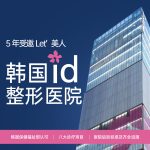
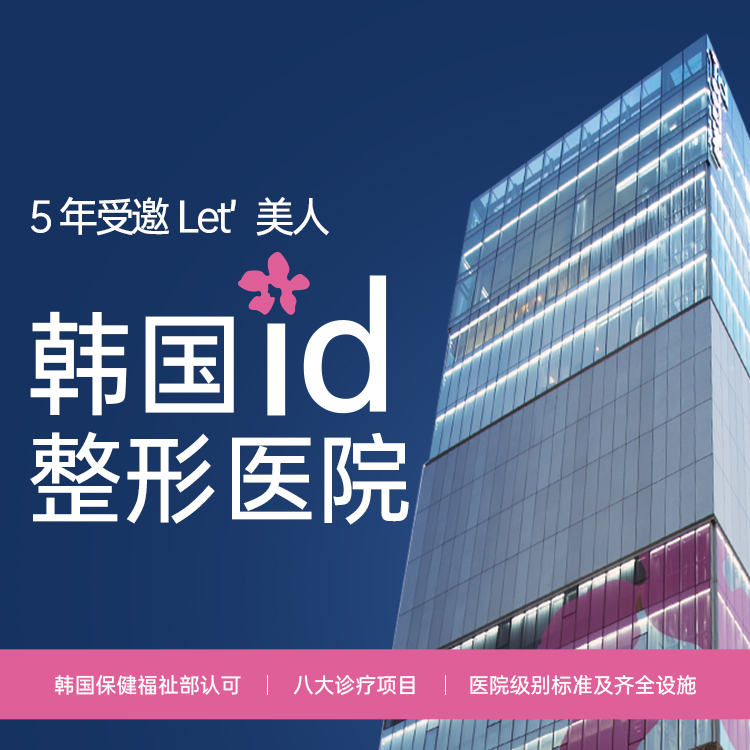
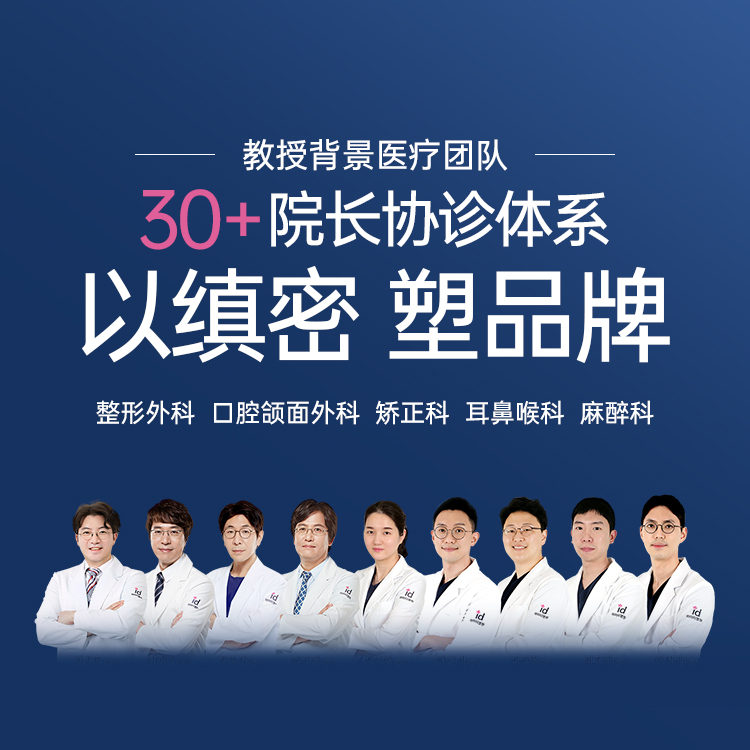
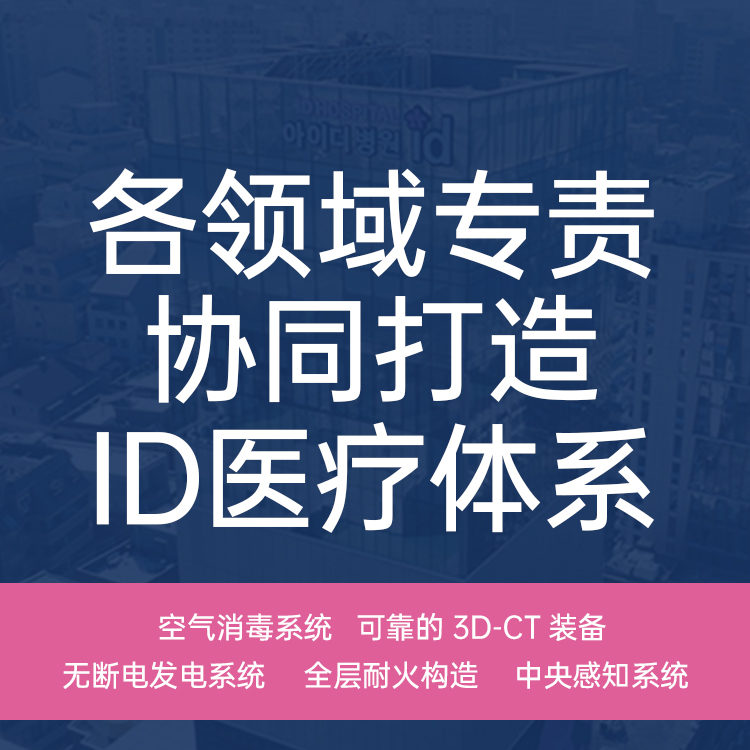
Let’s get straight to the point: ID Hospital in South Korea (ID Hospital / 아이디병원) is a well-established “comprehensive plastic surgery hospital” located in Gangnam, Seoul. What sets it apart is its 22-story building, 9 specialized centers, and team of expert professors working together—far beyond what a small clinic can offer. However, when it comes to questions like “Is the results good? Do they look natural? Will there be scars? Are the results realistic?” you can’t rely solely on the hospital’s reputation; you need to examine the details. Below, we break down 5 key aspects that real patients most often ask about, helping you quickly determine whether ID Hospital deserves a spot on your comparison list.
If you’re short on time, you can start right with this “Quick Decision Table” below:
| The issues that concern you | The corresponding answer from ID Hospital (short version) | Should we keep reading? |
|---|---|---|
| ✅ Is it a large-scale clinic or could it be an unlicensed one? | 22-layer monomer, certified by South Korea’s Ministry of Health and Welfare, located in Apgujeong, Gangnam, Seoul | 👇Check H2 ① Clinics |
| ✅ Naturalness / Scarring / Texture | Look at the surgical procedure and doctor, not just the hospital name. | 👇Check H2 ②: The three key issues |
| ✅ Real experiences from Dcard/PTT users | Below are the common conclusions discussed by three types of cosmetic surgery seekers. | 👇Check H2 ③ to see what netizens are saying |
| ✅ How to get the best price / How to compare prices | View: Procedure + Doctor Selection + Whether Anesthesia and Hospital Stay are Included | 👇Check H2 ④ for prices |
| ✅ Is it right for me? How to make an appointment | 👇Check H2 ⑤ Who it’s suitable for + ⑥ How to book | 👇Keep reading |
👇 Let’s break it down chapter by chapter.
① What exactly is a South Korea ID plastic surgery clinic?
ID Hospital (ID Hospital / 아이디병원) is located at 142 Dosan-daero, Gangnam-gu, Seoul. Established in 2004, it is one of the few plastic surgery clinics in South Korea that operates from its own standalone building—a 22-story structure entirely owned by the clinic, rather than renting just a few floors in an office complex. While this distinction might not be immediately apparent to patients from Taiwan, Hong Kong, or mainland China, it’s a significant factor for locals: owning the building means substantial investment in equipment, protection from rent hikes by landlords, and higher stability overall.
Certification Background: A plastic surgery clinic certified by South Korea’s Ministry of Health and Welfare (not just designated as a “medical facility for foreign tourists,” but rather certified at the hospital level). This certification represents a strict requirement for hospital qualifications in South Korea—without it, a facility cannot use the title of “hospital.”
② The 3 things that worry you the most: naturalness, scarring, and whether the texture feels real?
These three issues are most frequently raised by patients seeking cosmetic treatments, but they aren’t problems at the hospital level—they stem from the combination of “doctor + procedure.” The table below first outlines the real factors that influence these three aspects, followed by ID Hospital’s corresponding resources:
| What worries you | The real factors that affect the results | Resources corresponding to ID Hospital |
|---|---|---|
| 👃 Natural look after rhinoplasty | Implant material, doctor’s aesthetic sense, and whether to opt for “customized Jogak” instead of a standard L-shaped design | Multidisciplinary collaboration: Plastic Surgery + Oral and Maxillofacial Surgery + Anesthesiology |
| 🩹 Scar Reduction for Wounds | Incision location, suture layers, postoperative care (swelling reduction, redness mitigation, silicone sheets) | Independent “edema care center,” 1:1 consultation room, post-surgery imaging tracking |
| 🤚 The texture of the Breast and chin feels incredibly realistic | Implant brand (Manta/Magic Drop/Sabine), placement depth, surgeon’s technique | Among the 9 major centers are a Breast Surgery Center and a dual-track approach offering autologous fat transplantation versus implants. |
In other words, for the same ID hospital, the difference in naturalness between treatments performed by different doctors can be even greater than that between two different hospitals. That’s why H2 ⑤ below will specifically cover how to choose a doctor.
③ Real experiences from Dcard/PTT users: 3 common conclusions
The following three sections aren’t copies of any actual posts. Instead, they summarize three typical conclusions that keep reappearing in discussions on the Dcard “Plastic Surgery in South Korea” board and the PTT “Korea-Travel / Beauty” board over the past year. If you browse these boards, you’ll find that people’s concerns mainly focus on these three points:
▎Type A: “Worried it will look fake and be obvious at a glance”
Common questions from those seeking this procedure: “Will my nose look fake at first glance?” “Will my chin look like a snake-like face from the side after the surgery?”
A common conclusion seen in replies online is: “A doctor’s aesthetic skills matter more than the hospital’s reputation. Instead of choosing based on the ID or a well-known clinic, it’s better to look at the doctor’s past cases (before/after) and pick one created by a doctor whose style matches your natural face shape.” “Naturalness doesn’t mean simply making it smaller—it needs to fit your original facial proportions; otherwise, even if it’s made smaller, it will still look fake.”
Specific advice for ID hospitals: Before making an appointment, specify which director you’d like to meet (there are significant differences in aesthetic results depending on the center and director), so you won’t end up with a random assignment. Before placing your order, ask them to send you 2–3 real patient cases that closely resemble your original face shape (not official promotional photos), so you can make your own judgment.
▎Type B: “Worried about scarring and visible incisions”
Common questions from those seeking the procedure: “Will the incision in the nasal septum be visible through the nostrils?” “Will the incision for lifting the eyelids be noticeable?”
A common conclusion seen in online replies is: “For those who undergo Rhinoplasty with an internal approach (through the nasal septum), scars are almost invisible; for those who opt for an external approach (through the columella), scars can only be detected if you look closely—about 1-2 mm at most.” “The scars are most noticeable 3 months after the surgery, with redness fading by 70-80% after 6 months. Using scar-reducing gels or silicone sheets can help speed up this process.”
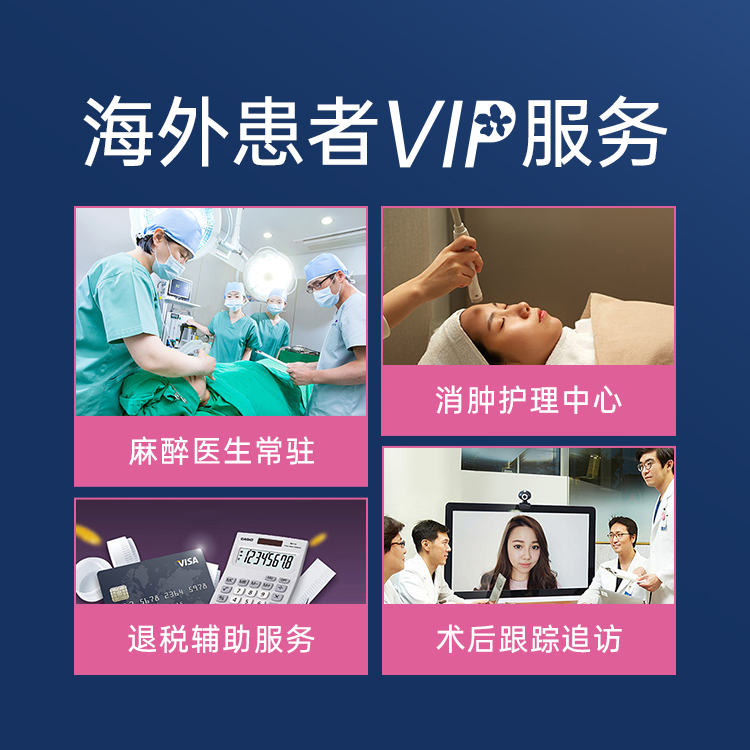
Specific advice for ID Hospital: During the pre-operative consultation, ask about three key points right away—① the location of the incisions, ② the number of layers used for suturing (whether layered suturing is applied), and ③ whether scar reduction treatment is included in the package. ID Hospital has its own dedicated swelling reduction care center, where patients can receive treatments such as swelling reduction, redness mitigation, and repair light therapy starting from the day after surgery—a service that’s more comprehensive than what most smaller clinics offer.
▎Type C: “Worried about the implant feeling hard and having a noticeable edge”
Common questions from those seeking this post: “Which is softer, Magic Drop or Manta?” “Will chin implants make it look hard and bulgy when I smile?”
A common conclusion from responses online is: “The brand of the implant accounts for 50% of the texture, while the size of the pocket created by the surgeon determines the other 50%. If the pocket is too small and the implant gets compressed, edges become more noticeable.” “Autologous fat yields the softest texture, but it’s absorbed by 30–50%, so two procedures might be required.” “For chin augmentation, customized Jogak implants are recommended as they fit much better than standard L-shaped implants.”
Specific advice for ID Hospital: When making an appointment, ask directly which brand will be used, whether customization is possible, and the placement level (above or below the muscle), rather than just asking “how much it costs”.
④ How to get the best prices at hospitals with South Korea IDs? 4 key factors affecting quotes
The “surgery costs” listed by large plastic surgery clinics in Seoul almost never include anesthesia, hospitalization, swelling reduction care, anti-inflammatory drugs, or post-operative check-ups. The actual amount you’ll have to pay depends on these four factors:
| Impact variables | Why does it affect the quote? | Negotiation / Cost-saving options |
|---|---|---|
| ① Is the director specified? | Price difference between named and unnamed: 30-100% | Yes, but don’t just switch doctors randomly to save money. |
| ② Implant Brand | Mojidi > Saibin > Mandao, 20-40% price difference per tier | Yes, there are in-hospital discounted options available. |
| ③ Anesthesia method | Full body / Sleep / Localized areas – price difference of 1–3 times | No, it’s not recommended to opt for major surgery on the hands just to save money. |
| ④ Does it include hospitalization/demulching? | One night of hospital stay ≈ an additional 10,000–20,000 TWD; swelling reduction package ≈ an additional 5,000–10,000 TWD | Yes, you can choose between “surgery only” or “surgery + comprehensive care”. |
Practical tip: When seeking a consultation, ask the clinic to send you a “comprehensive quote” that includes costs for anesthesia, medications, hospital stay, swelling reduction, and all post-operative follow-up visits. Compare the figures by checking the “total cost” column first. ID Hospital offers a dedicated tax refund assistance service, allowing foreigners who spend a certain amount or more to get a refund on the spot (either via VISA or cash), something that most smaller clinics do not provide.
👉 Want a detailed plan and quote? Book through MedGuard’s “ID Hospital” card for free Chinese-speaking consultations—no fees required, no obligation.

⑤ How to determine if ID Hospital is right for you? Quick Match Guide for 4 Demographic Groups
| You’re the type of person. | Recommendation level | Reasons |
|---|---|---|
| Those who need “treatment of multiple areas in one session” (e.g., nose + chin + contour) | ⭐⭐⭐⭐⭐ | Multiple specialties collaborate under one roof, with different directors providing consultations on the same day |
| Prioritize “post-operative care” and don’t want to worry about finding accommodation or a translator on your own | ⭐⭐⭐⭐⭐ | Swelling Management Center, Post-surgery Follow-up Imaging, On-site Chinese Translation Service |
| On a tight budget, looking for the cheapest option | ⭐⭐ | Single-story buildings are costly, resulting in prices that are 10-30% higher than those of smaller clinics. |
| Only perform “minor single procedures” (such as Double eyelid surgery or simple nose augmentation) | ⭐⭐⭐ | It’s possible, but it’s overkill; you might consider a Dermatology research institute instead. |
⑥ How to make an appointment and what should I keep in mind?
A “mistake-proof checklist” for those going to South Korea for plastic surgery for the first time:
- First, schedule an online consultation in Chinese—just use the “Mei Weishi ID Hospital” card to book, and there’s no charge for Chinese-language consultations. When booking, please note: ① the areas you’d like to improve, ② the director you’d like to meet, and ③ whether you need translation on the day of the surgery.
- On the day of arrival at the clinic, you’ll have a “personal consultation with the clinic director” — it’s not just a talk with a consultant; you get to meet the director in person who will perform the surgery. The consultant can only discuss prices, while the director decides on the surgical procedure.
- Receive the “comprehensive quote package” — including anesthesia, medications, hospital stay, swelling reduction, all post-operative follow-ups, the brand and model of the implants, along with your signature for confirmation.
- Check your eligibility for tax refunds—foreigners can get refunds on the spot; don’t forget to bring your passport.
- Follow-up visits on days 1, 3, and 7 after surgery — swelling reduction care must be continued consistently; stopping it will affect the recovery timeline.
⑦ Top 3 Frequently Asked Questions (FAQs) About ID Hospital
1. 韓國 ID 整形醫院評價真的好嗎?會不會被坑?
Certified by South Korea’s Ministry of Health and Welfare, with a 22-story building and 9 major centers, ID is considered a “mid-to-large scale comprehensive plastic surgery hospital” in South Korea—not an unlicensed clinic. However, the quality of care ultimately depends on the attending surgeon, so be sure to specify one when making an appointment. Before deciding to proceed with surgery after the consultation, it’s wise to get quotes from at least 3 different clinics, including one Dermatology practice and one plastic surgery clinic, for comparison.
2. 術後自然度、傷口疤痕、觸感真實嗎?
These three factors depend on the doctor’s aesthetic skills, the brand of implants used, and post-operative care — things that cannot be guaranteed by just the name of the hospital. ID Hospital does have all three key advantages: multidisciplinary collaboration, an edema management center, and 1:1 follow-up after surgery — yet the final results can still vary depending on the attending physician. It’s recommended to check 2–3 real before-and-after cases of people with faces similar to yours before making a decision.
3. ID 醫院價格透明嗎?會不會有隱藏費用?
Large hospitals tend to have relatively transparent pricing, but “surgery cost ≠ total expense.” Be sure to get a “comprehensive quote” to see the final amount, paying close attention to whether anesthesia, hospital stay, swelling reduction treatments, fever reducers, anti-inflammatory drugs, post-operative follow-ups, and the brand of implants are included. Foreigners should remember to claim tax refunds on site.
⑧ Summary + How to Book
Korea ID Plastic Surgery Hospital is a medium-to-large-sized plastic surgery facility that offers comprehensive services with “all the necessary resources, though at a premium price.” It’s ideal for those who need multiple procedures done at once, place a high value on post-operative care, and have sufficient budget. If you’re looking for “just one procedure, with a limited budget, and want the cheapest option,” you might want to consider dermatology clinics in South Korea instead—the additional reading section below will be more relevant to your needs.
Next steps recommended:
- Start with the “Mei Weishi ID Hospital” card above for free Chinese consultation, to get a preliminary plan and quote.
- Visit 1-2 Dermatology or plastic surgery clinics at the same time to compare prices.
- Choose a director, review 2-3 real case studies, and make a decision after getting the complete quote.
📚 Further Reading: More resources on plastic surgery and medical aesthetics in South Korea
- 👉 Reviews of DAN-A Dermatology’s Myeongdong Branch in Seoul | A 14-year-old veteran anti-aging clinic – read expert insights from real Dcard users in one article
- 👉 Shetang Aisenxiu Essential Dermatology Review | 9.1-star rating from locals, treated personally by Director Ryu Joo-hee – Real Dcard experiences
- 👉 PTT Reviews of Dermatology at Cheongdam Itsme | President Kim Han-ku was once president of the Laser Society; netizens praise it for “no sales pressure”