Public Pricing for Breast Plastic Surgery in Korea Using ID | How Much Does Magic Drop, Mando, and Smooth Surface Cost Along with Breast Augmentation? All 2026 Fees Explained in One Article

Thinking about flying to South Korea for breast augmentation, but getting dizzy at the names of implants like Molid, Mandoh, and Smooth Surface? With prices ranging from 4.5 million won to 15 million won—a threefold difference—which one should you choose? I spent a week compiling the latest 2026 pricing information from top plastic surgery clinics in Gangnam, Seoul, along with a detailed comparison of these three major brands, to help you sort out “choosing a brand, comparing prices, and selecting a hospital” all at once.
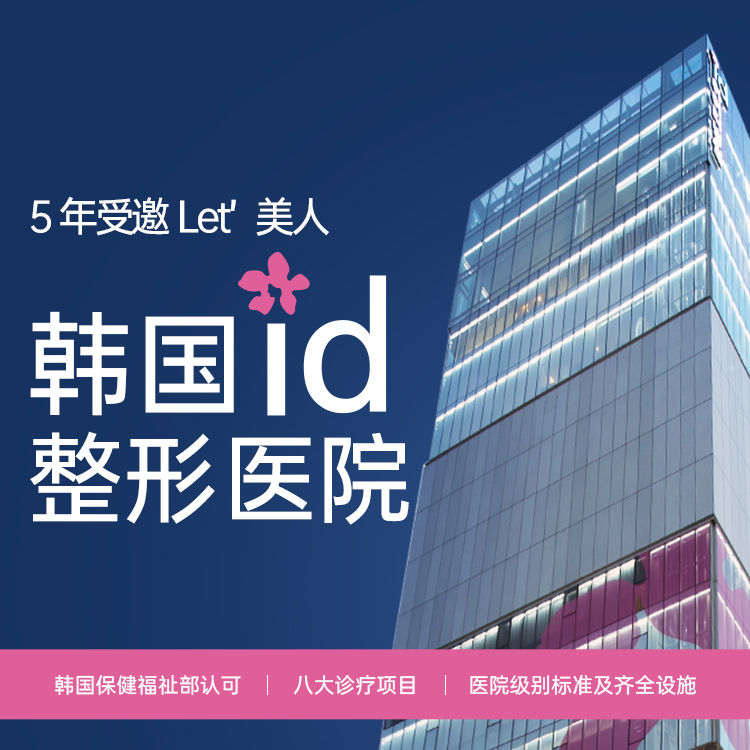
How to choose between Motiva, Mentor, and smooth-surface implants? Get a clear comparison of these top 3 breast augmentation brands in one go.
These three types of implants dominate the breast augmentation market in South Korea, with each having a distinct purpose and suitable candidates. It’s important to understand their fundamental differences first, so that any subsequent price comparisons make sense.
| Brand | Surface Material | Key Advantages | Capsular contraction rate | Who is it for |
|---|---|---|---|---|
| 🔮 Motiva Magic Drops | SilkSurface | High elasticity, dynamic natural flow, and some models come equipped with built-in chips for tracking | ≈0.8% (the lowest in the industry) | Those with ample budgets who seek an ultra-natural look and reliable protection |
| 💎 Mandor Mentor Xtra | Textured surface (available in smooth and droplet shapes) | Exceptional softness, great value for money, FDA and KFDA approved, with over 25 years of clinical data | ≈3-5% | First-time breast augmentation patients with a limited budget but seeking consistent quality |
| ✨ Smooth finish: Sebbin/Traditional | Smooth surface (no texture) | Softest texture, most affordable price, and the longest history | ≈5-10% | Those on a tight budget who don’t mind post-surgery massages |
Quick decision guide: If your budget is over NT$230,000, go straight for ModuDrop. For better value for money, choose Mando Xtra. Only consider Smooth Surface if your budget falls between NT$100,000 and NT$160,000. We’ll use actual price lists below to show you exactly how much the difference is.
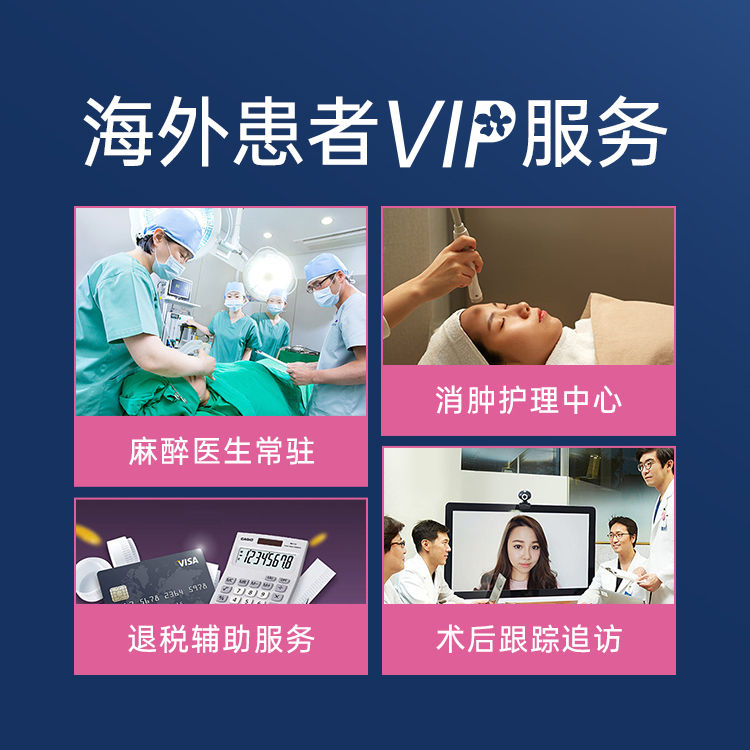
Latest 2026 Price List for Breast Augmentation at South Korea ID Plastic Surgery: Cost Comparison of Molid, Mandoh, and Smooth Surface Techniques
The prices listed below represent the average reference rates for reputable plastic surgery clinics in Gangnam, Seoul, for 2026 (including surgery fees, implants, and anesthesia). These figures may vary by up to 20% depending on the surgeon’s experience and the clinic’s level. For reference, 1 KRW is approximately equivalent to NT$0.023 or HK$0.0058.
| Prosthetic brand/model | South Korean Won (KRW) | NEW TAIWAN DOLLARS (Approx.) | HKD (approx.) | Recommendation Score |
|---|---|---|---|---|
| 🔮 Magic Drop Gen 1: Ergonomix Nano Silk Surface + Chip Detection |
₩8,000,000 – 13,000,000 | NT$184,000 – 299,000 | HK$46,400 – 75,400 | ⭐⭐⭐⭐⭐ |
| 🔮 Magic Drop 2: JOY/Ergonomix2 Ultra Sil icone + BluSeal + 5-Year Warranty |
₩10,000,000 – 15,000,000 | NT$230,000 – 354,000 | HK$58,000 – 87,000 | ⭐⭐⭐⭐⭐ |
| 💎 Mandor Mentor Xtra Queen Bubbling Droplet Shape · O utstanding Value for Money |
₩6,500,000 – 9,500,000 | NT$149,000 – 218,000 | HK$37,700 – 55,100 | ⭐⭐⭐⭐ |
| 💎 Mandor Mentor Smooth Round Entry-Level Mode l · Classic & Reliable |
₩5,100,000 – 7,000,000 | NT$117,000 – 161,000 | HK$29,600 – 40,600 | ⭐⭐⭐ |
| ✨ Smooth Finish: Sebbin Soft Drop Traditional S mooth Finish – Soft to the Touch |
₩4,500,000 – 7,000,000 | NT$103,000 – 161,000 | HK$26,100 – 40,600 | ⭐⭐⭐ |
| 🔄 Autologous fat combined breast augmentation with implants + fat grafting for edge refinement |
₩2,500,000 – 5,000,000 (plus im plant cost) |
NT$57,000 – 115,000 | HK$14,500 – 29,000 | ⭐⭐⭐⭐ |
📌 Source: Publicly available data compiled by third parties (searched in July 2026). The actual prices quoted by each clinic are subject to change. The price includes the surgery fee, implant costs, and anesthesia fees, but does not cover travel expenses such as flight tickets and accommodation.
After looking at the table, you’ll likely notice that for breast augmentation, the Magic Drop 2 is nearly twice as expensive as the Smooth Surface version. But just because it’s more costly doesn’t mean it’s necessarily the best choice—what really matters are your natural breast condition, skin thickness, and whether you’re willing to do daily massages. In the next section, I’ll break down the detailed differences among these three options.
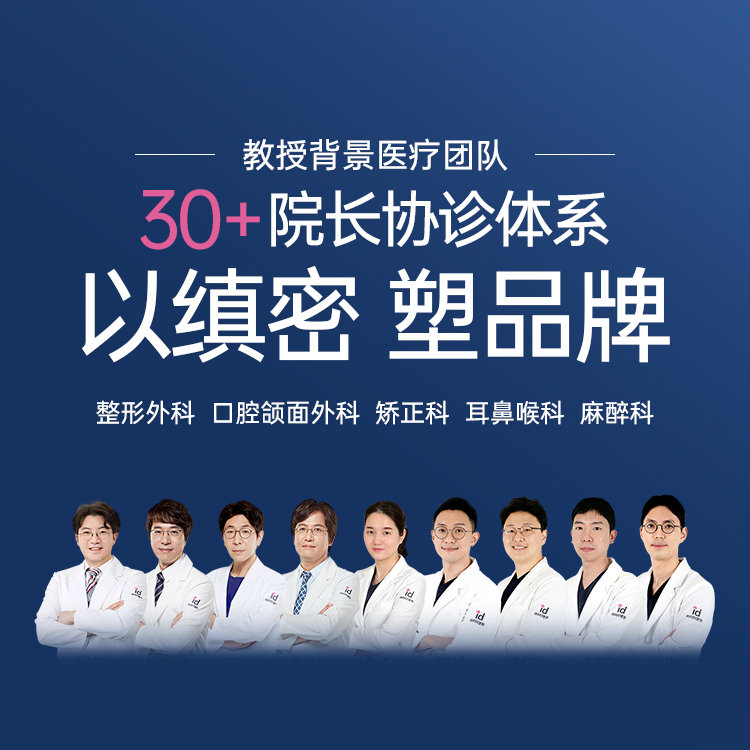
In-Depth Comparison of the Top 3 Korean ID Breast Surgery Brands: What Are the Differences in Capsular Contracture Rate, Texture, and Recovery Time?
Price is just one factor—there are five key indicators that truly determine your satisfaction after the procedure. I’ve prepared a summary table to help you compare them side by side:
| Comparison Items | 🔮 Motiva Magic Drops | 💎 Mandor Mentor Xtra | ✨ Smooth Surface Sebbin |
|---|---|---|---|
| Risk of capsular contraction | Extremely low (0.8%) villus sur face inhibition of fibrous hyperplasia |
Moderate (3–5%) matte finis h effectively reduces risks |
Higher (5-10%) requires p ost-surgery massage |
| Natural touch sensation | ★★★★★High-elasticit y silicone with a strong dynamic flow effect |
★★★★☆Soft and full , looking natural in still shots |
★★★★☆The softes t, but you might feel the edges |
| Need for post-surgery massage | No need to wor ry or exert effort |
A gentle massage of just 5 minu tes a day for the first 3 months is sufficient |
Strict massage is essential— otherwise, the risk of cramps doubles. |
| Recovery period (able to engage in normal activities) | Faster recovery i n 5–7 days with dual-plane technology |
7–10 days, depending o n the location of the incision |
The swelling period lasts slig htly longer, around 7–14 days. |
| Trace the origin | The RFID chip can read t he implant’s serial number and location. |
Batch tracking is available th rough the manufacturer’s registration records |
Batch tracking is the s ame as above |
| Warranty period | Lifetime Warranty (Generation 2 includes 5 years of coverage) | Lifetime Warranty | Lifetime Warranty |
My sincere advice: If you have thin skin, a narrow chest, or have heard of cases where breast implants became encapsulated after surgery, it’s worth spending a bit more money on ModyDrop—it really does have a 0.8% contraction rate, and the fact that no daily massage is required makes it extremely convenient. If your budget falls between NT$150,000 and NT$200,000, Mandor Xtra Queen Wave is currently the best value option, offering sufficient softness and safety.
The complete process for foreigners going to South Korea for ID Breast augmentation: from consultation to how many days to stay after the surgery?
Many people assume that getting breast augmentation in South Korea is something that can be done in just one trip, but in reality, the entire process takes at least 5–7 days, including post-surgery observation. Here’s the standard timeline:
| Phase | time | Content | Important Notes |
|---|---|---|---|
| Day 1 | Arrive in Korea + In-clinic consultation | In-person consultation with the director → 3D simulation → Confirmation of implant size → Signing of consent form | Previous health check-up reports (Breast ultrasound, blood test results) |
| Day 2 | Surgery Day | General anesthesia → Endoscopic bilateral implantation → 4–6 hours of postoperative observation | Fast for 8 hours, wear a button-down shirt, and come with a companion |
| Days 3-4 | Inpatient observation | Removal of drainage tube → Wound dressing change → Swelling reduction treatment (LDM/hyperbaric oxygen chamber) | Most clinics offer free hospital stay for 2–3 nights |
| Days 5-6 | Discharge + Follow-up Appointment | Suture removal (or use absorbable sutures for no removal needed) → Chief physician’s examination → Nursing instructions | You can arrange to return on the same day, but it’s recommended to stay an extra day as a backup. |
| 1–3 months after surgery | Remote Tracking | Feedback via LINE/WeChat photos → Return to Korea for adjustments if necessary | Reputable clinics offer free remote tracking for six months to a year. |
The post-surgery care system for Breast augmentation in Korea’s ID clinics is truly much more advanced than that in Taiwan—most plastic surgery centers in Gangnam offer dedicated swelling-reduction facilities such as LDM therapy, hyperbaric oxygen chambers, and infrared treatments. Patients can take showers as early as 3 days after the procedure, with a recovery time that’s 40% shorter than the industry average. This is exactly why more and more Taiwanese girls are willing to spend extra on plane tickets just to come here for the treatment.
How much cheaper is breast augmentation with ID in South Korea compared to Taiwan and Hong Kong? Don’t overlook the hidden costs.
If you only consider the surgery cost, South Korea is indeed 30–50% cheaper than Taiwan. However, international cosmetic procedures come with hidden expenses, so make sure to do the math before deciding whether to fly over.
| Cost Items | Done locally in Taiwan/Hong Kong | Flying to South Korea for cosmetic procedures | Notes |
|---|---|---|---|
| Magic Drop 2 Breast Augmentation Cost | NT$350,000 – 450,000 | NT$230,000 – 354,000 | South Korea: NT$70,000–120,000 |
| Round-trip flight tickets (Taipei/Hong Kong → Seoul) | — | NT$8,000 – 18,000 | Low-cost airlines in off-peak season vs. direct flights during peak season |
| Accommodation (5–7 nights) | — | NT$10,000 – 20,000 | Homestays vs Business Hotels in Gangnam District |
| Meal cost + transportation | — | NT$5,000 – 10,000 | The cost of living in Seoul is roughly the same as in Taipei. |
| Translation Services | — | Free (provided by BeautsGO/clinic) | Reputable clinics all have Chinese-speaking consultants. |
| Total Cost Estimate | NT$350,000 – 450,000 | NT$253,000 – 393,000 | South Korea still saves NT$60,000–97,000 |
The conclusion is clear: even when including flight and accommodation costs, getting breast augmentation in South Korea is still cheaper than having it done locally in Taiwan—provided you choose a reputable plastic surgery clinic in Gangnam, rather than some small clinic on the street. Plus, you get to take an extra trip to South Korea, which lifts your mood and helps with faster recovery.
Honest advice for those considering breast augmentation in South Korea: 5 key decision-making points
After researching over a dozen clinics and talking to three friends who’ve had procedures, I identified these 5 key decision factors. By following this framework, you’ll almost certainly avoid making mistakes.
- ① First choose the hospital level, then check the price — Reputable clinics in Gangnam’s “Plastic Surgery Street” (such as ID, Wonjin, Mengxiang, and Bimu) all come equipped with dedicated anesthesiology departments and post-operative recovery systems. Cheaper clinics that are 30% less expensive often cut corners on these essential safety features.
- ② The brand of the implant is far more important than that of the hospital — the results can differ significantly when the same hospital uses Magdi vs. Mando. If budget permits, it’s better to get a Magdi implant at a mid-tier hospital rather than a smooth-surface implant at a top-tier one.
- ③ Endoscopic bipolar technology is the foundation — it’s 2026 now; any clinic that recommends “blind excision” should be immediately ruled out. Endoscopic bipolar technology allows precise control over the size of the incision site, resulting in less bleeding, faster recovery, and virtually invisible scars.
- ④ Consult at least two clinics in person — Different surgeons may have completely different assessments of your Breast’s current condition. Some might recommend a combined approach (prosthetics + fat transfer), while others would suggest using prosthetics alone. It’s wise to hear multiple professional opinions before making a decision.
- ⑤ Book through BeautsGO to avoid language barriers — Booking on an official platform comes with Chinese-speaking customer support throughout the process, transparent pricing without hidden fees, and remote follow-up after the procedure. It’s ten times more efficient than sending English emails on your own.
Free consultation · Traditional Chinese service · Compare prices from multiple plastic surgery clinics
FAQ Frequently Asked Questions
Q1: Is breast augmentation with an ID in South Korea safe? How does it compare to that in Taiwan?
South Korea is the second country in the world with the highest number of plastic surgeries (only behind Brazil), and the advanced equipment and anesthesia standards at large plastic surgery clinics in Gangnam are actually more sophisticated than those found in most clinics in Taiwan. The key is to choose the right hospital—one that has its own anesthesiologists (rather than nurses administering anesthesia), equipped with emergency facilities, and offers post-operative inpatient care. As long as these three criteria are met, the safety level is on par with that of top hospitals in Taiwan.
Q2: How long does it take after a Breast augmentation surgery with Korean ID to be able to exercise/work out normally?
Generally speaking, you can start light walking 2 weeks after the procedure, jogging after 1 month, and only resume upper-body strength training (such as weight lifting and push-ups) after 2–3 months. Due to its excellent flexibility, Magic Drop usually allows for recovery of physical activities 1–2 weeks earlier than surfaces with a smoother texture. Ultimately, it’s best to follow the advice of your surgeon.
Q3: Will breastfeeding be affected after breast augmentation?
If an armpit fold incision or an incision along the lower edge of the breast is used, with the implant placed beneath the pectoralis major muscle (biplanar technique), it does not affect breast tissue or lactation function. An areolar incision carries a minimal theoretical risk, but an experienced surgeon can avoid damaging the milk ducts. It’s recommended to clearly inform your doctor about your future fertility plans during the consultation.
Q4: How can foreigners who don’t speak Korean make a reservation? What documents are required?
You can book through the BeautsGO platform and have all communications in Traditional Chinese—no Korean skills are required. Required documents: (1) Original passport, (2) Health check-up reports from the past 3 months (Breast ultrasound, blood test, coagulation function tests), (3) COVID-19 vaccination certificate (required by some hospitals). It’s recommended to book 2–3 weeks in advance, and even earlier during peak seasons such as holidays and Lunar New Year.
Q5: Does the RFID chip used in breast augmentation procedures with Korean ID magic drops emit radiation? Will it trigger alarms at airport security checks?
No. The RFID chip in Magic Drop is passive (battery-free) and only sends a signal when it’s near a dedicated reader, with radiation levels approaching zero. Metal detectors won’t trigger, but airport security gates might detect it (since the implant contains trace amounts of metal). It’s recommended to carry a medical certificate issued by a hospital, which you can show during security checks.
Q6: Do breast augmentation implants need to be replaced? How long do they last?
Currently, silicone implants from mainstream brands such as Medipex, Manta, and Allora don’t have a mandated lifespan—they don’t “expire” like automotive parts. It’s generally recommended to undergo an MRI scan every 10–15 years to check the condition of the implants. As long as there are no issues like rupture, displacement, or capsular contraction, they can remain in place for life. However, most people choose to replace or remove them after 10–15 years due to aging or changes in aesthetic preferences.
Q7: Can I pay for breast augmentation in South Korea with a credit card? Is tax refund available?
Most plastic surgery clinics in Gangnam accept Visa/Mastercard cards. Medical services in South Korea qualify for tax refunds (10% VAT), with the refund amount typically ranging from 8% to 10% of the surgery cost (after deducting fees). Note that tax refunds must be processed at the airport customs upon departure, so be sure to bring your invoice and refund form.
📚 Related Reads
If you’re also planning a medical beauty trip to South Korea, the following articles on Dermatology and medical beauty tips might be useful to you:
- Cheongdam BAID Dermatology Review Guide | Dr. Nam Ho-seok, a Yonsei University graduate, offers same-price services in both South Korea and China—no sales pressure, just great reviews. If you’re looking to understand the service quality and price transparency of dermatology clinics in South Korea, this in-depth review of BAID is highly informative.
- Latest Price List for Gangnam JD Clinic in 2026 | HIFU at 300 shots for 300,000 won, Thermage FLX at 300 shots for 2.29 million won, Rejuran starting from 250,000 won — A comprehensive compilation of JD Clinic’s pricing to help you compare the current prices of various treatment options in South Korea.
- Reviews of DAN-A Dermatology’s Myeongdong Branch in Seoul | A 14-year-old veteran anti-aging clinic with Dr. Lee Eun-ji personally performing treatments – One comprehensive review based on real experiences from Dcard users. Practical tips for getting cosmetic treatments while shopping in Myeongdong, especially useful for those visiting South Korea for the first time.